

What is the discharge rate of a forklift lithium battery?
May 26, 2025
The discharge rate of a forklift lithium battery is a crucial parameter that significantly influences the performance, efficiency, and lifespan of the battery within the context of forklift operations. As a leading supplier of Forklift Lithium Batteries, understanding and communicating this concept to our customers is of utmost importance.
Understanding Discharge Rate
The discharge rate of a battery refers to the speed at which the battery releases its stored energy. It is typically expressed in terms of C - rate. The C - rate is a measure that compares the current drawn from the battery to its rated current. For example, a 1C discharge rate means that the battery is being discharged at a current equal to its rated capacity in one hour. If a forklift lithium battery has a rated capacity of 100Ah, a 1C discharge rate would imply a discharge current of 100A, and the battery would theoretically be fully discharged in one hour under this rate.
A higher C - rate indicates a faster discharge. For instance, a 2C discharge rate for the same 100Ah battery would mean a discharge current of 200A, and the battery would be discharged in half an hour if maintained at this rate. On the other hand, a 0.5C discharge rate would result in a 50A discharge current, and the battery would take two hours to fully discharge.
Importance of Discharge Rate in Forklift Operations
Performance
In forklift operations, the discharge rate directly affects the power output of the forklift. Forklifts often require a high amount of power during lifting heavy loads, accelerating, or climbing slopes. A lithium battery with a high discharge rate can supply the necessary current to the forklift's motor quickly, enabling smooth and efficient operation. For example, when a forklift needs to lift a heavy pallet of goods, a battery with a high C - rate can deliver a large current to the motor, providing the required torque to lift the load promptly.
Efficiency
The discharge rate also impacts the overall efficiency of the forklift. When a battery is discharged at an appropriate C - rate, it can convert its stored energy into useful work more efficiently. If the discharge rate is too high, the battery may experience increased internal resistance, leading to energy losses in the form of heat. This not only reduces the efficiency of the battery but also shortens its lifespan. Conversely, if the discharge rate is too low, the forklift may not be able to perform at its optimal level, resulting in slower operation and reduced productivity.
Battery Lifespan
Proper management of the discharge rate is essential for extending the lifespan of the forklift lithium battery. High - rate discharges can cause stress on the battery's internal components, such as the electrodes and electrolyte. Over time, this stress can lead to degradation of the battery materials, reducing its capacity and overall performance. By operating the forklift within the recommended discharge rate range, we can minimize this degradation and ensure that the battery lasts longer.
Factors Affecting the Discharge Rate of Forklift Lithium Batteries
Battery Chemistry
Different lithium - ion battery chemistries have varying capabilities when it comes to discharge rates. For example, lithium iron phosphate (LiFePO4) batteries are known for their relatively high discharge rates and good thermal stability. They can handle high - current discharges without significant degradation, making them a popular choice for forklift applications. In contrast, some other lithium - ion chemistries may have lower discharge rate capabilities and may be more suitable for applications with lower power requirements.
Battery Design
The design of the battery, including the size and number of cells, the type of electrodes, and the internal structure, also affects the discharge rate. Batteries with larger electrode surface areas and better internal conductivity can generally support higher discharge rates. Additionally, the way the cells are connected in the battery pack (series or parallel) can influence the overall discharge characteristics.
Temperature
Temperature has a significant impact on the discharge rate of lithium batteries. At low temperatures, the internal resistance of the battery increases, which limits the battery's ability to deliver high currents. As a result, the discharge rate may be reduced, and the forklift may experience a decrease in performance. On the other hand, high temperatures can accelerate the chemical reactions inside the battery, but excessive heat can also cause damage to the battery materials. Therefore, maintaining an appropriate operating temperature is crucial for optimizing the discharge rate.
Selecting the Right Discharge Rate for Forklift Applications
When choosing a forklift lithium battery, it is essential to consider the specific requirements of the forklift and its intended applications. Forklifts used in high - throughput warehouses or industrial environments where rapid lifting and movement are required may need batteries with higher discharge rates. For example, a forklift that operates in a busy distribution center, constantly moving heavy pallets, would benefit from a battery with a high C - rate to ensure quick and efficient operation.

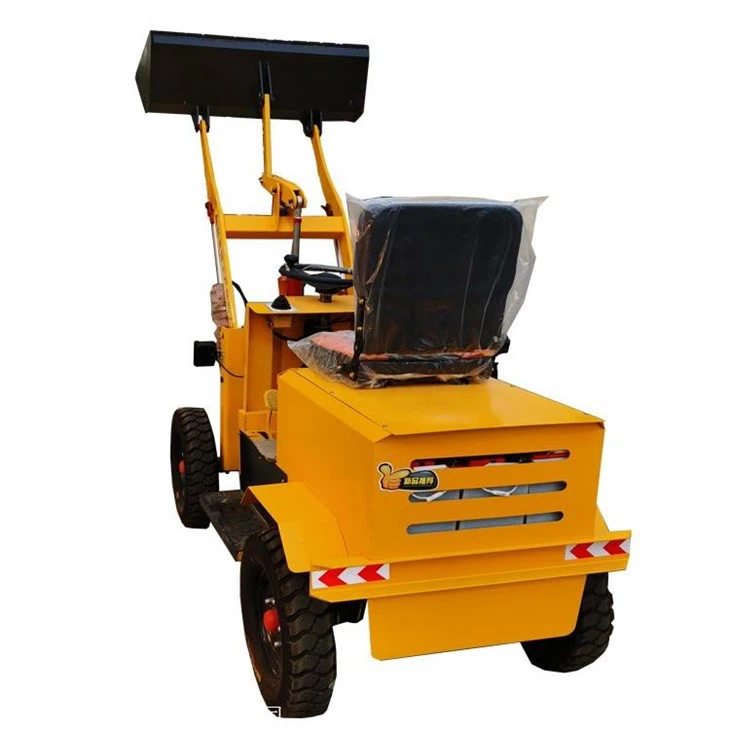
On the other hand, forklifts used in less demanding applications, such as light - duty material handling in a small workshop, may not require such high discharge rates. In these cases, a battery with a lower C - rate may be sufficient, and it can also be more cost - effective.
As a supplier of Forklift Lithium Batteries, we work closely with our customers to understand their specific needs and recommend the most suitable batteries based on factors such as the forklift's load capacity, operating cycle, and environmental conditions. We offer a range of batteries with different discharge rates to meet the diverse requirements of our customers.
Our Other Battery Products
In addition to Forklift Lithium Batteries, we also provide a variety of other high - quality lithium batteries for different applications. Our Agricultural Vehicle Lithium Battery is designed to meet the power needs of agricultural vehicles, offering reliable performance in harsh outdoor environments. The Electric Two Wheeler Battery is optimized for electric two - wheelers, providing long - lasting power and quick charging capabilities. And our Automated Guided Vehicle Battery is tailored to the specific requirements of automated guided vehicles, ensuring seamless operation in industrial settings.
Contact Us for Purchase and Negotiation
If you are interested in our Forklift Lithium Batteries or any of our other battery products, we invite you to contact us for purchase and negotiation. Our team of experts is ready to assist you in selecting the right battery for your specific needs, providing detailed technical information, and offering competitive pricing. We are committed to delivering high - quality products and excellent customer service to help you achieve optimal performance and efficiency in your operations.
References
- Linden, D., & Reddy, T. B. (2002). Handbook of Batteries. McGraw - Hill.
- Goodenough, J. B., & Kim, Y. (2010). Challenges for rechargeable Li batteries. Chemistry of Materials, 22(3), 587 - 603.
- Arora, P., & Zhang, Z. (2004). Battery separators. Chemical Reviews, 104(10), 4419 - 4462.