

What is the difference between high - capacity and low - capacity portable battery packs?
May 28, 2025
Hey there! As a supplier of portable battery packs, I've seen all sorts of them – high - capacity and low - capacity ones. And let me tell you, there are some pretty significant differences between the two. In this blog, I'm gonna break down these differences so you can make a better - informed decision when it comes to choosing the right portable battery pack for your needs.
Capacity: The Obvious Difference
The most apparent difference between high - capacity and low - capacity portable battery packs is, well, the capacity. Capacity is usually measured in milliampere - hours (mAh). A high - capacity battery pack can store a large amount of electrical energy, often ranging from 20,000 mAh to even 50,000 mAh or more. On the other hand, low - capacity battery packs typically have a capacity of less than 10,000 mAh.
What does this mean for you? If you're someone who's always on the go, traveling long distances, or using power - hungry devices like tablets and laptops, a high - capacity battery pack is your best bet. For example, if you have a smartphone with a 3000 mAh battery, a 20,000 mAh high - capacity battery pack can charge your phone multiple times. You can charge it up in the morning, and it'll keep your phone going throughout the day and maybe even the next.
However, if you only need to charge a small device like a Bluetooth earbud or a smartwatch occasionally, a low - capacity battery pack will do the job just fine. It's more compact and lightweight, making it easy to carry around in your pocket.
Size and Weight
Size and weight go hand in hand with capacity. High - capacity battery packs are generally larger and heavier because they need more space to house the larger battery cells required to store all that energy. If you're not too bothered about carrying a bit of extra weight, then this might not be an issue for you. But if you're always on the move and need to keep your load light, a high - capacity battery pack can be a bit of a burden.
Low - capacity battery packs, on the other hand, are much smaller and lighter. They're super convenient to carry around, whether you're going for a quick jog or running errands around town. You won't even notice they're in your bag.
Charging Time
Another crucial difference is the charging time. High - capacity battery packs take longer to charge because they have more energy to store. It can take anywhere from 6 to 10 hours or even more to fully charge a high - capacity battery pack, depending on the charger you're using.
Low - capacity battery packs, however, charge much faster. You can fully charge a low - capacity battery pack in just 1 - 2 hours. This means you can quickly top it up when you have a short break and be ready to go.
Cost
Cost is always a factor when making a purchase. High - capacity battery packs are generally more expensive than low - capacity ones. This is because they use more advanced battery technology and have a larger capacity. If you're on a tight budget, a low - capacity battery pack might be the more affordable option for you.
But keep in mind that if you need a battery pack that can charge multiple devices or provide power for a long time, spending a bit more on a high - capacity battery pack can be a worthwhile investment.
Use Cases
The use cases for high - capacity and low - capacity battery packs are quite different.
High - Capacity Battery Packs
- Travel: When you're traveling, especially internationally, you might not always have access to a power outlet. A high - capacity battery pack can keep your phone, tablet, and other devices charged throughout your journey.
- Outdoor Activities: Whether you're camping, hiking, or fishing, a high - capacity battery pack can be a lifesaver. You can use it to charge your GPS device, headlamp, or even a small portable fridge.
- Business Trips: If you're on a business trip, you need to keep your laptop and phone charged for important meetings and work. A high - capacity battery pack ensures that you're always connected.
Low - Capacity Battery Packs
- Daily Commute: For your daily commute to work or school, a low - capacity battery pack can keep your phone charged in case you need to make an emergency call or check your messages.
- Short Outings: When you're going out for a few hours, like going to the gym or running errands, a low - capacity battery pack is all you need to keep your small devices running.
Compatibility with Different Devices
High - capacity battery packs are usually more versatile when it comes to compatibility. They often come with multiple output ports, including USB - A, USB - C, and sometimes even wireless charging pads. This means you can charge a wide range of devices, from smartphones and tablets to laptops and smartwatches.
Low - capacity battery packs may have limited output options. They usually have one or two USB - A ports, which are mainly suitable for charging smartphones and other small devices.
Durability and Lifespan
High - capacity battery packs are built to last. They often use high - quality battery cells and have better heat dissipation mechanisms, which helps to extend their lifespan. They can withstand more charge - discharge cycles compared to low - capacity battery packs.

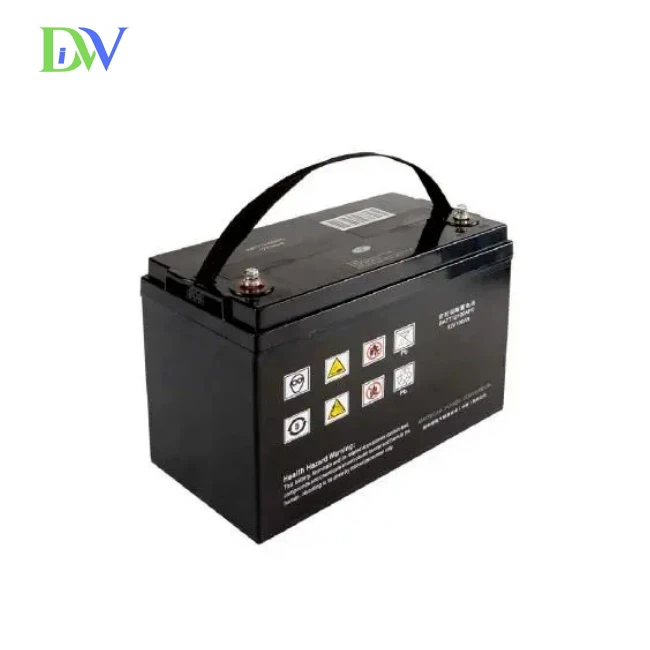
Low - capacity battery packs may not be as durable. Since they're usually cheaper, the quality of the components used might not be as high. However, if you use them sparingly, they can still serve you well for a reasonable amount of time.
Specialized Applications
There are also some specialized applications where high - capacity and low - capacity battery packs are used. For high - capacity battery packs, they are often used in Truck Starter Battery systems. Trucks need a large amount of power to start their engines, and high - capacity battery packs can provide the necessary energy.
Low - capacity battery packs are commonly used in Solar Street Light Lithium Battery systems. These lights don't require a large amount of power, so a low - capacity battery pack can store enough energy to keep the lights on at night.
Another important application is Emergency Backup Power. High - capacity battery packs can be used as a backup power source for essential appliances during a power outage. They can keep your fridge running, charge your phone, and power other important devices for a longer period. Low - capacity battery packs can also be used for emergency situations, but they'll only be able to power small devices for a short time.
Making the Right Choice
So, how do you choose between a high - capacity and a low - capacity portable battery pack? It all boils down to your specific needs. If you need to charge multiple devices, have long periods without access to a power outlet, or use power - hungry devices, a high - capacity battery pack is the way to go. But if you only need to charge small devices occasionally and want something lightweight and easy to carry, a low - capacity battery pack will suffice.
As a supplier of portable battery packs, I've got a wide range of options to meet your needs. Whether you're looking for a high - capacity battery pack for your next adventure or a low - capacity one for your daily use, I can help you find the perfect fit. If you're interested in purchasing portable battery packs or have any questions, feel free to reach out to me. We can have a chat and figure out the best solution for you.
References
- Battery University: A comprehensive resource for battery knowledge and technology.
- Consumer Reports: Provides unbiased reviews and ratings of various battery products.