

What is the cycle life of an ups reserve battery pack?
Oct 22, 2025
The cycle life of an Uninterruptible Power Supply (UPS) reserve battery pack is a crucial factor that directly impacts its performance, cost - effectiveness, and suitability for various applications. As a supplier of UPS reserve battery packs, I have in - depth knowledge of this topic and am eager to share it with you.
Understanding Cycle Life
The cycle life of a UPS reserve battery pack refers to the number of charge - discharge cycles the battery can undergo before its capacity drops to a predefined level, typically 80% of its original rated capacity. A charge - discharge cycle is defined as the process of fully charging the battery and then discharging it to a specified depth.
For example, if a battery has a cycle life of 500 cycles, it means that after 500 complete charge - discharge cycles, its capacity will have decreased to 80% of what it was when it was new. Once the battery's capacity falls below this threshold, its ability to provide the required backup power may be significantly impaired, and it may need to be replaced.
Factors Affecting Cycle Life
1. Battery Chemistry
Different battery chemistries have distinct cycle life characteristics. Lead - acid batteries, which have been a traditional choice for UPS systems, generally have a lower cycle life compared to lithium - ion batteries.
Lead - acid batteries typically offer a cycle life in the range of 300 - 500 cycles under normal operating conditions. Their performance degrades over time due to factors such as sulfation, which occurs when lead sulfate crystals form on the battery plates during discharge and do not fully dissolve during charging.
On the other hand, lithium - ion batteries offer a much longer cycle life. Lithium - ion chemistries can achieve cycle lives of 1000 - 5000 cycles or even more, depending on the specific type. For instance, lithium iron phosphate (LiFePO4) batteries, a popular choice for UPS applications, can have a cycle life of up to 2000 - 5000 cycles. Their superior cycle life is due to their more stable chemical structure and lower self - discharge rate. You can learn more about high - performance lithium - ion batteries such as RV Lithium Battery on our website.
2. Depth of Discharge (DoD)
The depth of discharge is another critical factor influencing the cycle life of a UPS reserve battery pack. Depth of discharge refers to the percentage of the battery's capacity that is discharged during a single cycle.
Batteries generally have a longer cycle life when they are discharged to a lower depth. For example, a lead - acid battery may have a cycle life of 500 cycles when discharged to 80% DoD, but if the DoD is limited to 50%, the cycle life can increase to over 1000 cycles.
Lithium - ion batteries also benefit from a lower DoD. By keeping the DoD at around 20% - 30%, the cycle life of lithium - ion batteries can be extended significantly. This is because a lower DoD reduces the stress on the battery's internal components, such as electrodes and electrolytes.
3. Temperature
Temperature has a significant impact on the cycle life of UPS reserve battery packs. High temperatures accelerate chemical reactions within the battery, which can lead to faster degradation of the battery's components.
For lead - acid batteries, operating at high temperatures can cause the electrolyte to evaporate more quickly, leading to dry - out and reduced capacity. At temperatures above 25°C (77°F), the cycle life of lead - acid batteries can be reduced by approximately 50% for every 10°C (18°F) increase.
Lithium - ion batteries are also affected by temperature. While they are more tolerant of temperature variations compared to lead - acid batteries, extreme high or low temperatures can still reduce their cycle life. High temperatures can cause the battery to age faster, while low temperatures can reduce the battery's performance and capacity. It is recommended to operate UPS battery packs in a temperature - controlled environment to optimize their cycle life.
4. Charging and Discharging Rates
The rate at which a battery is charged and discharged can also affect its cycle life. Fast charging and discharging, also known as high - rate charging and discharging, can generate more heat and put additional stress on the battery's internal components.
For lead - acid batteries, high - rate charging can cause overheating and damage to the battery plates. Slow charging is generally recommended to ensure a longer cycle life.
Lithium - ion batteries are more capable of handling high - rate charging and discharging, but excessive high - rate operation can still reduce their cycle life. It is important to use a charger that is compatible with the battery's specifications and to avoid over - charging or over - discharging the battery.
Importance of Cycle Life in UPS Applications
1. Cost - Effectiveness
A longer cycle life means that the battery pack will need to be replaced less frequently. This reduces the overall cost of ownership of the UPS system. Although lithium - ion batteries may have a higher upfront cost compared to lead - acid batteries, their longer cycle life can result in lower long - term costs.
For example, if a lead - acid battery needs to be replaced every 2 - 3 years due to its limited cycle life, while a lithium - ion battery can last 5 - 10 years, the total cost of purchasing and installing multiple lead - acid batteries over a 10 - year period may be higher than that of a single lithium - ion battery.
2. Reliability
In critical applications such as data centers, hospitals, and telecommunications facilities, reliability is of utmost importance. A UPS reserve battery pack with a long cycle life is more likely to provide consistent backup power over an extended period.
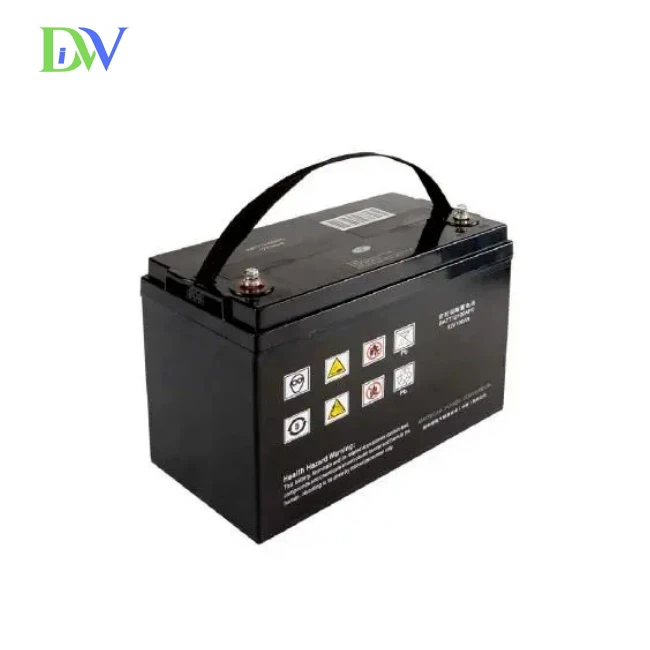
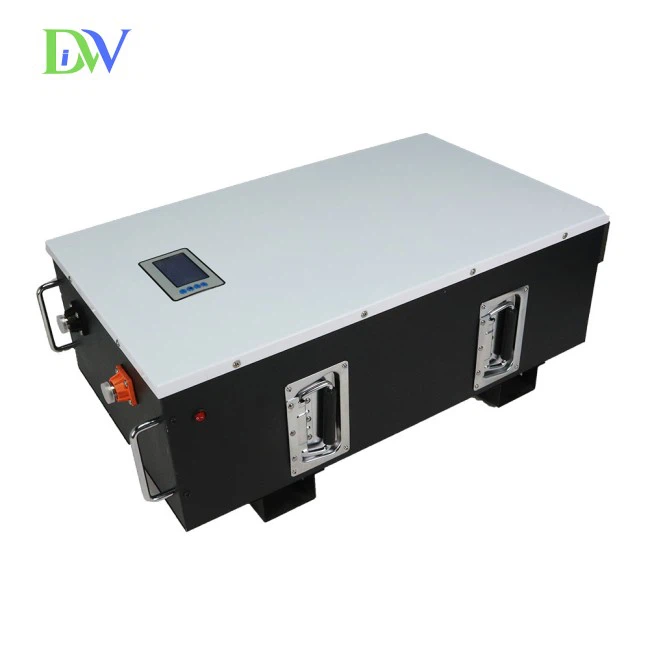
A battery with a short cycle life may fail prematurely, leaving the connected equipment vulnerable to power outages. By choosing a battery pack with a long cycle life, users can ensure that their UPS systems will continue to function effectively when needed.
3. Environmental Impact
Longer - lasting battery packs also have a positive environmental impact. Fewer battery replacements mean less waste generation. Lithium - ion batteries, with their longer cycle life, are a more environmentally friendly option compared to lead - acid batteries, which contain toxic lead and sulfuric acid.
Choosing the Right UPS Reserve Battery Pack Based on Cycle Life
When selecting a UPS reserve battery pack, it is essential to consider the specific requirements of the application. For applications where cost is a major concern and the backup time is relatively short, lead - acid batteries may still be a viable option. However, for applications that require high reliability, long - term performance, and a lower environmental impact, lithium - ion batteries are a better choice.
Our company offers a wide range of UPS reserve battery packs, including Powerwall Home Battery and Emergency Backup Power solutions. We can help you choose the battery pack that best suits your needs based on factors such as cycle life, depth of discharge, temperature requirements, and budget.
Conclusion
The cycle life of a UPS reserve battery pack is a complex but crucial aspect to consider when selecting a battery for your UPS system. By understanding the factors that affect cycle life, such as battery chemistry, depth of discharge, temperature, and charging/discharging rates, you can make an informed decision that will ensure the long - term performance and cost - effectiveness of your UPS system.
If you are interested in learning more about our UPS reserve battery packs or have any questions regarding cycle life and battery selection, please feel free to contact us. Our team of experts is ready to assist you in choosing the right battery solution for your specific needs and to guide you through the procurement process.
References
- Linden, D., & Reddy, T. B. (2002). Handbook of Batteries. McGraw - Hill.
- Tarascon, J. M., & Armand, M. (2001). Issues and challenges facing rechargeable lithium batteries. Nature, 414(6861), 359 - 367.
- Kordesch, K. V., & Simader, G. (1996). Fuel Cells and Their Applications. VCH Publishers.