

What is the capacity of a typical camping lithium battery?
Dec 30, 2025
Hey there, fellow camping enthusiasts and energy-savvy folks! I'm the guy behind a camping lithium battery supply business, and today I wanna chat about a super important topic: What's the capacity of a typical camping lithium battery?
Understanding Battery Capacity
First off, let's get clear on what battery capacity means. It's basically a measure of how much energy a battery can store. In the world of camping lithium batteries, we usually talk about capacity in ampere - hours (Ah) or watt - hours (Wh). Ampere - hours give you an idea of the current a battery can supply over an hour, while watt - hours take the voltage into account and provide a more comprehensive measurement of energy.

Let's say you've got a 10Ah battery at 12 volts. To convert it to watt - hours, you use the formula Wh = Ah × V. So, in this case, 10Ah × 12V = 120Wh. This tells you that the battery can deliver 120 watts of power for an hour, 60 watts for 2 hours, and so on. It's a handy way to figure out how long your battery can run different devices.
Typical Capacity Ranges for Camping Lithium Batteries
Now, what are the typical capacity values we see in camping lithium batteries? Well, it can vary quite a bit depending on the size, design, and intended use of the battery.
Smaller, Portable Options
For those of you who like to travel light and only need to power small devices like smartphones, tablets, or small LED lights, you'll find camping lithium batteries with capacities ranging from around 10,000mAh to 30,000mAh. When you convert this to watt - hours (assuming a voltage of around 3.7V for a lithium - ion battery), a 10,000mAh battery is about 37Wh (10Ah × 3.7V), and a 30,000mAh battery is around 111Wh. These batteries are great for a weekend camping trip where you just need to keep your essential gadgets charged.
Medium - Sized Batteries
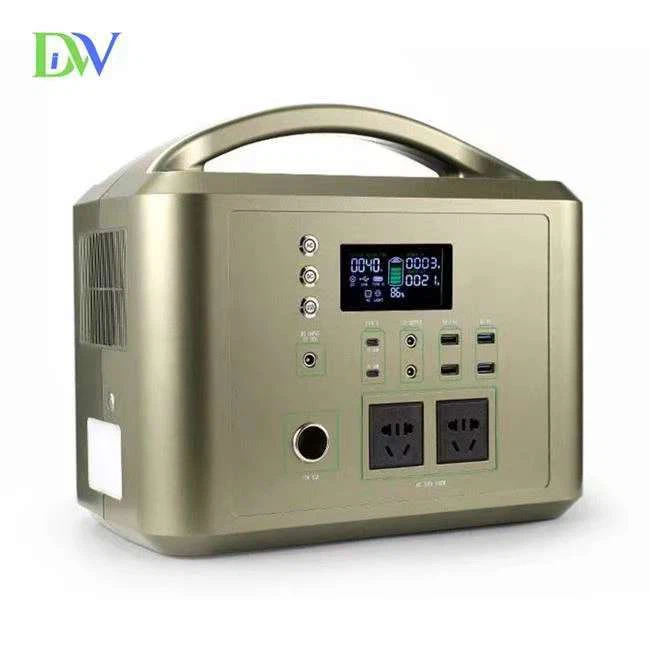
If you're planning a longer camping trip and want to power a few more devices, like a small fridge, a portable fan, or some larger LED lamps, you might look at batteries with capacities between 100Wh and 500Wh. These medium - sized batteries can handle more power - hungry devices and provide multiple charges for your electronics. They're also a good choice for those who use solar panels to recharge their batteries during the day. Solar PV Energy Storage System can be paired with these medium - sized batteries to keep them topped up and ensure you have power throughout your trip.
Larger, Heavy - Duty Batteries
For serious campers or those who use a lot of high - powered equipment, such as power tools, large fridges, or even a CPAP machine for sleeping, larger lithium batteries with capacities of 500Wh or more are the way to go. Some of these heavy - duty batteries can have capacities up to 2000Wh or even higher. They're like the powerhouses of the camping world, but they're also a bit bulkier and heavier.
Factors Affecting Battery Capacity
There are several factors that can affect the actual usable capacity of a camping lithium battery.
Temperature
Lithium batteries are sensitive to temperature. In cold weather, the chemical reactions inside the battery slow down, which can reduce its capacity. On the other hand, extremely hot temperatures can also damage the battery and decrease its performance over time. So, it's important to keep your battery at a reasonable temperature, especially if you're camping in extreme climates.
Depth of Discharge
The depth of discharge (DoD) refers to how much of the battery's capacity you use before recharging it. For lithium batteries, it's generally recommended to keep the DoD below 80% to prolong the battery's life. If you regularly discharge the battery all the way to 0%, it will degrade faster and lose its capacity over time.
Charge and Discharge Rates
The rate at which you charge and discharge the battery can also affect its capacity. Fast - charging or discharging can generate heat, which is not good for the battery. It's best to use a charger that is designed for your specific battery and to avoid overloading the battery with high - power devices.
Choosing the Right Capacity for Your Camping Needs
So, how do you decide which battery capacity is right for you? Here are some things to consider.
Your Devices
Make a list of all the devices you plan to use while camping and note down their power requirements in watts. Then, estimate how long you'll be using each device per day. Multiply the power requirements by the usage time to get the total energy consumption per day for each device. Add up these values to get an idea of how much energy you'll need.
For example, if you have a smartphone that consumes 5 watts and you use it for 3 hours a day, that's 15Wh per day. If you also have a small LED light that uses 2 watts and you use it for 5 hours a day, that's another 10Wh. In total, you need at least 25Wh per day just for these two devices.
The Length of Your Trip
The longer your camping trip, the more energy you'll need. If you're going for a weekend, a smaller battery might be sufficient. But for a week - long or longer trip, you'll probably need a larger battery or a way to recharge it on the go, like a Solar PV Energy Storage System.
Redundancy
It's always a good idea to have some extra capacity in case of emergencies. Maybe your solar panels don't get enough sunlight one day, or you end up using more power than you expected. Having a bit of extra capacity can give you peace of mind.
Our Camping Lithium Batteries
As a camping lithium battery supplier, we offer a wide range of batteries with different capacities to meet your needs. Whether you're a casual camper or a seasoned pro, we've got you covered.
Our smaller batteries are lightweight and easy to carry, perfect for short trips and small - scale power needs. Our medium - sized batteries are versatile and can handle a variety of devices, while our heavy - duty batteries are built to last and provide plenty of power for extended camping adventures.
In addition to camping, our lithium batteries can also be used for other applications. For example, they can be used as Emergency Light Battery Pack in case of a power outage at home or as a Portable Car Power Bank to jump - start your car or charge your devices on the road.
Wrapping Up and Reaching Out
So, there you have it, a breakdown of the capacity of typical camping lithium batteries. By understanding your power needs and choosing the right battery capacity, you can ensure that you have enough energy to make your camping trips comfortable and enjoyable.
If you're interested in learning more about our camping lithium batteries or have any questions about battery capacity, usage, or compatibility, don't hesitate to reach out. We're here to help you make the right choice for your next camping adventure. Feel free to contact us to start a conversation about your specific requirements and how our products can meet them.
References
- Battery University: A comprehensive resource for battery knowledge and technology.
- Camping and Outdoor Equipment Guides: Various industry - recommended guides that provide information on battery use in camping scenarios.