

What are the weight limits for taking a portable power pack on a plane?
Oct 09, 2025
Hey there! As a supplier of portable power packs, I often get asked about the weight limits for taking these nifty gadgets on a plane. It's a crucial question, especially for those always on the go and relying on their power packs to keep their devices charged. So, let's dive right into it and clear up all the confusion.
First off, the rules regarding portable power packs on planes are mainly set by aviation safety authorities to ensure the safety of all passengers and crew. These rules aren't just made up out of the blue; they're based on scientific research and past incidents. Portable power packs usually contain lithium - ion or lithium - polymer batteries, which can be a fire hazard if not handled properly.
The most important factor when it comes to taking a portable power pack on a plane is not just the weight but also the watt - hour (Wh) rating. However, weight does play a role as well. In general, most airlines follow the guidelines set by the International Civil Aviation Organization (ICAO) and the International Air Transport Association (IATA).
For carry - on luggage, the typical limit for the watt - hour rating of a portable power pack is 100Wh. This limit is in place because batteries with a lower watt - hour rating are considered to have a lower risk of thermal runaway, which is a dangerous situation where the battery overheats and can potentially catch fire or explode. Now, when it comes to weight, a 100Wh power pack can vary in weight depending on its design and the type of cells used. A rough estimate is that a 100Wh power pack might weigh around 1 - 2 kilograms. But this can change based on the battery chemistry and the additional features of the power pack.
If you have a power pack with a watt - hour rating between 100Wh and 160Wh, you can usually take it on the plane in your carry - on, but you'll need to get prior approval from the airline. These higher - wattage power packs are a bit riskier, so airlines want to make sure they can manage the potential safety issues. As for the weight, a 160Wh power pack could weigh anywhere from 2 - 3 kilograms.
Power packs with a watt - hour rating above 160Wh are generally not allowed on passenger planes, either in carry - on or checked luggage. The risk associated with these high - capacity batteries is just too great. And of course, as the watt - hour rating goes up, so does the weight. A power pack above 160Wh could easily weigh 3 kilograms or more.
It's important to note that these are general guidelines, and different airlines may have their own specific rules. Some airlines might be a bit more lenient, while others might be stricter. So, before you head to the airport, it's always a good idea to check with your airline about their exact policies regarding portable power packs.
Now, let's talk about why these weight and watt - hour limits matter. From a safety perspective, lithium - ion batteries can be unstable under certain conditions. If a battery is damaged, overcharged, or exposed to high temperatures, it can start a chain reaction that leads to thermal runaway. The weight of the battery can also affect how it's handled during the flight. Heavier power packs might be more likely to get damaged during loading and unloading, which could increase the risk of a safety incident.
As a supplier of portable power packs, I understand the importance of providing products that meet these safety standards. We work hard to design power packs that are not only powerful but also safe to use on planes. Our products are carefully tested to ensure they comply with the relevant watt - hour limits and other safety regulations.
If you're in the market for a portable power pack that's suitable for air travel, we've got a great range of options. We offer Truck Starter Battery, which are not only powerful but also meet the necessary safety requirements for air travel. Our Powerwall Lithium Battery is another great choice, with a high - quality design that ensures reliability and safety. And if you're looking for a power pack for solar backup, our Solar Backup Batteries are a fantastic option.
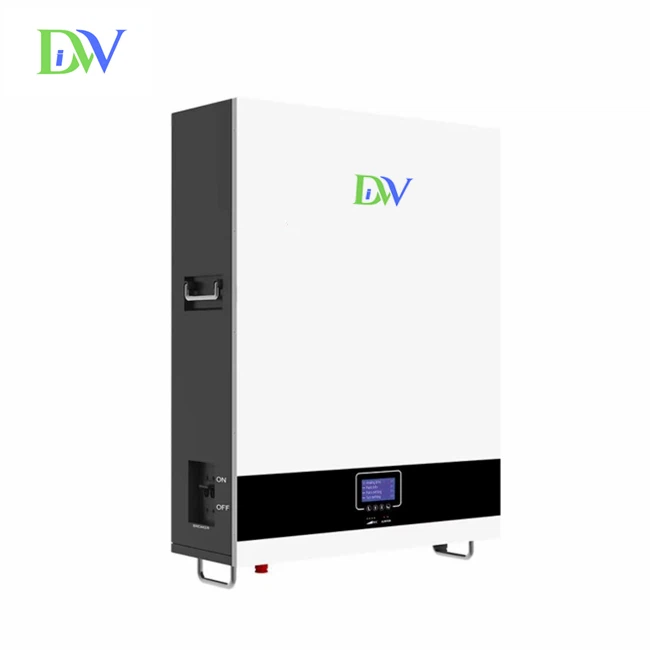

We're always happy to help our customers find the right power pack for their needs. Whether you're a frequent flyer or just need a reliable power source for your daily life, we've got you covered. If you're interested in learning more about our products or have any questions about taking our power packs on a plane, don't hesitate to reach out. We're here to make the process as easy and stress - free as possible.
In conclusion, understanding the weight and watt - hour limits for taking a portable power pack on a plane is crucial for a safe and hassle - free travel experience. By following the guidelines and choosing a power pack that meets the safety standards, you can enjoy the convenience of having a reliable power source wherever you go. So, if you're in the market for a portable power pack, consider our products. We're confident that you'll find the perfect one for your needs.
References:
- International Civil Aviation Organization (ICAO) regulations
- International Air Transport Association (IATA) guidelines