

What are the heat dissipation requirements for elevator backup power systems?
Nov 05, 2025
As a supplier of elevator backup power systems, I've witnessed firsthand the critical role these systems play in ensuring the safety and functionality of elevators during power outages. One often overlooked aspect of these systems is heat dissipation. In this blog, I'll delve into the heat dissipation requirements for elevator backup power systems, explaining why they are crucial and how to meet them effectively.
Why Heat Dissipation Matters in Elevator Backup Power Systems
Elevator backup power systems, whether they are based on batteries or other energy storage technologies, generate heat during their operation. This heat is a natural by - product of the electrical processes involved in charging, discharging, and maintaining the power supply. If not properly managed, excessive heat can have several detrimental effects on the system:

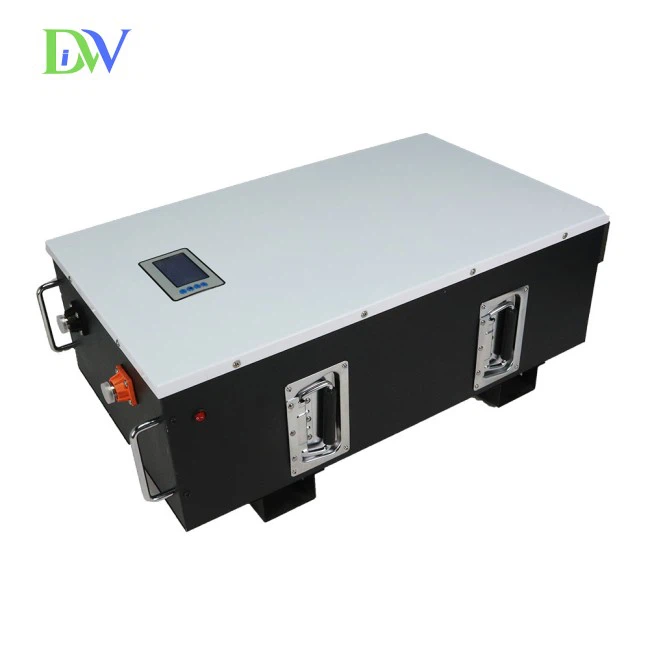
- Reduced Battery Life: Most elevator backup power systems rely on batteries, such as lead - acid or lithium - ion batteries. High temperatures can accelerate the chemical reactions inside the batteries, leading to faster degradation of the battery electrodes and electrolyte. This results in a shorter battery lifespan, which means more frequent battery replacements and increased costs for elevator operators.
- Performance Degradation: Heat can also cause a decrease in the performance of the power system. As the temperature rises, the internal resistance of the batteries increases, which reduces the efficiency of power transfer. This can lead to a lower output voltage and current, potentially affecting the elevator's ability to operate properly during a power outage.
- Safety Risks: In extreme cases, overheating can pose safety risks. Excessive heat can cause battery thermal runaway, a condition where the battery temperature rises uncontrollably, leading to the release of toxic gases, fires, or even explosions. Ensuring proper heat dissipation is essential to prevent these dangerous situations.
Heat Generation Sources in Elevator Backup Power Systems
To understand the heat dissipation requirements, it's important to identify the main sources of heat in elevator backup power systems:
- Battery Charging and Discharging: When the batteries are being charged or discharged, electrical energy is converted into chemical energy and vice versa. This process is not 100% efficient, and some of the energy is lost as heat. The rate of heat generation depends on factors such as the charging and discharging current, battery capacity, and battery chemistry.
- Power Electronics: Elevator backup power systems typically include power electronics components, such as inverters and chargers. These components also generate heat during operation as they convert and regulate the electrical power. The efficiency of the power electronics plays a significant role in determining the amount of heat produced.
- Internal Resistance: The internal resistance of the batteries and other electrical components in the system causes heat to be generated when current flows through them. This resistance is inherent in all electrical conductors and increases with temperature.
Heat Dissipation Requirements
To ensure the proper operation and longevity of elevator backup power systems, the following heat dissipation requirements should be met:
- Temperature Limits: Each type of battery and power electronics component has a recommended operating temperature range. For example, lead - acid batteries typically operate best between 20°C and 25°C, while lithium - ion batteries have a wider operating temperature range but still perform optimally within a specific range. The heat dissipation system should be designed to keep the temperature of the system within these recommended limits.
- Heat Transfer Rate: The heat dissipation system must be able to transfer the generated heat away from the power system at a rate that matches or exceeds the rate of heat generation. This requires an effective combination of conduction, convection, and radiation heat transfer mechanisms.
- Airflow and Ventilation: Adequate airflow and ventilation are essential for heat dissipation. In many elevator backup power systems, fans are used to circulate air and remove heat from the battery compartments and power electronics enclosures. The ventilation system should be designed to ensure that fresh air is constantly supplied and hot air is efficiently exhausted.
Meeting Heat Dissipation Requirements
There are several ways to meet the heat dissipation requirements for elevator backup power systems:
- Thermal Management Design: The design of the power system should incorporate thermal management features from the start. This includes proper placement of components to allow for natural airflow, the use of heat sinks to increase the surface area for heat transfer, and the selection of materials with high thermal conductivity.
- Active Cooling Systems: In some cases, active cooling systems such as air - cooled or liquid - cooled systems may be required. Air - cooled systems use fans to blow air over the heat - generating components, while liquid - cooled systems use a coolant to absorb and transfer heat away from the system. These systems can provide more precise temperature control and are suitable for high - power elevator backup power systems.
- Monitoring and Control: Implementing a monitoring and control system is crucial for ensuring the effectiveness of the heat dissipation system. Temperature sensors can be installed in critical areas of the power system to continuously monitor the temperature. If the temperature exceeds the recommended limits, the control system can activate additional cooling measures or alert maintenance personnel.
Our Solutions as an Elevator Backup Power Supplier
As a leading supplier of elevator backup power systems, we understand the importance of heat dissipation and offer comprehensive solutions to meet these requirements. Our systems are designed with advanced thermal management features to ensure optimal performance and reliability.
We offer a range of energy storage solutions that are suitable for elevator backup power applications, including the Solar PV Energy Storage System, Microgrid Energy Storage System, and Powerwall Home Battery. These systems are equipped with efficient cooling mechanisms and are designed to operate within the recommended temperature ranges.
Our team of experts can also provide customized heat dissipation solutions based on the specific requirements of your elevator backup power system. We can conduct thermal analysis and simulations to design the most effective cooling system for your application.
Conclusion
Heat dissipation is a critical aspect of elevator backup power systems. By understanding the heat generation sources, requirements, and solutions, elevator operators can ensure the proper operation, longevity, and safety of their backup power systems. As an elevator backup power supplier, we are committed to providing high - quality products and solutions that meet the heat dissipation needs of our customers.
If you are interested in learning more about our elevator backup power systems or have specific heat dissipation requirements for your project, please don't hesitate to contact us for a detailed consultation and procurement discussion.
References
- Battery University: "How to Prolong Lithium - based Batteries".
- IEEE Standards for Power Electronics and Energy Storage Systems.
- Elevator Industry Standards and Guidelines related to Backup Power Systems.