

What are the environmental impacts of scooter lithium batteries?
Nov 20, 2025
Hey there! I'm a supplier of scooter lithium batteries, and I've been in this business for quite a while. You know, as much as I love selling these batteries because they're super efficient and powerful for scooters, I've also been thinking a lot about their environmental impacts. So, let's dive right in and chat about what's going on with these batteries and Mother Earth.
First off, let's talk about the good stuff. Scooter lithium batteries are a huge upgrade from the old - school lead - acid batteries. Lithium batteries are much lighter, which means scooters can go farther on a single charge. That's great for reducing our carbon footprint because it encourages people to use scooters instead of cars for short trips. Cars burn a lot of fossil fuels, and every time someone chooses a scooter, it's a small win for the environment.
Another advantage is that lithium batteries have a longer lifespan. You don't have to replace them as often as lead - acid batteries. This reduces the amount of battery waste going into landfills. Less waste means less pollution and a healthier planet. For example, if you're using a 48v 50ah Lifepo4 Battery, you can expect it to last for a good number of years, and that's less battery junk to deal with.
Also, lithium batteries are more energy - efficient. They can charge up faster and hold their charge better. This efficiency means that less energy is wasted during the charging process. When we waste less energy, we're putting less strain on power plants, many of which still rely on coal and other non - renewable energy sources.
But it's not all sunshine and rainbows. There are some not - so - great environmental impacts too. One of the biggest issues is the mining of lithium. Lithium is a key component in these batteries, and mining it can be pretty damaging to the environment. The mining process often involves a lot of water usage. In some areas, this can lead to water shortages for local communities. The extraction methods can also cause soil erosion and habitat destruction. Many of the lithium mines are located in areas with unique ecosystems, and when we disrupt these habitats, we're putting a lot of plant and animal species at risk.
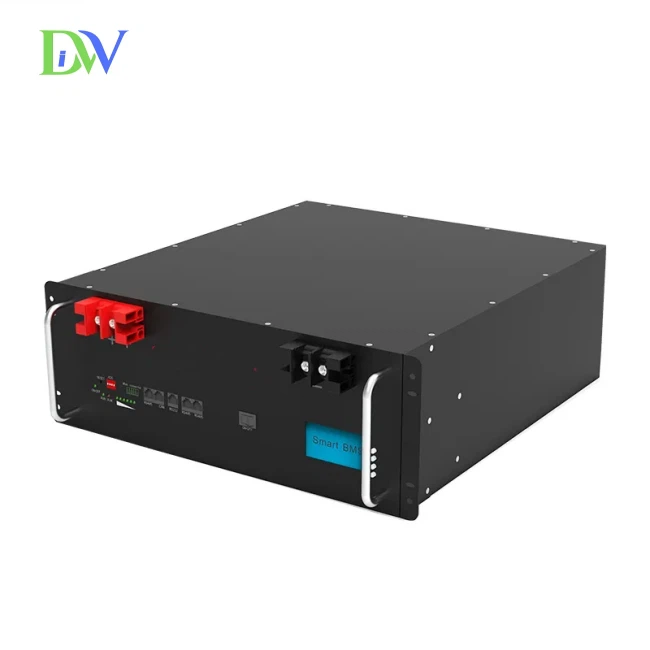

Another problem is the disposal of lithium batteries. Even though they last longer, eventually, they'll reach the end of their life. If these batteries aren't disposed of properly, they can release harmful chemicals into the environment. Lithium batteries contain heavy metals like cobalt and nickel. When these metals seep into the soil or water, they can contaminate the environment and pose a threat to human health. For instance, cobalt exposure has been linked to various health problems, including respiratory issues and heart problems.
Transporting these batteries also has an environmental cost. The batteries need to be shipped from the manufacturing facilities to the suppliers and then to the end - users. This transportation involves trucks, ships, and planes, all of which burn fossil fuels and emit greenhouse gases. The more batteries we ship, the more pollution we're creating.
Now, what can we do about these issues? Well, as a supplier, I'm doing my part. I'm working with manufacturers who are trying to make the mining process more sustainable. Some companies are developing new technologies to reduce water usage in lithium mining. They're also looking into ways to minimize the environmental impact of the extraction process.
When it comes to disposal, I'm promoting battery recycling. There are specialized recycling facilities that can safely break down lithium batteries and recover valuable materials like lithium, cobalt, and nickel. These recovered materials can then be used to make new batteries, which reduces the need for more mining. I'm also educating my customers about the importance of proper battery disposal and directing them to recycling centers.
In addition to that, I'm constantly on the lookout for more energy - efficient ways to transport the batteries. Maybe using electric trucks for local deliveries or optimizing shipping routes to reduce fuel consumption.
If you're in the market for a scooter battery, whether it's an Electric Unicycle Battery or a Lithium Car Starting Battery, I want you to know that I'm committed to providing high - quality products with as little environmental impact as possible. I understand that you care about the planet as much as I do, and I'm here to help you make a more eco - friendly choice.
If you have any questions about our products, their environmental impacts, or want to discuss a potential purchase, don't hesitate to reach out. I'm always happy to have a chat and find the best solution for you. Whether you're an individual looking for a battery for your personal scooter or a business interested in bulk orders, I've got you covered. Let's work together to keep our scooters running and our planet healthy.
References
- "Environmental Impacts of Lithium - Ion Battery Production and Recycling" by Journal of Cleaner Production
- "Sustainable Lithium Mining: Challenges and Opportunities" by Resources Policy
- "The Future of Electric Vehicle Batteries: Environmental Considerations" by Nature Energy