

What are the common repairs for a car starter battery?
Aug 04, 2025
A car starter battery is an essential component of any vehicle, providing the necessary electrical power to start the engine. Over time, however, these batteries can experience various issues that require repairs. As a reputable car starter battery supplier, I've encountered numerous common problems and their solutions. In this blog, I'll share some of the most prevalent repairs for car starter batteries, along with insights into how you can address them effectively.
1. Sulfation
Sulfation is one of the most common problems affecting car starter batteries. It occurs when lead - sulfate crystals build up on the battery plates. This build - up can happen due to several reasons, such as leaving the battery in a partially charged state for an extended period, overcharging, or undercharging.
When sulfation occurs, the battery's ability to hold a charge is significantly reduced. You may notice that your car takes longer to start, or the engine cranks more slowly. In severe cases, the battery may not be able to start the car at all.
To repair a battery affected by sulfation, you can use a desulfator. A desulfator is a device that sends high - frequency pulses through the battery, which helps break down the lead - sulfate crystals. Some modern chargers also come with a desulfation mode. If the sulfation is not too severe, using a desulfator or a charger with this function for a few hours or days can often restore the battery's performance.
However, if the sulfation is extensive, the battery plates may be severely damaged, and the battery may need to be replaced. As a car starter battery supplier, we recommend regular maintenance to prevent sulfation, such as keeping the battery fully charged and using a smart charger. For more energy - storage solutions, you can also explore our Solar PV Energy Storage System.
2. Corrosion
Corrosion on the battery terminals is another common issue. It usually appears as a white, powdery substance on the positive and negative terminals of the battery. Corrosion can be caused by a chemical reaction between the battery acid and the metal terminals, as well as exposure to moisture and contaminants.
When corrosion builds up on the terminals, it can interfere with the electrical connection between the battery and the vehicle's electrical system. This can lead to problems such as poor starting performance, dimming headlights, and electrical malfunctions.
To repair a battery with corroded terminals, you first need to disconnect the battery. Start by removing the negative terminal (usually marked with a minus sign) and then the positive terminal. You can then use a mixture of baking soda and water to clean the terminals. Make a paste with the baking soda and water, apply it to the corroded areas, and use a wire brush to scrub away the corrosion. Rinse the terminals thoroughly with clean water and dry them.

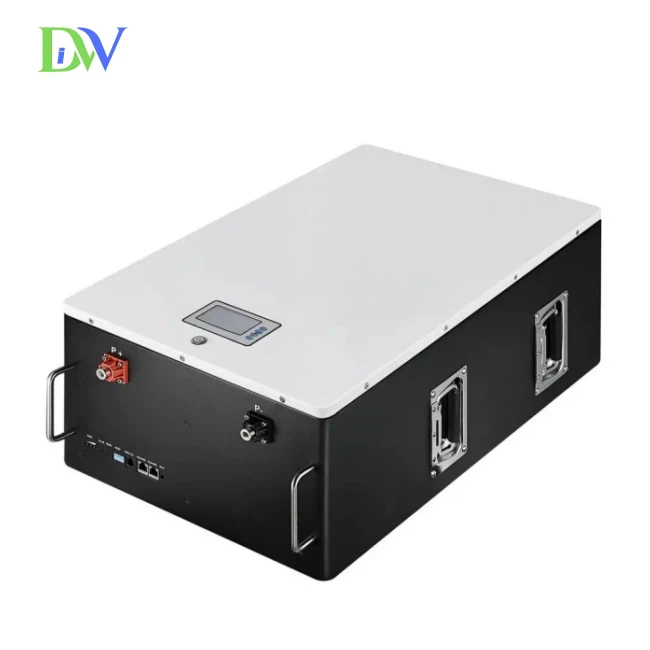
After cleaning, you can apply a thin layer of petroleum jelly or a terminal protector spray to the terminals to prevent future corrosion. Reconnect the battery, starting with the positive terminal and then the negative terminal. As a car starter battery supplier, we offer high - quality terminal protectors to help you maintain your battery. You may also be interested in our RV Lithium Battery for your recreational vehicle needs.
3. Low Electrolyte Level
The electrolyte in a car starter battery is a mixture of sulfuric acid and water. Over time, the electrolyte level can drop due to evaporation, especially in hot weather or if the battery is overcharged. A low electrolyte level can cause the battery plates to be exposed to air, which can lead to damage and reduced battery performance.
You can check the electrolyte level by looking at the indicator on the battery case or by removing the caps on a maintenance - type battery. If the electrolyte level is low, you need to add distilled water to the battery. Do not use tap water, as it contains minerals that can contaminate the battery and cause damage.
Slowly pour the distilled water into each cell until the electrolyte reaches the recommended level. Be careful not to overfill the cells. After adding water, you may need to charge the battery to ensure that the electrolyte is properly mixed. If you're unsure about how to handle this, as a car starter battery supplier, our technical support team can provide you with detailed guidance. And for home energy - storage needs, take a look at our Smart Home Lithium Battery.
4. Faulty Cells
A car starter battery is made up of several cells, each producing a certain voltage. If one or more cells in the battery are faulty, the overall voltage of the battery will be affected. A faulty cell can be caused by internal short - circuits, plate damage, or other manufacturing defects.
You can use a battery tester to check the voltage of each cell. If a cell has a significantly lower voltage than the others, it is likely faulty. In some cases, a battery with a faulty cell can be repaired by replacing the damaged cell. However, this requires specialized equipment and knowledge, and it may not always be cost - effective.
In most cases, if a cell is faulty, it is recommended to replace the entire battery. As a car starter battery supplier, we offer a wide range of high - quality replacement batteries to ensure that your vehicle starts reliably.
5. Overcharging and Undercharging
Overcharging and undercharging can both cause significant damage to a car starter battery. Overcharging occurs when the charging system supplies too much voltage to the battery. This can lead to excessive gassing, which can cause the electrolyte to evaporate and the battery plates to become damaged.
Undercharging, on the other hand, happens when the battery is not charged enough. This can lead to sulfation and reduced battery life. To prevent overcharging and undercharging, it is important to have a properly functioning charging system in your vehicle.
You can use a multimeter to check the charging voltage of your vehicle's alternator. The charging voltage should be within the manufacturer's recommended range. If you suspect that your charging system is not working correctly, it is advisable to have it checked by a professional mechanic. As a car starter battery supplier, we can also provide you with advice on choosing the right charger for your battery.
In conclusion, car starter batteries can face a variety of common problems, but many of them can be repaired with the right knowledge and tools. Regular maintenance is key to preventing these issues and extending the life of your battery. At our company, we are committed to providing high - quality car starter batteries and energy - storage solutions. Whether you need a replacement battery or want to explore other energy - storage options, we are here to help. If you're interested in purchasing our products or have any questions, please feel free to contact us for a procurement discussion. We look forward to serving you.
References
- Battery University. "Understanding Battery Sulfation."
- Chilton's Auto Repair Manuals. "Battery Maintenance and Troubleshooting."
- Motor Age Magazine. "Common Battery Problems and Solutions."