

Is a home emergency battery better than a generator?
Jul 30, 2025
Hey there! As a supplier of home emergency batteries, I've gotten tons of questions about whether a home emergency battery is better than a generator. It's a hot - topic, and today, I'm gonna break it down for you.
Noise and Environment
Let's start with noise. Generators are notoriously loud. You know those times when there's a power outage at night, and you just want some peace while waiting for the electricity to come back? Well, a generator can ruin that. The constant humming and rattling can be a real pain in the neck, not just for you but also for your neighbors.
On the flip side, home emergency batteries are quiet as a mouse. They operate silently, so you won't even notice they're working. Whether it's powering your fridge to keep your food fresh or running a few lights, you can go about your business without that annoying background noise.
Now, let's talk about the environment. Generators usually run on fossil fuels like gasoline or diesel. When they burn these fuels, they release a bunch of harmful pollutants into the air, such as carbon monoxide, nitrogen oxides, and particulate matter. These pollutants are not only bad for the air we breathe but also contribute to climate change.
Home emergency batteries, especially the ones we offer like the High Power UPS Lithium Battery, are much more eco - friendly. They store energy from renewable sources like solar panels or the grid during off - peak hours. When there's a power outage, they supply that stored energy without any emissions. It's a win - win for both you and the planet.
Maintenance and Ease of Use
Generators require a fair amount of maintenance. You have to regularly check the oil level, change the oil, and clean or replace the air filter. You also need to make sure you have enough fuel on hand. If you forget to refill the fuel tank, your generator won't work when you need it most. And let's not forget about the potential fire hazards associated with storing fuel.
Home emergency batteries are super easy to maintain. Once you install them, you pretty much just set it and forget it. There are no moving parts that need regular servicing, and you don't have to worry about fuel storage. All you need to do is charge the battery periodically, and it'll be ready to go when an emergency strikes.
Using a generator can be a bit of a hassle, too. You have to start it up manually, which can sometimes be difficult, especially if it hasn't been used in a while. You also need to make sure it's properly ventilated to avoid carbon monoxide poisoning.
With a home emergency battery, it's as simple as plugging in your devices. When the power goes out, the battery automatically kicks in, providing seamless power to your essential appliances. It's so easy that even a newbie can handle it.
Cost
In the short term, generators might seem like the more affordable option. The upfront cost of a generator is usually lower than that of a home emergency battery. However, when you factor in the long - term costs, the picture changes.
Generators consume fuel, and the cost of fuel can add up over time. You also have to account for the maintenance costs, which can be significant, especially if you use the generator frequently.
Home emergency batteries, although more expensive upfront, can save you money in the long run. They have a longer lifespan, and once you've paid for the initial purchase and installation, there are no ongoing fuel costs. Plus, with incentives like tax credits for using renewable energy storage systems, the overall cost of a home emergency battery can be reduced.
Power Output and Capacity
Generators are known for their high - power output. They can easily power large appliances like air conditioners, electric stoves, and water heaters. However, they also consume a lot of fuel when running at high power.
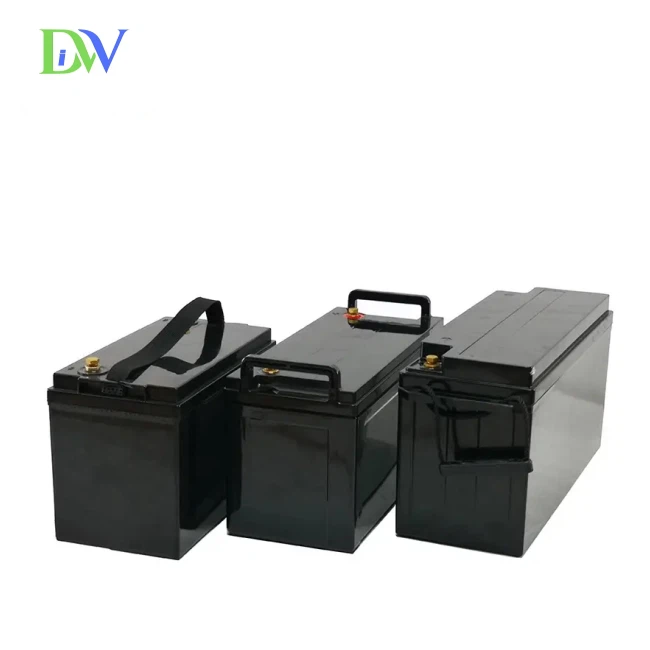

Home emergency batteries have come a long way in terms of power output and capacity. Our Emergency Backup Power systems can provide enough power to run multiple essential appliances simultaneously, such as lights, a refrigerator, a TV, and a few small electronics. And if you need more power, you can always add additional battery modules to increase the capacity.
Mobility
If you're someone who likes to take your emergency power source on the go, like for camping or tailgating, a generator might seem like a good choice. But generators are heavy and bulky, and they require fuel, which can be difficult to transport.
Our Lithium Battery For Camper is a great alternative for those who need portable power. It's lightweight, easy to carry, and doesn't require any fuel. You can charge it at home before your trip and use it to power your camping equipment, such as lights, fans, and chargers.
Conclusion
So, is a home emergency battery better than a generator? In most cases, yes. Home emergency batteries offer a quieter, more eco - friendly, and easier - to - maintain power solution. They might have a higher upfront cost, but they can save you money in the long run. And with the advancements in battery technology, they can now provide enough power to meet your emergency needs.
If you're interested in learning more about our home emergency battery products or want to discuss a potential purchase, don't hesitate to reach out. We're here to help you find the best power solution for your home. Whether it's for a small apartment or a large family home, we have the right battery for you.
References
- Various industry reports on power generation and storage
- Customer feedback and experiences with generators and home emergency batteries