

How to integrate an RV lithium battery with a solar panel system?
Aug 19, 2025
Integrating an RV lithium battery with a solar panel system is a game - changer for RV enthusiasts. As an RV lithium battery supplier, I've seen firsthand how this combination can transform the RV experience, offering more power, longer trips, and greater peace of mind. In this blog, I'll walk you through the process of integrating these two essential components, so you can enjoy the freedom of the open road without worrying about running out of juice.
Why Combine an RV Lithium Battery with a Solar Panel System?
Before we dive into the integration process, let's talk about why this combination is so great. First off, lithium batteries are far superior to traditional lead - acid batteries. They're lighter, have a longer lifespan, and can handle more charge - discharge cycles. This means you'll get more use out of your battery over time, and you won't have to replace it as often.
Solar panels, on the other hand, are a clean and renewable source of energy. They allow you to harness the power of the sun and convert it into electricity, which can be stored in your battery for later use. By combining the two, you can create a self - sufficient power system for your RV, reducing your reliance on external power sources like campground hookups or generators.
Step 1: Assess Your Power Needs
The first step in integrating an RV lithium battery with a solar panel system is to figure out how much power you need. This will depend on a few factors, such as the size of your RV, the number of appliances you use, and how often you use them.
Make a list of all the electrical devices in your RV, including lights, fans, refrigerators, TVs, and chargers. Check the power ratings of each device (usually listed in watts) and add them up to get your total power consumption. Keep in mind that some devices, like refrigerators and air conditioners, may run intermittently, so you'll need to factor that in as well.
Once you have an idea of your power needs, you can choose the right size of lithium battery and solar panel system. A larger battery will store more energy, while more solar panels will generate more power. You want to make sure you have enough power to meet your daily needs, even on cloudy days.
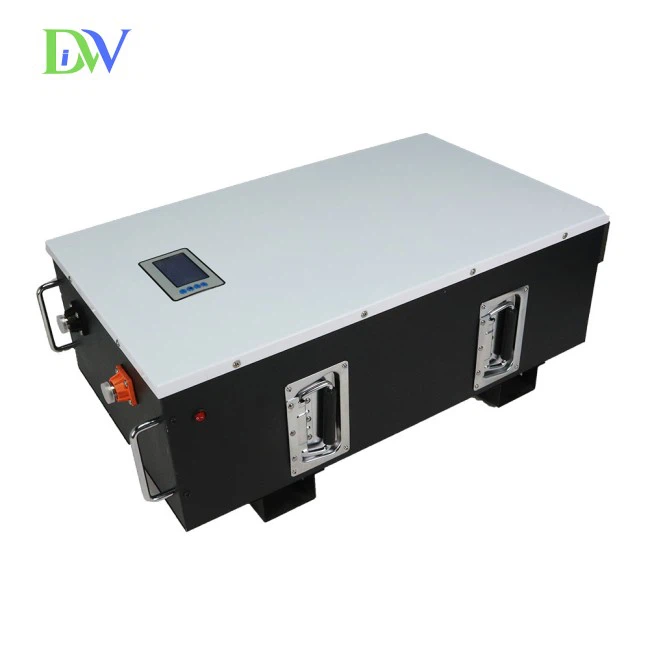

Step 2: Choose the Right RV Lithium Battery
When it comes to choosing an RV lithium battery, there are a few things to consider. First, you'll need to decide on the battery's capacity, which is measured in amp - hours (Ah). The higher the amp - hour rating, the more energy the battery can store.
You'll also want to look at the battery's voltage. Most RV electrical systems run on 12 volts, but some larger RVs may use 24 volts or even 48 volts. Make sure the battery you choose is compatible with your RV's electrical system.
Another important factor is the battery's charge rate. A faster charge rate means you can recharge your battery more quickly, which is especially important if you're using solar panels. Look for a battery that has a high charge acceptance rate and can handle the input from your solar panels.
As an RV lithium battery supplier, I can offer you a range of high - quality lithium batteries that are designed specifically for RV use. These batteries are built to last, with advanced safety features and a long cycle life.
Step 3: Select the Right Solar Panel System
Now that you've chosen your RV lithium battery, it's time to select the right solar panel system. There are two main types of solar panels: monocrystalline and polycrystalline. Monocrystalline panels are more efficient and more expensive, while polycrystalline panels are less efficient but more affordable.
The size of your solar panel system will depend on your power needs and the amount of sunlight your RV receives. A general rule of thumb is to aim for a solar panel system that can generate at least as much power as your daily power consumption.
You'll also need to consider the orientation and tilt of your solar panels. To get the most out of your solar panels, they should be facing south (in the northern hemisphere) and tilted at an angle that's equal to your latitude. This will ensure that they receive the maximum amount of sunlight throughout the day.
There are also different types of solar charge controllers available. A charge controller regulates the flow of electricity from the solar panels to the battery, preventing overcharging and extending the battery's lifespan. Make sure you choose a charge controller that's compatible with your lithium battery and solar panel system.
Step 4: Install the Solar Panels
Once you've selected your solar panel system, it's time to install the solar panels on your RV. This can be a bit tricky, so if you're not comfortable doing it yourself, I recommend hiring a professional.
Start by finding a suitable location on your RV's roof for the solar panels. Make sure the area is flat, clean, and free of any obstructions. You'll need to use special mounting brackets to attach the solar panels to the roof.
Connect the solar panels together using MC4 connectors. These connectors are designed to be waterproof and easy to install. Once all the solar panels are connected, run the cables from the panels to the charge controller, which should be installed inside your RV.
Step 5: Connect the Solar Panel System to the Lithium Battery
After installing the solar panels, it's time to connect the solar panel system to the lithium battery. First, connect the charge controller to the battery using the appropriate cables. Make sure the positive and negative terminals are correctly connected to avoid any short circuits.
The charge controller will regulate the flow of electricity from the solar panels to the battery, ensuring that the battery is charged safely and efficiently. Once the connection is made, you can start enjoying the benefits of your self - sufficient power system.
Step 6: Monitor and Maintain Your System
Once your RV lithium battery and solar panel system are integrated, it's important to monitor and maintain them regularly. Keep an eye on the battery's state of charge and the solar panel's output. You can use a battery monitor to track the battery's voltage, current, and state of charge.
Make sure to clean the solar panels regularly to remove any dirt, dust, or debris that may accumulate on the surface. This will ensure that they continue to generate maximum power.
Also, check the connections between the solar panels, charge controller, and battery periodically to make sure they're tight and secure. Loose connections can cause power loss and may even pose a safety hazard.
Conclusion
Integrating an RV lithium battery with a solar panel system is a great way to enhance your RV experience. It offers you the freedom to travel off - grid, reduces your environmental impact, and saves you money in the long run.
As an RV lithium battery supplier, I'm here to help you every step of the way. Whether you need advice on choosing the right battery and solar panel system, or you need help with installation and maintenance, I'm just a message away.
If you're interested in purchasing an RV lithium battery or a Solar PV Energy Storage System, Parking Battery, or Powerwall Home Battery, please feel free to reach out for a quote and start a purchase negotiation. Let's work together to make your RV adventures more enjoyable and sustainable.
References
- "RV Solar Power: A Comprehensive Guide" by DIY RV
- "Lithium Batteries for RVs: Everything You Need to Know" by RV Life
- "Solar Panel Installation Guide" by Renogy