

How to dispose of old AGV lithium batteries?
Oct 13, 2025
In the modern industrial landscape, Automated Guided Vehicles (AGVs) have emerged as indispensable assets, streamlining operations across various sectors. At the heart of these efficient machines lies the AGV lithium battery, a power source that offers high energy density, long cycle life, and reliable performance. However, as these batteries reach the end of their useful lives, proper disposal becomes a critical concern. As an AGV Lithium Battery supplier, I understand the importance of addressing this issue responsibly. In this blog post, I will share some insights on how to dispose of old AGV lithium batteries safely and sustainably.
Understanding the Risks of Improper Disposal
Lithium batteries, including those used in AGVs, contain hazardous materials such as lithium, cobalt, and nickel. If not disposed of properly, these materials can pose significant risks to the environment and human health. For instance, lithium is a highly reactive metal that can cause fires or explosions if it comes into contact with water or air. Cobalt and nickel are toxic heavy metals that can contaminate soil and water sources, leading to long-term environmental damage. Moreover, improper disposal of lithium batteries can also result in the loss of valuable resources, as these materials can be recycled and reused.
Legal Requirements for Battery Disposal
Before disposing of old AGV lithium batteries, it is essential to familiarize yourself with the legal requirements in your region. In many countries, there are strict regulations governing the disposal of hazardous waste, including lithium batteries. These regulations aim to protect the environment and human health by ensuring that batteries are disposed of safely and responsibly. For example, in the United States, the Environmental Protection Agency (EPA) regulates the disposal of lithium batteries under the Resource Conservation and Recovery Act (RCRA). Under RCRA, lithium batteries are classified as hazardous waste and must be disposed of in accordance with specific guidelines.
Recycling Options for Old AGV Lithium Batteries
Recycling is the most environmentally friendly way to dispose of old AGV lithium batteries. By recycling these batteries, we can recover valuable materials such as lithium, cobalt, and nickel, which can be reused in the production of new batteries. Recycling also helps to reduce the demand for virgin materials, which can have a significant impact on the environment. There are several recycling options available for old AGV lithium batteries, including:
- Battery Recycling Companies: There are many companies that specialize in recycling lithium batteries. These companies have the expertise and equipment necessary to safely and efficiently recycle AGV lithium batteries. When choosing a battery recycling company, it is important to ensure that they are licensed and certified to handle hazardous waste. You can also check their reputation and track record to ensure that they are reliable and trustworthy.
- Manufacturer Take-Back Programs: Some AGV lithium battery manufacturers offer take-back programs, where they accept old batteries from their customers for recycling. These programs are a convenient and environmentally friendly way to dispose of old batteries, as the manufacturer takes care of the recycling process. If your AGV lithium battery manufacturer offers a take-back program, I recommend taking advantage of it.
- Local Recycling Centers: Many local recycling centers accept lithium batteries for recycling. These centers typically have specific guidelines for accepting batteries, so it is important to check with them before dropping off your old AGV lithium batteries. Some recycling centers may require you to separate the batteries by type or size, while others may accept them in bulk.
Safe Handling and Transportation of Old AGV Lithium Batteries
When handling and transporting old AGV lithium batteries, it is important to take appropriate safety precautions to prevent fires, explosions, and other accidents. Here are some tips for safely handling and transporting old AGV lithium batteries:
- Wear Protective Gear: When handling old AGV lithium batteries, it is important to wear protective gear such as gloves, goggles, and a face mask. This will help to protect you from any hazardous materials that may be present in the batteries.
- Use Proper Containers: Old AGV lithium batteries should be stored and transported in proper containers that are designed to prevent short circuits and other accidents. These containers should be made of non-conductive materials and should have a secure lid.
- Avoid Overheating and Physical Damage: Lithium batteries are sensitive to overheating and physical damage. When handling and transporting old AGV lithium batteries, it is important to avoid exposing them to high temperatures or physical impact. This can cause the batteries to malfunction or even explode.
- Follow Transportation Regulations: When transporting old AGV lithium batteries, it is important to follow the transportation regulations in your region. These regulations may require you to use specific packaging, labeling, and documentation when transporting batteries.
Other Disposal Options for Old AGV Lithium Batteries
In some cases, recycling may not be a viable option for old AGV lithium batteries. For example, if the batteries are damaged or have been exposed to water, they may not be suitable for recycling. In these cases, there are other disposal options available, including:
- Landfill Disposal: Landfill disposal is the least environmentally friendly way to dispose of old AGV lithium batteries. However, in some cases, it may be the only option available. If you need to dispose of old AGV lithium batteries in a landfill, it is important to ensure that they are properly packaged and labeled to prevent any leakage or contamination.
- Incineration: Incineration is another option for disposing of old AGV lithium batteries. However, this method is also not environmentally friendly, as it can release hazardous pollutants into the air. If you need to dispose of old AGV lithium batteries by incineration, it is important to ensure that the incinerator is properly designed and operated to minimize the release of pollutants.
Conclusion
Proper disposal of old AGV lithium batteries is essential for protecting the environment and human health. As an AGV Lithium Battery supplier, I am committed to promoting responsible battery disposal practices. By recycling old AGV lithium batteries, we can recover valuable materials, reduce the demand for virgin materials, and minimize the environmental impact of battery production. If you have any questions or need further information on how to dispose of old AGV lithium batteries, please do not hesitate to contact us. We are here to help you find the best solution for your needs.
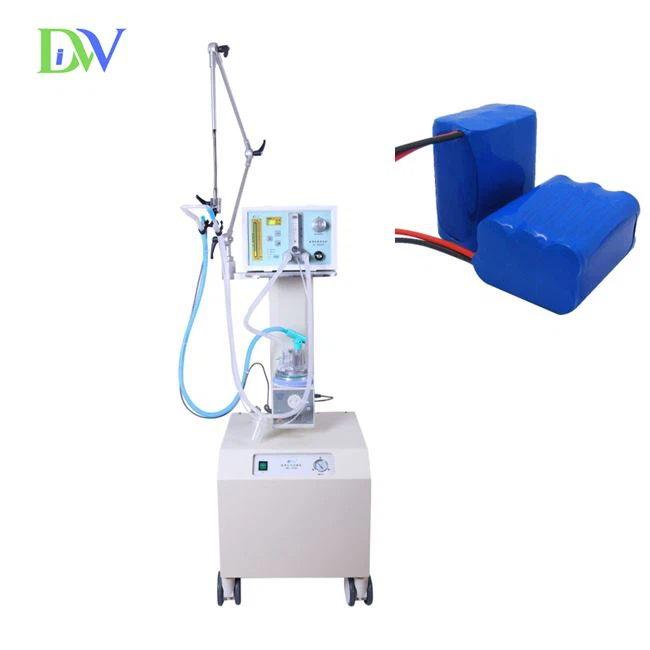
In addition to AGV lithium batteries, we also supply Fire Robot Lithium Battery, Anesthesia Machine Lithium Battery, and Ventilator Lithium Battery. If you are interested in purchasing any of these products, please feel free to contact us for more information. We look forward to working with you!

References
- Environmental Protection Agency (EPA). (n.d.). Resource Conservation and Recovery Act (RCRA). Retrieved from https://www.epa.gov/rcra
- United States Geological Survey (USGS). (n.d.). Lithium. Retrieved from https://www.usgs.gov/centers/nmic/lithium-statistics-and-information
- International Renewable Energy Agency (IRENA). (2019). Recycling of Lithium-Ion Batteries for Electric Vehicles. Retrieved from https://www.irena.org/publications/2019/May/Recycling-of-Lithium-Ion-Batteries-for-Electric-Vehicles