

How to choose the right ups reserve battery pack?
Dec 30, 2025
Choosing the right UPS reserve battery pack is a critical decision that can significantly impact the reliability and performance of your power backup system. As a UPS reserve battery pack supplier, I understand the complexity of this choice and am here to guide you through the process. In this blog post, I will share some key factors to consider when selecting a UPS reserve battery pack, ensuring that you make an informed decision that meets your specific needs.
Understanding Your Power Requirements
The first step in choosing the right UPS reserve battery pack is to understand your power requirements. This involves determining the total power consumption of the devices you want to protect during a power outage. Start by making a list of all the equipment that will be connected to the UPS, including computers, servers, routers, and any other critical devices. Note down the power rating (in watts) for each device, which can usually be found on the device itself or in its user manual.
Once you have a list of all the devices and their power ratings, calculate the total power consumption. This will give you an idea of the minimum capacity (in volt - ampere hours or watt - hours) required for your UPS reserve battery pack. Keep in mind that you should also consider any future expansion of your equipment. If you plan to add more devices to the UPS in the future, it's advisable to choose a battery pack with a slightly higher capacity than your current needs.
Battery Technology
There are several types of battery technologies available for UPS reserve battery packs, each with its own advantages and disadvantages. The most common types are lead - acid batteries and lithium - ion batteries.
Lead - acid batteries have been used in UPS systems for many years and are well - known for their reliability and relatively low cost. They are available in two main variants: flooded lead - acid (FLA) and valve - regulated lead - acid (VRLA). FLA batteries require regular maintenance, including checking and topping up the electrolyte levels. VRLA batteries, on the other hand, are maintenance - free and have a lower risk of acid leakage. However, they generally have a shorter lifespan compared to FLA batteries.
Lithium - ion batteries are becoming increasingly popular in UPS applications due to their high energy density, longer lifespan, and faster charging times. They are also more compact and lighter than lead - acid batteries, which can be an advantage in applications where space is limited. Lithium - ion batteries can provide a more consistent power output, which is beneficial for sensitive electronic equipment. For example, if you need a reliable power source for your camper, you can consider Lithium Battery For Camper.
Runtime Requirements
The runtime of a UPS reserve battery pack refers to the amount of time it can provide power to your connected devices during a power outage. The runtime you need depends on the nature of your operation. For example, if you are using the UPS to protect a home office, a runtime of 15 - 30 minutes may be sufficient to save your work and shut down your computer properly. However, in a data center or industrial setting, you may require several hours or even days of backup power to ensure that critical operations can continue uninterrupted.
To calculate the required runtime, consider the total power consumption of your devices and the amount of time you need to keep them running. You can then use this information to select a battery pack with an appropriate capacity. Keep in mind that the actual runtime may be affected by factors such as the age of the battery, the temperature, and the load on the UPS.
Brand and Quality
When choosing a UPS reserve battery pack, it's important to consider the brand and quality of the product. A reputable brand is more likely to use high - quality materials and manufacturing processes, which can result in a more reliable and long - lasting battery pack. Look for brands that have a good track record in the industry and offer a warranty on their products.
You can also read customer reviews and testimonials to get an idea of the performance and reliability of different battery packs. Additionally, consider the technical support and service offered by the manufacturer. In case of any issues or questions, it's important to have access to knowledgeable support staff who can assist you.
Compatibility
Ensure that the UPS reserve battery pack you choose is compatible with your UPS system. Different UPS models have different voltage and capacity requirements, so it's crucial to choose a battery pack that matches these specifications. Most UPS manufacturers provide a list of compatible battery packs on their websites or in the product documentation.
Using an incompatible battery pack can not only lead to poor performance but may also damage your UPS system. Before making a purchase, double - check the compatibility of the battery pack with your UPS to avoid any potential problems.
Cost - Benefit Analysis
While cost is an important factor when choosing a UPS reserve battery pack, it should not be the only consideration. A cheaper battery pack may have a shorter lifespan or lower performance, which could end up costing you more in the long run. Instead, perform a cost - benefit analysis by comparing the initial cost of the battery pack with its expected lifespan, performance, and maintenance requirements.
For example, a lithium - ion battery pack may have a higher upfront cost than a lead - acid battery pack, but it may offer a longer lifespan, faster charging times, and better performance. In some cases, the savings in maintenance and replacement costs over the life of the battery may justify the higher initial investment.
Safety Features
Safety is of utmost importance when it comes to UPS reserve battery packs. Look for battery packs that have built - in safety features such as over - charge protection, over - discharge protection, and short - circuit protection. These features can help prevent damage to the battery pack and the connected devices, as well as reduce the risk of fire or other safety hazards.
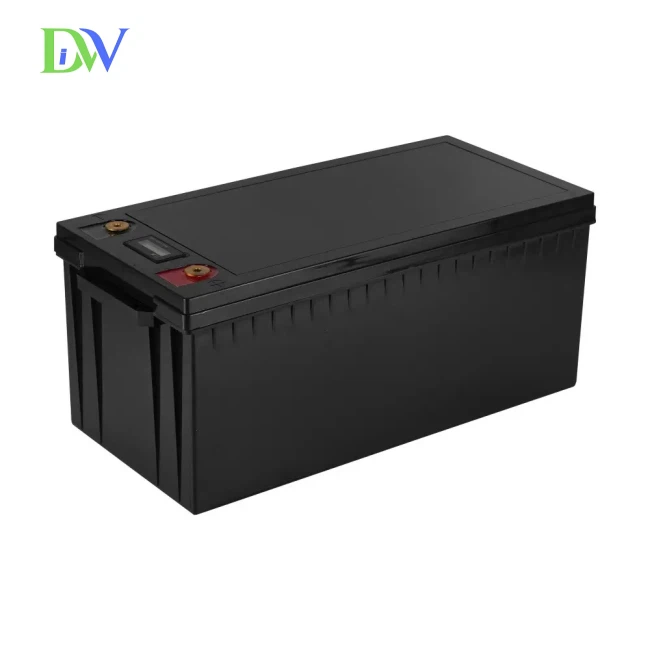

Additionally, consider the battery's compliance with relevant safety standards and regulations. For example, in many countries, batteries are required to meet certain safety and environmental standards. Choosing a battery pack that meets these standards can give you peace of mind knowing that you are using a safe and reliable product.
Environmental Considerations
In today's world, environmental considerations are becoming increasingly important. Some battery technologies, such as lead - acid batteries, can have a significant environmental impact due to the use of toxic materials and the potential for acid leakage. On the other hand, lithium - ion batteries are generally considered to be more environmentally friendly, as they have a lower environmental footprint and can be recycled more easily.
If environmental sustainability is a priority for your organization, you may want to choose a lithium - ion battery pack or look for a lead - acid battery pack that has been designed with environmental considerations in mind. Some manufacturers offer recycling programs for their battery packs, which can help reduce the environmental impact of your power backup system.
Conclusion
Choosing the right UPS reserve battery pack is a complex process that requires careful consideration of several factors, including your power requirements, battery technology, runtime needs, brand and quality, compatibility, cost - benefit analysis, safety features, and environmental considerations. As a UPS reserve battery pack supplier, I am committed to providing you with high - quality products that meet your specific needs.
If you are in the process of selecting a UPS reserve battery pack or have any questions about our products, I encourage you to contact us for a detailed consultation. Our team of experts can help you choose the right battery pack for your application and provide you with all the information you need to make an informed decision. Whether you need a battery pack for a small home office, a large data center, or a recreational vehicle, we have the products and expertise to meet your needs. Store Backup Power Supply is a great option if you need reliable backup power for your store. Also, for applications in parking areas, Parking Battery can be a good solution.
Don't hesitate to reach out to us and start a discussion about your power backup requirements. We look forward to working with you to ensure the reliability and performance of your power backup system.
References
- "Battery Technology Handbook": A comprehensive guide to different battery technologies and their applications.
- "UPS Systems and Power Backup": A technical reference book on UPS systems, including battery selection and maintenance.
- Manufacturer websites and product documentation for UPS and battery pack information.