

How long does it take to charge a home emergency battery?
Oct 29, 2025
Hey there! As a supplier of home emergency batteries, I often get asked one burning question: "How long does it take to charge a home emergency battery?" Well, buckle up because I'm about to dive deep into this topic and give you all the deets.
First things first, let's talk about what a home emergency battery is and why it's so important. A home emergency battery is like a safety net for your home. When the power goes out, it kicks in and keeps your essential appliances running, like your fridge, lights, and maybe even your Wi - Fi (because let's face it, we can't live without that these days). It's a must - have for any household, especially in areas prone to power outages due to storms, grid failures, or other unforeseen circumstances.
Now, the charging time of a home emergency battery can vary widely depending on several factors. One of the most significant factors is the battery's capacity. Battery capacity is usually measured in amp - hours (Ah) or watt - hours (Wh). The higher the capacity, the more energy the battery can store, but it also means it will take longer to charge.
For example, a small home emergency battery with a capacity of around 100Wh might take just a couple of hours to charge using a standard household charger. On the other hand, a large - scale battery with a capacity of 10,000Wh or more could take anywhere from 10 to 24 hours or even longer to fully charge.
Another crucial factor is the charging method. There are a few different ways to charge a home emergency battery:
1. Standard Household Outlet
This is the most common way to charge a home emergency battery. You simply plug the battery charger into a regular wall socket. The charging speed using a household outlet depends on the charger's power output. A typical household charger might have a power output of around 100 - 200 watts. If you're charging a 500Wh battery with a 100 - watt charger, it would take approximately 5 hours to fully charge (500Wh / 100W = 5 hours). However, keep in mind that charging isn't always 100% efficient, so it might take a bit longer in real - world scenarios.
2. Solar Panels
Solar charging is a great option, especially if you're looking for a more sustainable and cost - effective way to charge your battery. The charging time with solar panels depends on the size and efficiency of the solar panels, as well as the amount of sunlight available. On a sunny day, a decent - sized solar panel system can charge a small to medium - sized home emergency battery in a few hours. But if it's cloudy or during the winter months, the charging time will be significantly longer. Also, you'll need to have a charge controller to regulate the charging process and prevent overcharging.
3. Generator
Using a generator to charge your home emergency battery can be a reliable option during extended power outages. The charging time will depend on the generator's power output and the battery's capacity. A small generator with a power output of 1,000 watts can charge a 2,000Wh battery in about 2 hours (assuming 100% efficiency, which is rarely the case). However, generators can be noisy and require fuel, so they might not be the most convenient option all the time.
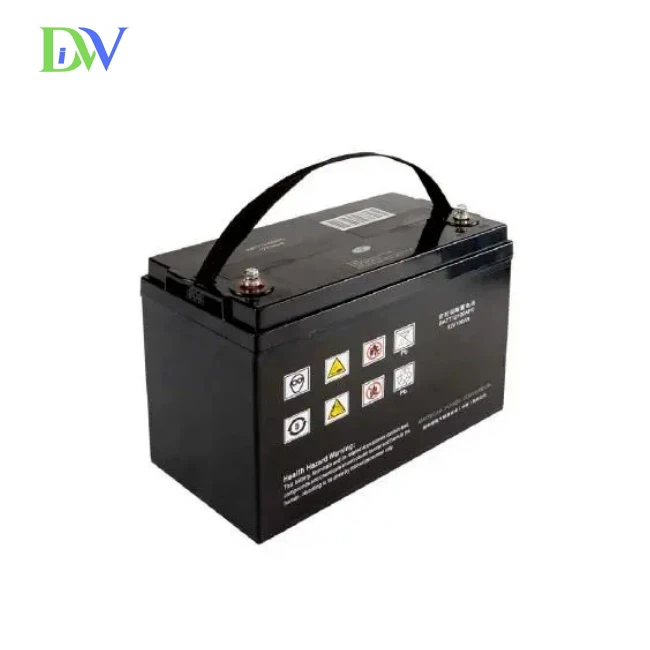
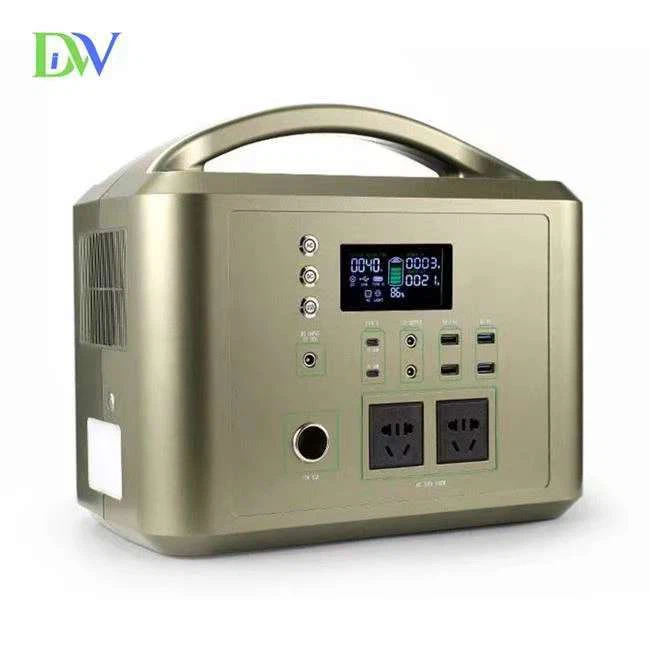
Let's take a look at some of the popular home emergency batteries on the market and their approximate charging times:
-
Powerwall Lithium Battery: The Powerwall Lithium Battery is a high - capacity battery designed for home energy storage. It has a large capacity, usually around 13.5kWh. When charging from a standard household outlet, it can take quite a long time, potentially 10 - 15 hours or more. However, if you have a solar panel system or a high - power charger, the charging time can be reduced.
-
Portable Car Power Bank: Portable Car Power Banks are smaller in capacity, typically ranging from 100 - 500Wh. They are designed to be portable and can be charged using a car charger or a household outlet. Charging a 200Wh portable car power bank using a 50 - watt household charger might take around 4 hours.
-
Emergency Backup Power: The Emergency Backup Power systems come in various sizes and capacities. A medium - sized emergency backup power system with a capacity of 2,000Wh might take 5 - 8 hours to charge using a standard charger.
It's also important to note that some home emergency batteries have fast - charging capabilities. These batteries are designed to charge at a much higher rate, reducing the charging time significantly. However, fast - charging can also generate more heat, which might affect the battery's lifespan if not managed properly.
When it comes to charging your home emergency battery, there are a few best practices to keep in mind:
- Follow the Manufacturer's Instructions: Every battery is different, so it's crucial to read and follow the manufacturer's charging instructions. This will ensure that you charge the battery safely and efficiently.
- Avoid Overcharging: Overcharging can damage the battery and reduce its lifespan. Most modern batteries have built - in protection circuits to prevent overcharging, but it's still a good idea to monitor the charging process.
- Charge in a Cool Environment: High temperatures can affect the battery's performance and lifespan. Try to charge the battery in a cool, well - ventilated area.
So, to sum it up, the time it takes to charge a home emergency battery can range from a couple of hours for a small battery to a full day or more for a large - capacity battery. It all depends on the battery's capacity, the charging method, and other factors like the charger's power output and environmental conditions.
If you're in the market for a home emergency battery and want to know more about charging times or any other aspects of our products, don't hesitate to reach out. We're here to help you find the perfect solution for your home's emergency power needs. Whether you're looking for a small portable power bank or a large - scale energy storage system, we've got you covered. Contact us today to start the procurement and negotiation process, and let's make sure your home is always prepared for power outages.
References
- Battery University: A comprehensive resource for battery - related information.
- Manufacturer's product manuals for home emergency batteries.