

How does the number of battery cells affect a portable power pack's performance?
Jul 24, 2025
Hey there! As a supplier of portable power packs, I've gotten tons of questions from customers about how different factors affect the performance of these nifty devices. One question that pops up a lot is, "How does the number of battery cells affect a portable power pack's performance?" Well, let's dig into this topic and break it down in a way that's easy to understand.
1. What are Battery Cells?
Before we get into how the number of battery cells affects performance, let's quickly go over what battery cells are. Think of battery cells as the building blocks of a battery. Each cell has a certain voltage and capacity. For example, a common lithium - ion battery cell might have a voltage of around 3.7 volts. When you combine these cells in different ways, you can create a battery pack with the desired voltage and capacity.
2. Voltage and the Number of Cells
The voltage of a portable power pack is directly related to the number of battery cells connected in series. When you connect battery cells in series, you're basically stacking their voltages on top of each other. So, if you have a single 3.7 - volt battery cell, the voltage of that cell is 3.7 volts. But if you connect two of these cells in series, the total voltage of the battery pack becomes 3.7 + 3.7 = 7.4 volts.
Higher voltage can be a big deal when it comes to powering certain devices. Some high - power devices, like laptops or power tools, require a higher voltage to operate efficiently. So, if you're using a portable power pack to charge a laptop, a power pack with more battery cells connected in series (and thus a higher voltage) will be able to charge the laptop faster than a power pack with a lower voltage. For instance, a laptop might need 19 volts to charge quickly. You'd need several 3.7 - volt cells connected in series to reach that voltage level.
3. Capacity and the Number of Cells
Capacity, measured in amp - hours (Ah) or watt - hours (Wh), is another important aspect of a portable power pack's performance. The capacity tells you how much energy the power pack can store. When you connect battery cells in parallel, the capacity of the battery pack increases.
Let's say you have a single battery cell with a capacity of 5 Ah. If you connect two of these cells in parallel, the total capacity of the battery pack becomes 5 Ah + 5 Ah = 10 Ah. This means the power pack can supply a certain amount of current for a longer time.
If you're going on a camping trip and you want to use your portable power pack to charge your phone multiple times, a power pack with a higher capacity (more cells connected in parallel) will be able to do the job. You can charge your phone more times before the power pack runs out of juice. For example, if your phone battery has a capacity of 3 Ah, a 10 - Ah power pack can theoretically charge your phone more than three times.
4. Run - Time
The run - time of a portable power pack, or how long it can power a device, is closely related to its capacity. As we mentioned earlier, more battery cells connected in parallel means a higher capacity. And a higher - capacity power pack can power a device for a longer time.
Let's say you have a small LED light that consumes 1 watt of power. If you have a portable power pack with a capacity of 10 Wh, it can power the LED light for 10 hours (since power = energy/time, so time = energy/power). But if you increase the capacity of the power pack to 20 Wh by adding more cells in parallel, it can power the same LED light for 20 hours.
5. Size and Weight
One thing to keep in mind is that as you increase the number of battery cells, the size and weight of the portable power pack also increase. More cells mean more physical space is needed to house them, and more cells also add to the overall weight of the power pack.
If you're looking for a power pack that you can easily carry around in your backpack, you might want to strike a balance between the number of cells (and thus capacity and voltage) and the size and weight of the power pack. For example, a power pack with a large number of cells might be great for powering multiple devices at home during a power outage, but it might be too bulky to carry on a long - distance hike.
6. Heat Generation
The number of battery cells can also affect heat generation. When a battery is being charged or discharged, it generates heat. More battery cells mean more energy is being transferred, which can lead to more heat being produced.
Excessive heat can be a problem because it can reduce the efficiency of the battery and even damage the cells over time. That's why many high - capacity portable power packs are equipped with heat - dissipation mechanisms, like cooling fans or heat sinks. These help to keep the temperature of the battery cells within a safe range, ensuring the power pack's performance and longevity.
7. Applications and the Ideal Number of Cells
Different applications call for different numbers of battery cells. For example, if you're looking for a Emergency Light Battery Pack, you might not need a power pack with a huge number of cells. A small power pack with just a few cells can provide enough power to keep an emergency light running for a few hours.
On the other hand, if you need Emergency Backup Power for your home, you'll likely need a power pack with a large number of cells. This will give you enough voltage and capacity to power essential appliances like refrigerators, lights, and small electronics for an extended period during a power outage.
For Elevator Backup Power, the requirements are even more stringent. Elevators need a high - voltage and high - capacity power source to operate safely in case of a power failure. So, a power pack for elevator backup will typically have a large number of battery cells connected both in series and parallel to meet the voltage and capacity requirements.
8. Cost
The number of battery cells also affects the cost of a portable power pack. More cells mean more materials and more complex manufacturing processes, which can drive up the price.

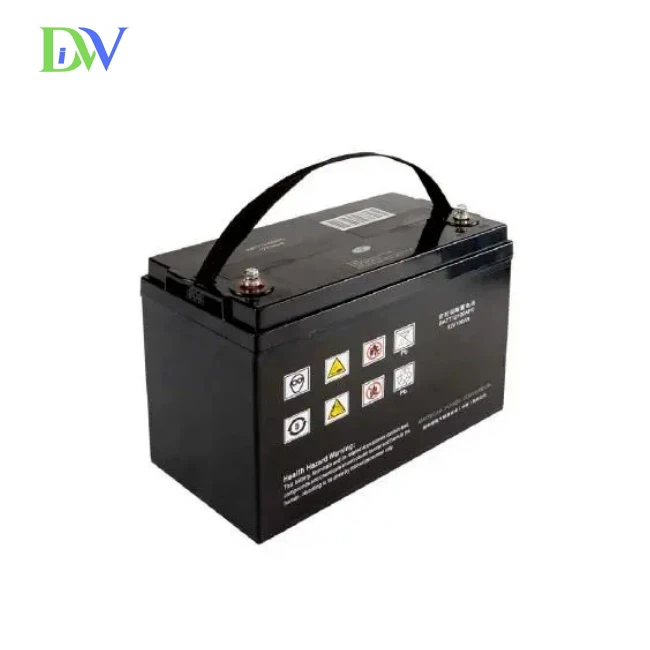
When you're shopping for a portable power pack, you need to consider your budget and your needs. If you only need a power pack for occasional use, like charging your phone on a short trip, you might not need to spend a lot of money on a high - end power pack with a large number of cells. But if you rely on a power pack for critical applications, like emergency backup power for your home or business, it might be worth investing in a more expensive power pack with more cells and better performance.
Conclusion
So, as you can see, the number of battery cells has a significant impact on a portable power pack's performance. It affects the voltage, capacity, run - time, size, weight, heat generation, and cost of the power pack. When choosing a portable power pack, you need to think about your specific needs and applications. Do you need a high - voltage power pack to charge your laptop? Or do you need a high - capacity power pack to power multiple devices for a long time?
If you're interested in purchasing a portable power pack that meets your specific requirements, I'd love to have a chat with you. We can discuss the ideal number of battery cells and other features that will make the power pack perfect for you. Reach out to us to start the procurement process and find the best portable power pack solution for your needs.
References
- Battery University: A great resource for understanding battery technology and performance.
- Industry reports on portable power pack trends and specifications.