

How does the drone's autopilot function affect the lithium battery's consumption?
Jun 19, 2025
Hey there, drone enthusiasts and fellow battery buffs! I'm a supplier of Drone Lithium Batteries, and I've been in this game for quite a while. One question that keeps popping up in my conversations with customers is how the drone's autopilot function affects the lithium battery's consumption. Today, I'm gonna dig deep into this topic and share some insights with you.
First off, let's talk about what autopilot actually does for a drone. Autopilot is like having a super-smart co - pilot on board. It can control the drone's flight path, altitude, and speed automatically. This feature is a game - changer for many drone users, whether they're professional photographers capturing stunning aerial shots or hobbyists exploring the skies.
One of the main ways autopilot affects battery consumption is through flight efficiency. When a drone is flown manually, the pilot might make sudden movements, sharp turns, or erratic altitude changes. These actions require the drone's motors to work harder, which in turn drains the battery faster. On the other hand, autopilot can plan and execute a smooth, optimized flight path. It can maintain a consistent speed and altitude, reducing the energy wasted on unnecessary maneuvers. For example, if you're using a drone for mapping a large area, autopilot can fly in a grid pattern at a steady height, using less power compared to a manually - flown drone that might zig - zag around.
Another factor is the precision of autopilot. It can accurately follow a pre - set route, even in challenging conditions like windy weather. In manual flight, a pilot might struggle to keep the drone on course, constantly adjusting the controls. This constant adjustment means the motors are working harder to counteract external forces. Autopilot, however, can make small, calculated adjustments to keep the drone stable, using less energy in the process.
But it's not all sunshine and rainbows. Autopilot also has its own energy demands. The autopilot system itself requires power to operate. It has sensors, processors, and communication modules that are constantly working to analyze data and make decisions. These components draw a certain amount of current from the battery. So, while autopilot can save energy through efficient flight, it also adds a bit of an energy burden due to its internal operations.
The type of autopilot mode you use can also have a big impact on battery consumption. Some autopilot modes are more energy - intensive than others. For instance, a "follow me" mode, where the drone tracks and follows a moving object, requires the autopilot to constantly recalculate the drone's position and adjust its flight path. This mode needs a lot of processing power and motor activity, which can quickly drain the battery. On the contrary, a simple waypoint - based flight mode, where the drone just flies from one pre - defined point to another, is generally less power - hungry.
Now, let's consider the battery itself. Different lithium batteries have different characteristics, and these can interact with the autopilot function in various ways. High - capacity batteries can provide more power over a longer period, but they might also be heavier. A heavier battery means the drone has to work harder to stay airborne, regardless of whether it's on autopilot or manual flight. So, when choosing a battery for your drone, you need to find a balance between capacity and weight.
Moreover, the quality of the battery also matters. A high - quality lithium battery can deliver a more stable voltage and current, which is crucial for the smooth operation of the autopilot system. A poor - quality battery might experience voltage drops or inconsistent power output, causing the autopilot to malfunction or use more energy to compensate.
As a Drone Lithium Battery supplier, I've seen firsthand how different drones and autopilot systems interact with our batteries. We've done a lot of testing to understand these relationships better. For example, we've tested our batteries with drones using different autopilot software versions. We've found that newer, more optimized autopilot software can sometimes reduce battery consumption even further by making better use of the available power.
If you're in the market for other types of lithium batteries, we also offer a range of options. Check out our Automated Guided Vehicle Battery for industrial applications, Golf Cart Lithium Battery for those leisurely rounds on the course, and Low Speed Electric Vehicle Battery for eco - friendly transportation.
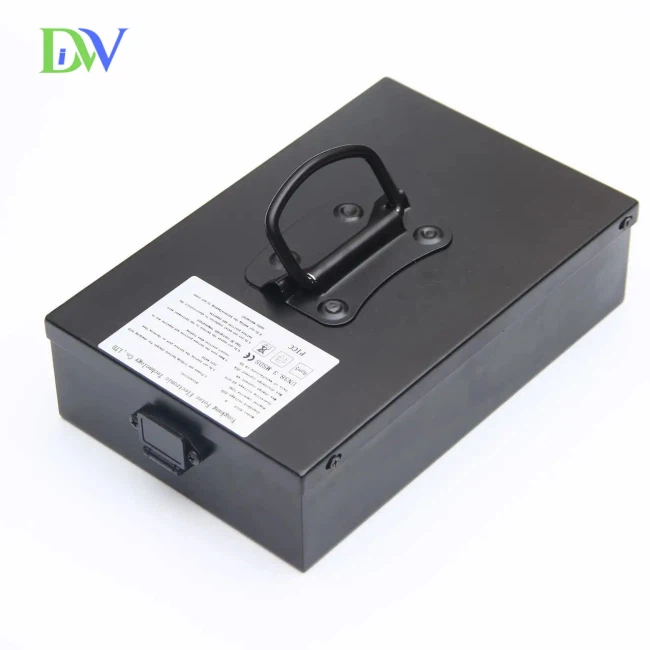

So, if you're looking to optimize your drone's battery life while using autopilot, here are some tips. First, choose the right autopilot mode for your mission. If you don't need a complex mode like "follow me," stick to a simpler one. Second, make sure you have a high - quality battery that matches your drone's requirements. And finally, regularly update your autopilot software to take advantage of the latest energy - saving features.
If you have any questions about our Drone Lithium Batteries or want to discuss how to optimize your battery consumption, don't hesitate to reach out. Whether you're a professional or a hobbyist, we're here to help you get the most out of your drone and its battery. We're always open to chatting about your specific needs and finding the best solutions for you. So, come on and let's start a conversation about powering your drones more efficiently!
References
- "Drone Flight Dynamics and Energy Consumption" - Journal of Unmanned Aerial Systems
- "The Impact of Autopilot Systems on Electric Vehicle Batteries" - Electric Mobility Research Group
- "Lithium Battery Technology for Drones: A Review" - Drone Technology Magazine