

How does the depth of discharge affect a Lithium Ion Ups Battery?
May 12, 2025
The depth of discharge (DoD) plays a crucial role in the performance and lifespan of Lithium Ion UPS (Uninterruptible Power Supply) batteries. As a supplier of Lithium Ion UPS Batteries, I've witnessed firsthand how different depths of discharge can significantly impact these energy storage solutions. In this blog, we'll explore the relationship between DoD and Lithium Ion UPS batteries, and how understanding this relationship can help you make informed decisions for your power backup needs.

Understanding Depth of Discharge
Depth of discharge refers to the percentage of a battery's capacity that has been used relative to its total capacity. For example, if a Lithium Ion UPS battery has a total capacity of 100 amp - hours (Ah) and 50 Ah has been discharged, the DoD is 50%. A lower DoD means that only a small portion of the battery's capacity has been used, while a higher DoD indicates that a larger fraction of the battery's capacity has been depleted.
Effects of Depth of Discharge on Battery Performance
Capacity Fade
One of the most significant effects of DoD on Lithium Ion UPS batteries is capacity fade. When a battery is discharged to a high DoD, the chemical reactions within the battery become more aggressive. Over time, these reactions can cause damage to the battery's electrodes and electrolyte. As a result, the battery's ability to store and deliver energy decreases. Research has shown that repeatedly discharging a Lithium Ion battery to a high DoD (e.g., 80 - 100%) can lead to a more rapid decline in capacity compared to discharging it to a lower DoD (e.g., 20 - 30%).
Cycle Life
Cycle life is defined as the number of charge - discharge cycles a battery can undergo before its capacity drops to a certain level (usually 80% of its original capacity). The DoD has a direct impact on the cycle life of Lithium Ion UPS batteries. A lower DoD generally results in a longer cycle life. For instance, a Lithium Ion battery that is regularly discharged to a DoD of 20% may be able to withstand thousands of charge - discharge cycles, while a battery discharged to a DoD of 80% may only last a few hundred cycles. This is because lower DoD reduces the stress on the battery's internal components, minimizing wear and tear.
Thermal Management
High depths of discharge can also lead to increased heat generation within the battery. When a battery is discharged at a high rate and to a high DoD, the internal resistance of the battery causes energy to be dissipated as heat. Excessive heat can accelerate the degradation of the battery's components and reduce its overall lifespan. In contrast, a lower DoD typically results in less heat generation, making it easier to manage the battery's temperature and maintain optimal operating conditions.
Real - World Applications and Considerations
Communication Base Station Battery
In the context of Communication Base Station Battery, the depth of discharge is of utmost importance. These base stations require reliable power backup to ensure continuous communication services. A high DoD can lead to frequent battery replacements, increasing maintenance costs and the risk of service disruptions. By carefully managing the DoD, operators can extend the lifespan of the Lithium Ion UPS batteries used in these stations, improving the overall reliability and cost - effectiveness of the communication infrastructure.
Low Temperature Lithium Battery
Low Temperature Lithium Battery applications also need to consider the depth of discharge. At low temperatures, the performance of Lithium Ion batteries can be significantly affected. High DoD at low temperatures can further exacerbate the battery's degradation. Therefore, it is essential to limit the DoD in low - temperature environments to maintain the battery's performance and longevity.
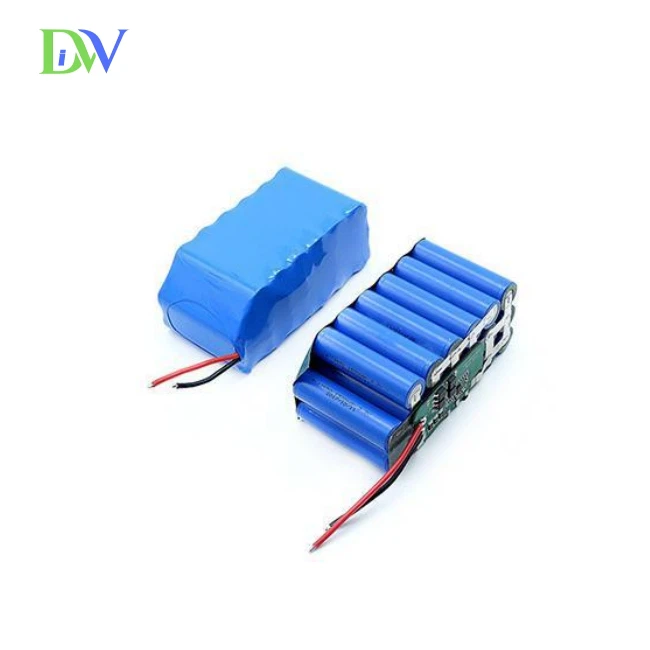
Ups Backup Lithium Battery
For Ups Backup Lithium Battery systems, the depth of discharge can determine the system's ability to provide reliable backup power over an extended period. In a data center or critical industrial application, a sudden battery failure due to high DoD can result in significant data loss or production downtime. By monitoring and controlling the DoD, users can ensure that their UPS systems are always ready to provide backup power when needed.
Strategies for Managing Depth of Discharge
Battery Management Systems (BMS)
A well - designed Battery Management System is crucial for managing the depth of discharge of Lithium Ion UPS batteries. A BMS can monitor the battery's state of charge (SOC), voltage, and temperature in real - time. It can also control the charging and discharging processes to prevent over - discharge and maintain the DoD within a safe range. For example, a BMS can be programmed to stop discharging the battery when the SOC reaches a certain level, protecting the battery from excessive wear.
Load Management
Another strategy for managing DoD is load management. By carefully sizing the UPS system and controlling the connected loads, users can ensure that the battery is not discharged to a high DoD. For instance, if a UPS system is over - sized for the connected load, the battery will experience a lower DoD during normal operation, which can extend its lifespan.
Conclusion
In conclusion, the depth of discharge has a profound impact on the performance, lifespan, and reliability of Lithium Ion UPS batteries. As a supplier, we understand the importance of educating our customers about the effects of DoD and providing them with the tools and solutions to manage it effectively. Whether you are using Communication Base Station Battery, Low Temperature Lithium Battery, or Ups Backup Lithium Battery, proper DoD management is essential for optimizing the performance and longevity of your battery systems.

If you are interested in learning more about our Lithium Ion UPS batteries or need advice on managing the depth of discharge for your specific application, we invite you to contact us for a detailed discussion. Our team of experts is ready to assist you in finding the best energy storage solutions for your needs.
References
- Tarascon, J. M., & Armand, M. (2001). Issues and challenges facing rechargeable lithium batteries. Nature, 414(6861), 359 - 367.
- Zhang, J. - G. (2006). A review on the key issues for lithium - ion battery management in electric vehicles. Journal of Power Sources, 162(2), 670 - 679.
- Broussely, M., Biensan, P., Mauger, A., & Julien, C. M. (2005). Performance and aging mechanisms of Li - ion batteries. Journal of Power Sources, 146(1 - 2), 65 - 71.