

How does internal resistance affect the performance of a power battery?
Sep 09, 2025
Hey there! As a power battery supplier, I've seen firsthand how internal resistance can have a huge impact on a battery's performance. In this blog, I'll break down what internal resistance is, how it affects power batteries, and why it matters to you as a consumer or business owner.

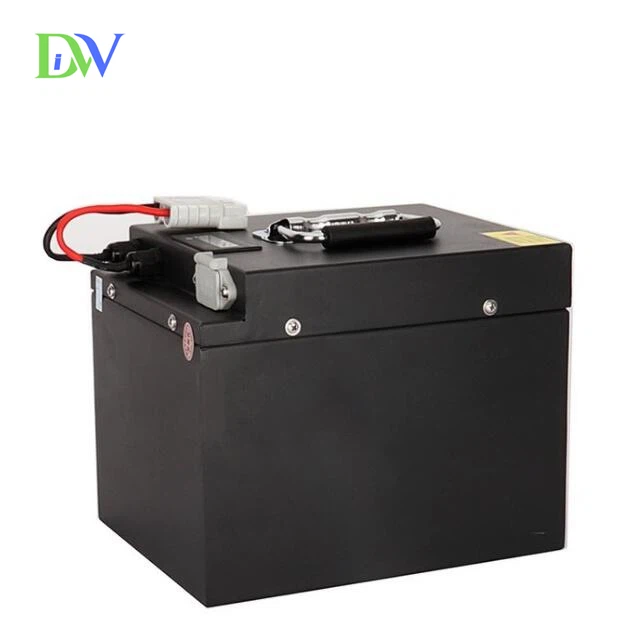
Let's start with the basics. Internal resistance is like the "traffic jam" inside a battery. Every battery has some level of internal resistance, which is essentially the opposition to the flow of electric current within the battery itself. It's caused by a few different factors, including the materials used in the battery, the design of the battery cells, and the temperature at which the battery operates.
Now, you might be wondering, "Why does internal resistance matter?" Well, it matters because it can affect a battery's performance in several key ways.
1. Voltage Drop
One of the most noticeable effects of internal resistance is voltage drop. When you draw current from a battery, the internal resistance causes a voltage drop across the battery terminals. This means that the actual voltage you get from the battery is lower than its nominal voltage. For example, if you have a 48v 60ah Lifepo4 Battery with a nominal voltage of 48 volts, but it has a high internal resistance, the voltage you measure at the terminals might be significantly lower when the battery is under load.
This voltage drop can be a big problem, especially for devices that require a stable voltage to operate properly. Imagine you're using an electric tool that's designed to work at 48 volts. If the battery's internal resistance causes the voltage to drop too much, the tool might not work as efficiently or might even stop working altogether.
2. Energy Loss
Internal resistance also causes energy loss in the form of heat. When current flows through the battery, the internal resistance converts some of the electrical energy into heat. This is known as Joule heating, and it's a waste of energy. The higher the internal resistance, the more energy is lost as heat.
This energy loss not only reduces the overall efficiency of the battery but also affects its lifespan. Excessive heat can damage the battery cells and lead to premature failure. For example, in an Electric Two Wheeler Battery, high internal resistance can cause the battery to heat up quickly during use, which can shorten its range and reduce its overall performance.
3. Charging and Discharging Efficiency
Internal resistance can also affect the charging and discharging efficiency of a battery. During charging, the internal resistance causes a voltage drop, which means that more energy is required to charge the battery to its full capacity. This can increase the charging time and energy consumption.
On the other hand, during discharging, the internal resistance reduces the amount of energy that can be extracted from the battery. This means that the battery might not be able to deliver its full rated capacity, which can be a problem for applications that require a high amount of energy, such as electric vehicles or backup power systems.
4. Battery Life
As mentioned earlier, internal resistance can have a significant impact on the lifespan of a battery. High internal resistance can cause the battery to heat up, which can accelerate the degradation of the battery cells. Over time, this can lead to a decrease in the battery's capacity and performance.
In addition, internal resistance can also cause uneven charging and discharging of the battery cells, which can further shorten the battery's lifespan. For example, in a Lithium Iron Phosphate Power Battery, high internal resistance can cause some cells to charge and discharge faster than others, leading to an imbalance in the battery pack. This imbalance can cause some cells to overcharge or over-discharge, which can damage the cells and reduce the overall lifespan of the battery.
So, how can you reduce the internal resistance of a power battery? Well, there are a few things you can do. First, choose a battery with high-quality materials and a good design. Batteries made with high-conductivity materials and advanced manufacturing processes tend to have lower internal resistance.
Second, make sure to operate the battery within its recommended temperature range. High temperatures can increase the internal resistance of a battery, so it's important to keep the battery cool, especially during charging and discharging.
Finally, use a proper charging and discharging system. Overcharging or over-discharging a battery can increase its internal resistance, so it's important to use a charger and a controller that are designed to work with the battery.
As a power battery supplier, we understand the importance of internal resistance and its impact on battery performance. That's why we're committed to providing our customers with high-quality power batteries that have low internal resistance and excellent performance. Our 48v 60ah Lifepo4 Battery, Electric Two Wheeler Battery, and Lithium Iron Phosphate Power Battery are all designed to meet the highest standards of quality and performance.
If you're in the market for a power battery, whether it's for your electric vehicle, your backup power system, or your electric tool, we'd love to hear from you. We can help you choose the right battery for your needs and provide you with all the information you need to make an informed decision. So, don't hesitate to reach out to us for a quote or to discuss your requirements. We're here to help you get the most out of your power battery.
References
- Linden, D., & Reddy, T. B. (2002). Handbook of Batteries. McGraw-Hill.
- Tarascon, J.-M., & Armand, M. (2001). Issues and challenges facing rechargeable lithium batteries. Nature, 414(6861), 359-367.