

How does elevator backup power work in research facilities?
Jul 01, 2025
Hey there! As a supplier of Elevator Backup Power, I've got a lot of insights into how these systems work, especially in research facilities. So, let's dive right in and explore the ins and outs of elevator backup power in such high - tech environments.
The Importance of Elevator Backup Power in Research Facilities
Research facilities are places where time is of the essence. Scientists and researchers are constantly on the move, transporting delicate equipment, samples, and collaborating across different floors. Elevators are the life - blood of these multi - story buildings. In the event of a power outage, normal elevator operations come to a halt. And this can be a huge problem.
Imagine a researcher who is in the middle of transporting a time - sensitive biological sample. A power outage can lead to the spoilage of the sample, wasting countless hours of work and a significant amount of resources. That's where elevator backup power comes in. It ensures that elevators can continue to operate, at least for a limited time, during a power failure.
How Elevator Backup Power Works
The Basics of Power Supply
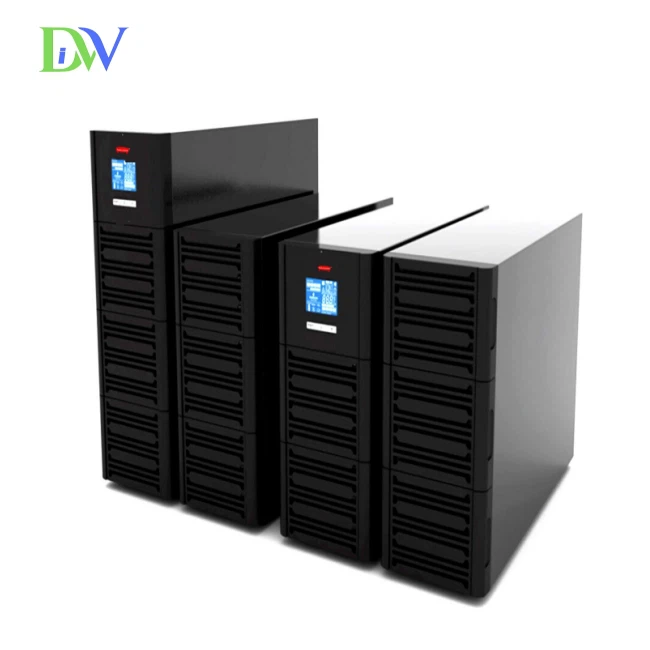
Elevator backup power systems are designed to kick in when the main power supply fails. The core of these systems is often a UPS Energy Storage Battery. This battery is constantly charged when the main power is available. It acts as a reservoir of energy, waiting to be used in case of an emergency.
When the power grid goes down, a transfer switch detects the loss of power. This switch is a crucial component as it quickly and safely transfers the elevator's power source from the main grid to the backup power system. The transition is usually seamless, so passengers inside the elevator may not even notice the change, except for a very brief flicker of lights.
Battery Capacity and Duration
The capacity of the UPS Energy Storage Battery determines how long the elevator can run on backup power. In research facilities, the battery needs to be sized appropriately. It should be able to support the elevator for a sufficient amount of time to allow passengers to reach their destination safely and for researchers to complete any critical transportation tasks.
The duration of backup power depends on several factors. The size and weight of the elevator, the number of floors it serves, and the frequency of use all play a role. For example, a large elevator serving a 10 - story research building with high traffic will require a larger battery than a small elevator in a 3 - story building.
Monitoring and Maintenance
Elevator backup power systems need to be monitored regularly. This includes checking the battery's charge level, the condition of the transfer switch, and the overall functionality of the system. In research facilities, where reliability is key, many backup power systems are equipped with remote monitoring capabilities. This allows facility managers to keep an eye on the system's status from anywhere, at any time.
Regular maintenance is also essential. Batteries have a limited lifespan, and they need to be replaced periodically. The transfer switch and other components should be inspected for wear and tear and tested to ensure they are working correctly.
Special Considerations in Research Facilities
Compatibility with Sensitive Equipment
Research facilities are filled with sensitive equipment that can be affected by power fluctuations. The elevator backup power system needs to be designed in a way that it doesn't cause any interference with this equipment. This means using high - quality power conditioning components to ensure a stable and clean power supply.
For example, some research equipment may be sensitive to electrical noise. The backup power system should be able to filter out any unwanted noise and provide a pure sine wave power output. This ensures that the equipment continues to function correctly, even when the elevator is running on backup power.
Compliance with Safety Regulations
Research facilities are subject to strict safety regulations. The elevator backup power system must comply with all relevant codes and standards. This includes requirements for fire safety, electrical safety, and emergency evacuation procedures.
For instance, the backup power system should be able to support the elevator's emergency lighting and communication systems. In case of an emergency, passengers should be able to see inside the elevator and communicate with the outside world.
The Role of Elevator Backup Power in Emergency Situations
Evacuation Support
In the event of a fire or other emergencies, elevators can be used for evacuation, but only if they have a reliable backup power source. In research facilities, where there may be people with disabilities or those transporting heavy equipment, elevator evacuation can be a crucial option.
The Elevator Backup Power system ensures that the elevator can continue to operate during an emergency, allowing for a more efficient and safe evacuation process. It can transport people to a safe area, such as a designated evacuation floor or the ground level.

Continuity of Operations
Even if there is no immediate danger, a power outage can disrupt the normal operations of a research facility. Elevator backup power helps to maintain some level of continuity. Researchers can continue to move between floors, transporting equipment and samples, which is essential for ongoing experiments and projects.
Why Choose Our Elevator Backup Power Solutions
As a supplier of Elevator Backup Power, we offer a range of benefits. Our systems are designed with the latest technology, ensuring high reliability and efficiency. We use high - quality UPS Energy Storage Batteries that have a long lifespan and can provide a stable power supply.
Our team of experts can help you size the backup power system according to your specific needs. Whether you have a small research lab or a large multi - story research complex, we can provide a customized solution. We also offer comprehensive maintenance and support services to ensure that your elevator backup power system is always in top - notch condition.
Contact Us for Your Elevator Backup Power Needs
If you're looking for a reliable elevator backup power solution for your research facility, we're here to help. Our experience in the industry and our commitment to quality make us the ideal choice. Whether you have questions about the system, need a quote, or want to discuss your specific requirements, don't hesitate to reach out. Let's work together to ensure that your elevators keep running smoothly, even when the power goes out.
References
- Elevator Safety Codes and Standards Handbook
- Research Facility Electrical Systems Guide
- Energy Storage Battery Technology Reports