

How does elevator backup power work in hospitals with critical care units?
Jun 02, 2025
In hospitals with critical care units, the seamless operation of elevators is not just a matter of convenience but a critical factor in ensuring the rapid movement of patients, medical staff, and essential supplies. This is where elevator backup power systems come into play, serving as a reliable safety net during power outages. As a supplier of elevator backup power solutions, I have witnessed firsthand the importance of these systems and understand the intricacies of how they work.
The Significance of Elevator Backup Power in Critical Care Hospitals
Critical care units in hospitals, such as intensive care units (ICUs), neonatal intensive care units (NICUs), and emergency departments, rely heavily on the efficient transportation of patients and medical equipment. Elevators are the lifelines that connect different floors, enabling swift access to specialized treatments and facilities. In the event of a power outage, the normal operation of elevators can be disrupted, potentially endangering the lives of patients who require immediate medical attention.
Elevator backup power systems are designed to address this issue by providing an alternative source of energy to keep the elevators running during power failures. These systems ensure that patients can be transported safely between floors, medical staff can reach their destinations without delay, and essential supplies can be delivered promptly. By maintaining the functionality of elevators, backup power systems contribute to the overall continuity of care in critical care hospitals.
How Elevator Backup Power Systems Work
Elevator backup power systems typically consist of three main components: a power source, a transfer switch, and a control system. Let's take a closer look at each of these components and how they work together to provide reliable backup power for elevators.
Power Source
The power source is the heart of the elevator backup power system. It stores energy that can be used to operate the elevators during a power outage. There are several types of power sources commonly used in elevator backup power systems, including batteries, generators, and Home Solar Backup Battery.
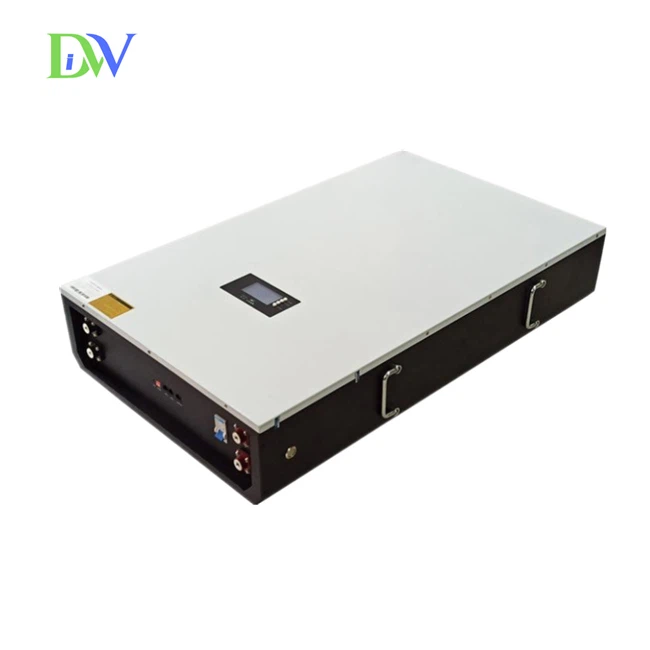
- Batteries: Batteries are a popular choice for elevator backup power systems due to their reliability, compact size, and ability to provide instant power. They can be charged during normal operation and quickly discharge their stored energy when needed. Lithium-ion batteries, in particular, are known for their high energy density, long lifespan, and low maintenance requirements. For example, our Lithium Battery For Camper can also be adapted for elevator backup power applications, offering a reliable and efficient energy storage solution.
- Generators: Generators are another common power source for elevator backup power systems. They can provide a continuous supply of power for an extended period of time, making them suitable for larger hospitals or areas with frequent power outages. Generators can run on various fuels, such as diesel, natural gas, or propane, and are typically connected to the building's electrical system through a transfer switch.
- Home Solar Backup Battery: Home solar backup batteries are an environmentally friendly and cost-effective power source for elevator backup power systems. They store energy generated by solar panels during the day and can be used to power the elevators at night or during a power outage. These batteries are often combined with other power sources, such as generators or batteries, to provide a hybrid backup power solution.
Transfer Switch
The transfer switch is responsible for automatically switching the elevator's power supply from the main grid to the backup power source in the event of a power outage. It monitors the voltage and frequency of the main grid and, when a power failure is detected, quickly transfers the load to the backup power source. This ensures that the elevators continue to operate without interruption.
The transfer switch is designed to be highly reliable and fast-acting. It can detect a power outage within milliseconds and transfer the load to the backup power source in a matter of seconds. This rapid response time is crucial in critical care hospitals, where even a brief interruption in elevator service can have serious consequences.
Control System
The control system is the brain of the elevator backup power system. It manages the operation of the power source, the transfer switch, and the elevators themselves. The control system monitors the status of the power source, the main grid, and the elevators, and makes decisions based on pre-programmed parameters.
For example, the control system can automatically start the generator or activate the batteries when a power outage is detected. It can also monitor the charge level of the batteries and recharge them when necessary. In addition, the control system can communicate with the elevator's control panel to ensure that the elevators operate safely and efficiently during a power outage.
Benefits of Our Elevator Backup Power Solutions
As a leading supplier of elevator backup power solutions, we offer a range of products and services designed to meet the specific needs of critical care hospitals. Our solutions are designed to be reliable, efficient, and easy to install and maintain. Here are some of the benefits of choosing our elevator backup power solutions:
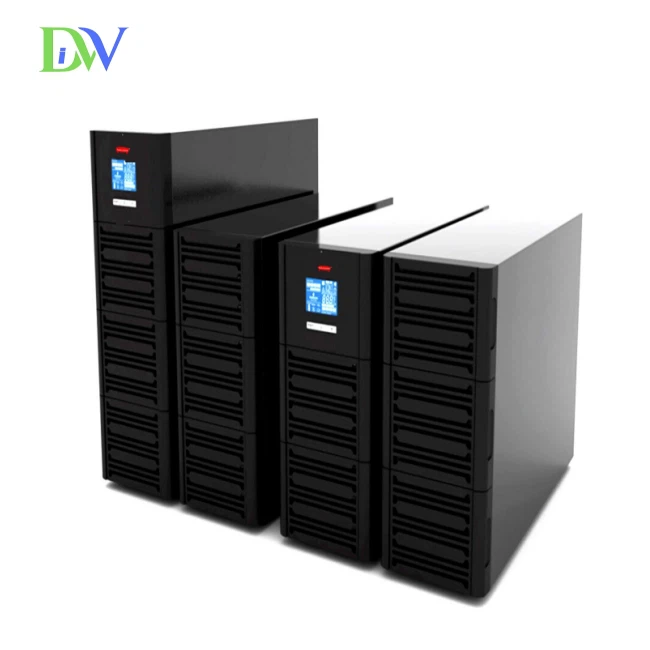
- Reliability: Our elevator backup power systems are built to last. We use high-quality components and advanced technology to ensure that our systems provide reliable backup power in even the most demanding environments. Our UPS Energy Storage Battery is a prime example of our commitment to reliability, offering a stable and consistent power supply for elevator applications.
- Efficiency: Our elevator backup power systems are designed to be energy-efficient, reducing operating costs and minimizing environmental impact. We use the latest battery technology and intelligent control systems to optimize the performance of our systems and ensure that they use energy as efficiently as possible.
- Customization: We understand that every hospital has unique requirements when it comes to elevator backup power. That's why we offer customized solutions that are tailored to the specific needs of each client. Our team of experts will work closely with you to design and install a system that meets your requirements and fits your budget.
- Support: We provide comprehensive support services for our elevator backup power solutions. Our team of technicians is available 24/7 to provide technical assistance, maintenance, and repairs. We also offer training programs to ensure that your staff is trained to operate and maintain the system properly.
Contact Us for Your Elevator Backup Power Needs
If you are looking for a reliable and efficient elevator backup power solution for your critical care hospital, look no further. As a trusted supplier of elevator backup power systems, we have the expertise and experience to provide you with the best possible solution for your needs.
Contact us today to learn more about our elevator backup power solutions and how we can help you ensure the continuity of care in your hospital. Our team of experts will be happy to answer your questions and provide you with a free consultation. Let's work together to keep your elevators running smoothly, even during power outages.
References
- "Elevator Backup Power Systems: A Comprehensive Guide." Elevator World, Inc.
- "Battery Technologies for Elevator Backup Power." Journal of Power Sources.
- "Generator Sizing and Selection for Elevator Backup Power." Electrical Construction & Maintenance.