

How do I replace the battery in a home emergency battery system?
Dec 19, 2025
Hey there! As a supplier of home emergency battery systems, I often get asked about how to replace the battery in these systems. It's a crucial skill, especially when you're relying on these batteries to keep your home powered during an emergency. So, let's dive right in and talk about the steps to replace that battery properly.
First off, why would you need to replace the battery in a home emergency battery system? Well, like all batteries, they have a limited lifespan. Over time, their ability to hold a charge diminishes, and you might notice that your backup power doesn't last as long as it used to. Also, if there's been some damage to the battery, like a leak or physical impact, it's definitely time for a replacement.
Before you start the replacement process, safety is key. Make sure you turn off the power to the entire emergency battery system. This usually involves flipping a switch on the control panel or disconnecting the main power source. You don't want any electrical currents running through the system while you're working on it – that could be really dangerous.
Next, gather all the tools you'll need. You'll probably need a set of screwdrivers, depending on how the battery is secured in the system. Some batteries are held in place with bolts, while others might be in a slide - in tray. You might also want to have a pair of gloves and safety glasses to protect yourself from any battery acid or debris.
Now, let's talk about finding the right replacement battery. As a home emergency battery supplier, I can tell you that it's important to get a battery that's compatible with your system. You can't just grab any old battery off the shelf. Check the specifications of your current battery, including its voltage, capacity (usually measured in amp - hours), and size. You can find this information on a label attached to the battery itself or in the user manual for your emergency battery system.
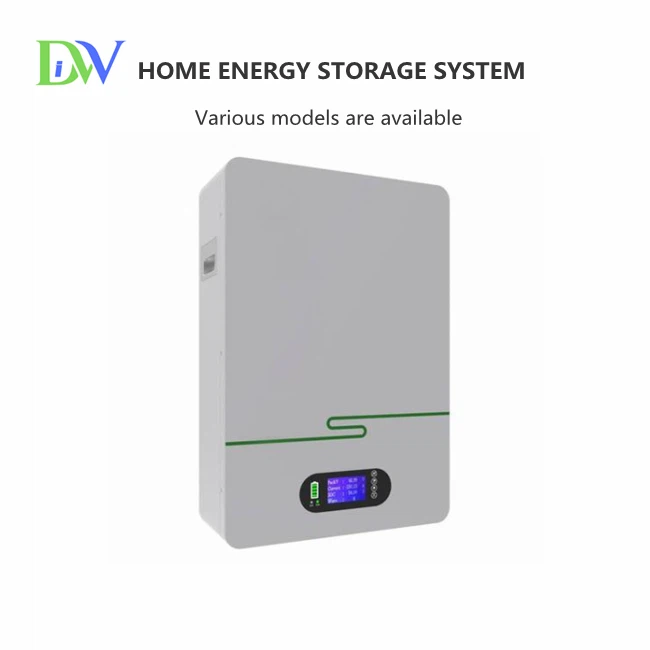
We offer a variety of high - quality batteries that are suitable for home emergency systems. For example, our Home Energy Storage Battery is a great option. It's designed to provide long - lasting power and is built to withstand the demands of emergency situations. Another option is our Solar Street Light Lithium Battery. Although it's named for street lights, it can also be used in some home emergency battery setups, especially if you're looking for a lithium - based option for its high energy density and longer lifespan. And for those who want a high - end solution, our Powerwall Lithium Battery is a top - of - the - line choice that offers excellent performance.
Once you've got the right replacement battery, it's time to start the actual replacement. Begin by carefully removing the old battery from the system. If it's secured with screws or bolts, use your screwdriver to loosen them. Be gentle when pulling the battery out, as some batteries can be quite heavy.
After removing the old battery, take a moment to clean the battery compartment. You can use a dry cloth to wipe away any dust or debris. This will ensure that the new battery makes good contact with the terminals in the system.
Now, carefully place the new battery into the compartment. Make sure it's seated properly and that the terminals on the battery line up with the terminals in the system. If the battery has any tabs or connectors, double - check that they're connected correctly.
Once the battery is in place, secure it. If you removed screws or bolts to take out the old battery, put them back in and tighten them. But don't over - tighten, as this could damage the battery or the system.
After securing the battery, it's time to turn the power back on. Flip the switch on the control panel or reconnect the main power source. You might notice that the system takes a little time to recognize the new battery. It might run some diagnostic tests to make sure everything is working correctly.
It's also a good idea to test the battery system after the replacement. You can do this by simulating a power outage. Some emergency battery systems have a test button that you can press to see if the backup power kicks in. If the system doesn't seem to be working correctly after the battery replacement, double - check all the connections and make sure the battery is properly installed.
In conclusion, replacing the battery in a home emergency battery system isn't too difficult as long as you follow the right steps. Safety should always be your top priority, and make sure you use a compatible battery. If you have any questions or need help finding the right battery for your system, don't hesitate to reach out to us. We're here to help you keep your home powered and safe during emergencies. Whether you're a homeowner looking for a reliable backup power solution or a contractor working on a project, we can provide you with the best batteries and guidance. So, if you're interested in purchasing a home emergency battery or need advice on battery replacement, just let us know. We're eager to assist you in your power storage needs.
References:

- General knowledge on home emergency battery systems from years of experience as a supplier
- User manuals of various home emergency battery systems