

How do I protect a camping lithium battery from overheating?
Jun 27, 2025
As a seasoned supplier of camping lithium batteries, I understand the paramount importance of ensuring these power sources operate at optimal temperatures. Overheating can not only significantly reduce the lifespan of a camping lithium battery but also pose serious safety risks. In this blog, I'll share some practical and scientific ways to protect camping lithium batteries from overheating, based on my years of experience in the industry.
Understanding the Risks of Overheating
Before delving into prevention methods, it's crucial to comprehend why overheating is such a concern for camping lithium batteries. Lithium batteries are known for their high energy density, which makes them ideal for camping applications where space and weight are at a premium. However, this same characteristic also means that they generate a significant amount of heat during charging and discharging.
Excessive heat can cause the battery's internal chemical reactions to accelerate, leading to a breakdown of the battery's components. This can result in reduced capacity, shorter cycle life, and in extreme cases, thermal runaway—a self - sustaining reaction that can lead to fire or explosion.
Selecting the Right Battery
One of the first steps in preventing overheating is choosing a high - quality camping lithium battery. When you're in the market for a battery, look for ones with built - in thermal management systems. These systems can help regulate the battery's temperature by dissipating heat more efficiently.
At our company, we offer a range of camping lithium batteries that are designed with advanced thermal management features. Additionally, we also provide other related products such as Home Energy Storage Battery and Powerwall Home Battery, which are suitable for various energy storage needs.
Proper Installation and Ventilation
Proper installation of the camping lithium battery is essential for heat dissipation. When installing the battery, make sure it is placed in a well - ventilated area. Avoid enclosing the battery in a tight space where heat can accumulate.
For example, if you're using the battery in a camping trailer, install it in a compartment with good air circulation. You can also create ventilation channels around the battery to allow hot air to escape. In addition, ensure that the battery is not in direct contact with other heat - generating components, such as the engine or electrical appliances.
Charging Management
Overcharging is one of the main causes of battery overheating. To prevent this, use a charger that is specifically designed for lithium batteries and has overcharge protection. These chargers are programmed to stop charging once the battery reaches its full capacity.
It's also important to avoid charging the battery at high temperatures. Lithium batteries should be charged in an environment where the temperature is between 0°C and 45°C. Charging at higher temperatures can cause the battery to overheat and damage its internal structure.
Moreover, if you're charging multiple batteries simultaneously, make sure they are properly connected and balanced. Unbalanced charging can lead to uneven heat distribution among the batteries, increasing the risk of overheating.
Discharging Considerations
During discharging, the battery also generates heat. To prevent overheating during use, avoid drawing excessive current from the battery. Check the battery's specifications to determine its maximum discharge current and make sure your camping appliances do not exceed this limit.
For instance, if you're using power - hungry devices like electric heaters or high - wattage lights, try to use them sparingly or in rotation to reduce the load on the battery. Also, monitor the battery's temperature during use. If it feels unusually hot, stop using the battery immediately and allow it to cool down.
Thermal Insulation and Cooling
In some cases, you may need to provide additional thermal insulation or cooling for the battery. Thermal insulation can help protect the battery from external heat sources, such as direct sunlight or hot surfaces. You can use insulating materials like foam or fiberglass to wrap the battery.
On the other hand, active cooling methods can be employed in more extreme conditions. For example, you can use a small fan to blow air over the battery to increase heat dissipation. Some advanced camping lithium batteries, like our Rack Mount Lithium Battery, come with built - in cooling systems that can automatically adjust the cooling rate based on the battery's temperature.
Regular Maintenance and Inspection
Regular maintenance and inspection of the camping lithium battery are crucial for preventing overheating. Check the battery's terminals regularly to ensure they are clean and tight. Loose or corroded terminals can cause resistance, which in turn generates heat.
Inspect the battery's casing for any signs of damage or swelling. A swollen battery is a clear indication of internal problems and should be replaced immediately. Also, monitor the battery's performance over time. If you notice a significant decrease in capacity or an increase in operating temperature, it may be a sign that the battery needs to be serviced or replaced.
Storage Precautions
When storing the camping lithium battery, it's important to keep it in a cool and dry place. The ideal storage temperature for lithium batteries is between 10°C and 30°C. Storing the battery at high temperatures for an extended period can cause irreversible damage to the battery.
Before storing the battery, make sure it is charged to around 50% of its capacity. This helps maintain the battery's health during storage. Additionally, store the battery away from flammable materials and ensure it is protected from physical damage.
Conclusion
Protecting a camping lithium battery from overheating requires a combination of proper selection, installation, charging, discharging, and maintenance practices. By following the tips outlined in this blog, you can ensure that your camping lithium battery operates safely and efficiently, providing you with reliable power during your outdoor adventures.
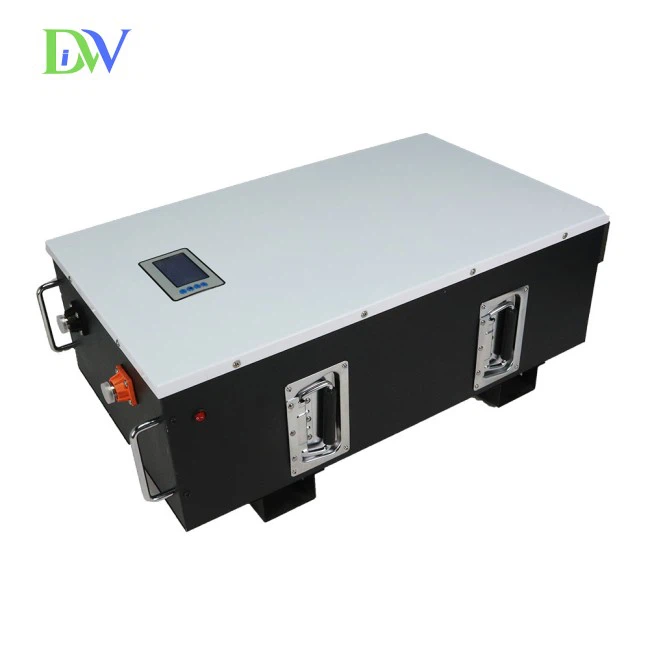

If you're interested in purchasing high - quality camping lithium batteries or other energy storage products, we invite you to contact us for more information and to discuss your specific needs. Our team of experts is always ready to assist you in finding the best solutions for your energy requirements.
References
- Battery University: Lithium - Ion Battery Basics and Safety
- International Electrotechnical Commission (IEC) Standards for Lithium Batteries
- Manufacturer's Manuals for Camping Lithium Batteries