

How do I handle a scooter lithium battery that has been damaged?
Dec 22, 2025
As a supplier of scooter lithium batteries, I often encounter various issues related to damaged batteries. Handling a damaged scooter lithium battery requires a careful and scientific approach to ensure safety and proper disposal. In this blog post, I'll share my insights on how to handle such situations effectively.
Identifying the Damage
The first step in handling a damaged scooter lithium battery is to identify the type and extent of the damage. There are several common types of damage that can occur to lithium batteries:
- Physical Damage: This includes dents, punctures, or cracks in the battery casing. Physical damage can expose the internal components of the battery, leading to short - circuits or electrolyte leakage.
- Overheating: If a battery has been overcharged, discharged too quickly, or exposed to high temperatures, it may overheat. Overheating can cause the battery to swell, which is a sign of internal damage.
- Capacity Loss: Over time, lithium batteries naturally lose their capacity. However, if a battery suddenly loses a significant amount of its capacity, it could be a sign of damage.
When you suspect a battery is damaged, it's important to take immediate action. Do not continue to use a visibly damaged battery, as it can pose a serious safety risk.
Safety Precautions
Before attempting to handle a damaged scooter lithium battery, it's crucial to take appropriate safety precautions. Lithium batteries can be dangerous if mishandled, as they contain flammable electrolytes and can cause fires or explosions.
- Wear Protective Gear: Always wear safety goggles, gloves, and a face mask when handling a damaged battery. This will protect you from any potential chemical splashes or fumes.
- Work in a Well - Ventilated Area: Ensure that you are working in a well - ventilated space to avoid inhaling any harmful gases that may be released from the battery.
- Keep Fire Extinguishers Nearby: Have a fire extinguisher rated for lithium battery fires (such as a Class D fire extinguisher) nearby in case of an emergency.
Temporary Storage
If you can't immediately dispose of or repair a damaged battery, you need to store it safely. Place the damaged battery in a fire - resistant container, such as a metal box lined with fire - retardant material. Keep the container in a cool, dry place away from heat sources, direct sunlight, and other flammable materials.
Repair or Replacement
Depending on the type and extent of the damage, you may be able to repair the battery or you may need to replace it.
- Repair: Minor physical damage, such as a loose connection, can sometimes be repaired. However, this should only be attempted by a qualified technician. If you're not experienced in battery repair, it's best to leave it to the professionals. When repairing a battery, make sure to use the correct tools and follow all safety procedures.
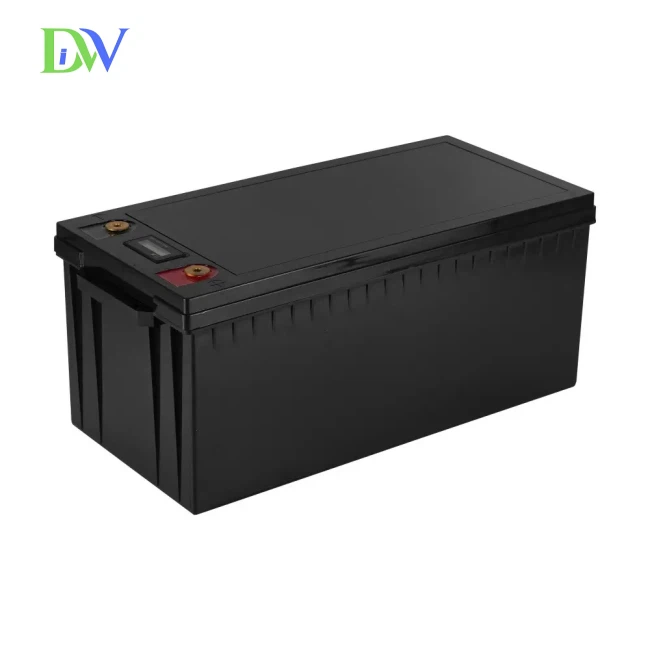
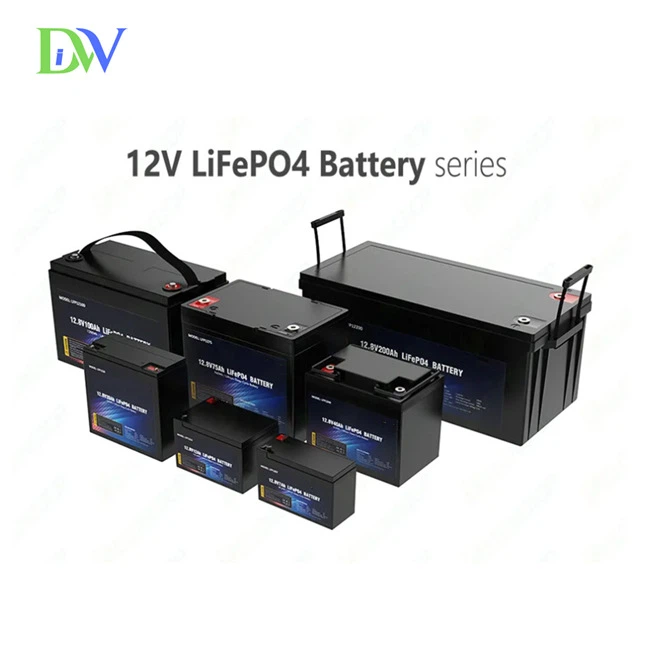
- Replacement: In many cases, a severely damaged battery cannot be repaired and needs to be replaced. As a scooter lithium battery supplier, I offer a wide range of high - quality replacement batteries, such as the 24v 100ah Lifepo4 Battery, 12v Lithium Battery Pack, and 12v 50ah Lifepo4 Battery. These batteries are designed to provide reliable performance and long service life.
Proper Disposal
When a battery is beyond repair, it must be disposed of properly. Lithium batteries are considered hazardous waste and should not be thrown in the regular trash.
- Recycling Centers: Look for local recycling centers that accept lithium batteries. These centers have the equipment and expertise to safely recycle the battery and recover valuable materials.
- Manufacturer Take - Back Programs: Some battery manufacturers offer take - back programs where you can return damaged batteries for proper disposal. Contact the manufacturer of your scooter lithium battery to see if they have such a program.
Preventive Measures
To reduce the risk of battery damage, it's important to take preventive measures when using and maintaining your scooter lithium battery.
- Proper Charging: Always use the charger recommended by the battery manufacturer. Overcharging or undercharging can damage the battery and reduce its lifespan.
- Avoid Extreme Temperatures: Lithium batteries perform best in a moderate temperature range. Avoid exposing the battery to extreme heat or cold, as this can cause damage.
- Regular Inspections: Periodically inspect your battery for signs of damage, such as swelling, leaks, or corrosion. Catching damage early can prevent more serious problems from occurring.
Conclusion
Handling a damaged scooter lithium battery requires a combination of safety awareness, proper identification, and appropriate action. As a supplier, I understand the importance of providing customers with not only high - quality batteries but also the knowledge to handle them safely. Whether you need a replacement battery or advice on handling a damaged one, I'm here to help.
If you're interested in purchasing high - quality scooter lithium batteries or have any questions about battery handling, please feel free to contact me for procurement discussions. I'm committed to providing the best products and services to meet your needs.
References
- Battery University. (2023). Lithium - Ion Battery Safety.
- International Electrotechnical Commission. (2022). Safety Requirements for Portable Lithium - Ion Batteries and Battery Packs for Use in Portable Electronic Equipment.
- U.S. Environmental Protection Agency. (2023). Battery Recycling.