

How do I ensure the proper ventilation for a scooter lithium battery during charging?
Oct 15, 2025
As a supplier of scooter lithium batteries, ensuring proper ventilation during the charging process is of utmost importance. In this blog post, I will share some insights on how to guarantee the right ventilation for scooter lithium batteries during charging, which not only enhances battery performance but also extends its lifespan.
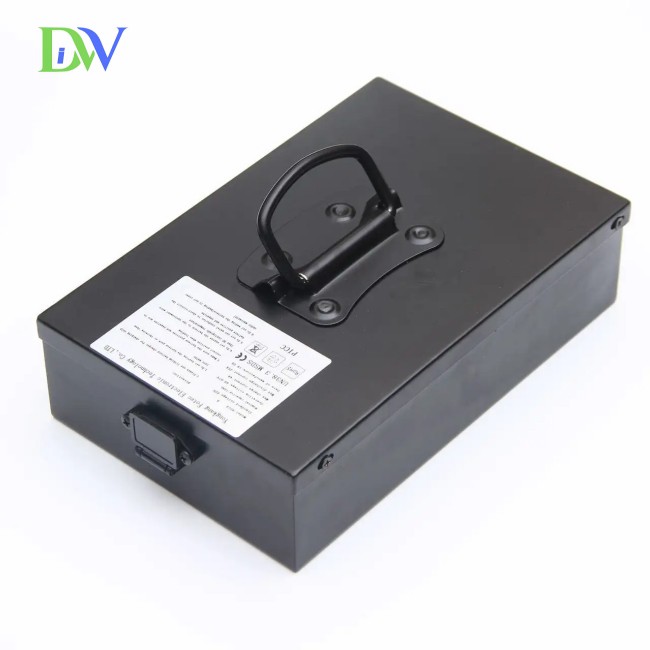
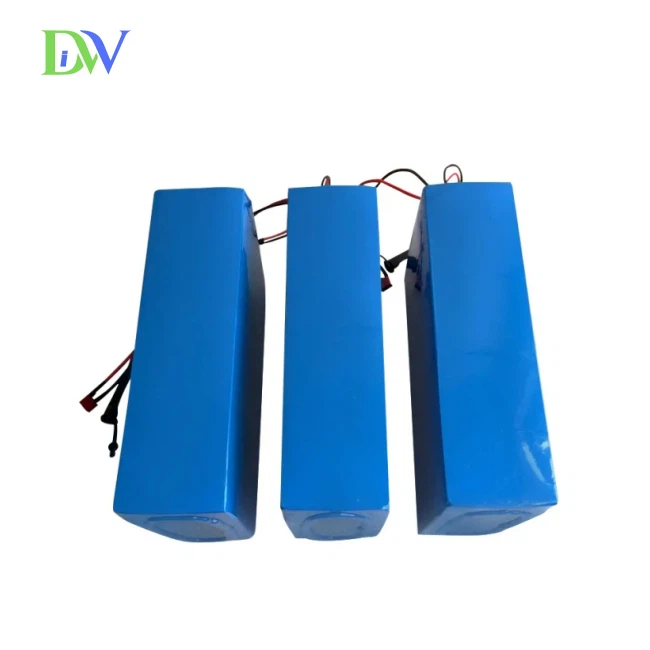
Understanding the Importance of Ventilation for Scooter Lithium Batteries
Lithium batteries generate heat during the charging process. If this heat is not dissipated effectively, it can lead to a series of problems. High temperatures can accelerate the degradation of the battery's internal components, reducing its capacity and overall lifespan. Moreover, excessive heat can increase the risk of thermal runaway, a dangerous condition where the battery's temperature rises uncontrollably, potentially leading to fire or explosion.
Proper ventilation helps to maintain a stable temperature within the battery, ensuring that it operates within a safe and optimal range. By allowing fresh air to circulate around the battery, heat can be dissipated more efficiently, preventing overheating and its associated risks.
Factors Affecting Ventilation
Several factors can influence the ventilation of scooter lithium batteries during charging. These include the charging environment, the design of the battery pack, and the charging equipment used.
Charging Environment
The location where the battery is charged plays a crucial role in ventilation. It is recommended to charge the battery in a well - ventilated area, such as an open garage or a room with good air circulation. Avoid charging the battery in enclosed spaces, such as closets or small cabinets, as these areas can trap heat and prevent proper ventilation.
The ambient temperature of the charging environment also matters. Charging the battery in extremely hot or cold conditions can affect its performance and ventilation. Ideally, the charging temperature should be between 20°C and 40°C (68°F - 104°F).
Battery Pack Design
The design of the battery pack can either facilitate or hinder ventilation. A well - designed battery pack should have adequate space for air to flow around the individual cells. Some battery packs are equipped with ventilation channels or fins that help to increase the surface area for heat dissipation.
When choosing a scooter lithium battery, look for a design that prioritizes ventilation. For example, our Long Life Lithium Battery is designed with advanced ventilation features to ensure efficient heat dissipation during charging.
Charging Equipment
The type of charger used can also impact ventilation. A high - quality charger with proper heat management features can help to reduce the amount of heat generated during charging. Chargers with built - in cooling fans or heat sinks can dissipate heat more effectively, improving the overall ventilation of the charging system.
It is important to use a charger that is specifically designed for your scooter lithium battery. Using an incompatible charger can lead to overcharging, overheating, and poor ventilation. Our Two Wheeler Rechargeable Battery comes with a charger that is optimized for efficient charging and ventilation.
Practical Tips for Ensuring Proper Ventilation
Here are some practical tips to ensure proper ventilation for scooter lithium batteries during charging:
Clear the Surroundings
Before charging the battery, make sure there are no obstacles around it. Remove any objects that may block the airflow, such as clothing, papers, or other electronic devices. This allows fresh air to circulate freely around the battery.
Elevate the Battery
Placing the battery on a raised surface can improve ventilation. You can use a wooden board or a metal rack to elevate the battery slightly. This creates a gap between the battery and the surface, allowing air to flow underneath and around the battery.
Use a Fan
If the charging area has poor air circulation, you can use a small fan to improve ventilation. Position the fan in such a way that it blows air directly over the battery. This helps to increase the airflow and dissipate heat more quickly.
Monitor the Temperature
Regularly check the temperature of the battery during charging. You can use an infrared thermometer to measure the surface temperature of the battery. If the temperature exceeds the recommended range, stop the charging process immediately and allow the battery to cool down.
The Role of Battery Management System (BMS)
A Battery Management System (BMS) is an essential component of a scooter lithium battery. It monitors and controls various aspects of the battery, including temperature, voltage, and current. A good BMS can help to ensure proper ventilation by regulating the charging process based on the battery's temperature.
For example, if the BMS detects that the battery is overheating, it can reduce the charging current or even stop the charging process to prevent further temperature increase. Our 36v 10ah Lifepo4 Battery is equipped with a state - of - the - art BMS that provides reliable temperature management and ventilation control.
Conclusion
Proper ventilation is crucial for the safe and efficient charging of scooter lithium batteries. By understanding the factors that affect ventilation, following practical tips, and using high - quality batteries and chargers with advanced ventilation features, you can ensure that your scooter lithium battery operates at its best.
If you are in the market for high - quality scooter lithium batteries that prioritize ventilation and performance, we are here to help. Our range of products is designed to meet the highest standards of quality and safety. Contact us to start a procurement discussion and find the perfect battery solution for your needs.
References
- Battery University: Lithium - Ion Basics. Available at Battery University website.
- International Electrotechnical Commission (IEC) standards for lithium battery safety.
- Research papers on lithium battery thermal management and ventilation.