

Does the size of the drone affect the type of lithium battery it needs?
Jun 18, 2025
In the ever - evolving world of drones, one of the most critical components is the lithium battery. As a Drone Lithium Battery supplier, I've encountered numerous inquiries regarding the relationship between the size of the drone and the type of lithium battery it requires. This blog aims to delve deep into this topic, providing you with a comprehensive understanding of how drone size impacts battery selection.
The Basics of Drone Sizes and Their Applications
Drones come in a wide range of sizes, each tailored for specific applications. Micro - drones, often no larger than the palm of your hand, are typically used for indoor flights, educational purposes, or simple recreational activities. Their small size allows for easy maneuverability in confined spaces. Mini - drones are slightly larger and can be used both indoors and outdoors. They are popular among hobbyists and are often equipped with basic camera capabilities.
Medium - sized drones are more versatile. They can carry heavier payloads, such as high - definition cameras, and are commonly used for aerial photography, mapping, and inspection tasks. Large drones, on the other hand, are designed for more demanding applications. They can carry significant payloads over long distances and are used in industries like agriculture, delivery services, and search - and - rescue operations.
How Drone Size Affects Battery Requirements
Power Consumption
One of the primary factors affected by drone size is power consumption. Larger drones generally have more motors, larger propellers, and additional equipment, which all contribute to higher power requirements. For instance, a large agricultural drone needs to carry heavy spraying equipment and fly for extended periods over large fields. This requires a battery that can supply a high amount of power continuously.
In contrast, a micro - drone has smaller motors and less complex electronics, resulting in lower power consumption. A smaller battery with a lower capacity and discharge rate can meet its energy needs. As a Drone Lithium Battery supplier, I've noticed that customers of micro - drones often prefer compact and lightweight batteries to maintain the agility of their drones.
Flight Time
Flight time is another crucial aspect influenced by drone size. Smaller drones usually have shorter flight times due to their limited battery capacity. The small size of these drones restricts the amount of space available for the battery. For example, a micro - drone might only be able to fly for a few minutes on a single charge.
Larger drones, with more space for batteries, can accommodate larger and higher - capacity batteries. This allows them to fly for longer periods. However, it's important to note that flight time also depends on other factors such as payload weight, wind conditions, and flight speed. As a supplier, I often work with customers to select the right battery to achieve the desired flight time for their specific drone applications.
Physical Dimensions and Weight
The physical dimensions and weight of the battery must also match the drone's size. A large drone can easily accommodate a bulky and heavy battery without significant impact on its flight performance. In fact, some large drones are designed to carry multiple batteries to extend their flight range.
On the other hand, a small drone requires a lightweight and compact battery. A heavy or oversized battery can make the drone difficult to control and may even prevent it from taking off. When selecting a battery for a small drone, it's essential to consider the battery's energy density, which is the amount of energy stored per unit volume or weight.
Different Types of Lithium Batteries for Drones
Lithium - Polymer (Li - Po) Batteries
Li - Po batteries are the most commonly used type of battery in drones. They are lightweight, have a high energy density, and can provide a high discharge rate. This makes them suitable for drones of all sizes, especially those that require high - power bursts, such as racing drones.
For small drones, Li - Po batteries can be designed in very small form factors, allowing them to fit into the limited space available. For larger drones, Li - Po batteries can be configured in series or parallel to increase the voltage and capacity as needed.
Lithium - Ion (Li - Ion) Batteries
Li - Ion batteries are another option for drones. They are known for their long cycle life and relatively high energy density. However, they generally have a lower discharge rate compared to Li - Po batteries. This makes them more suitable for drones that do not require sudden high - power outputs, such as mapping drones that fly at a constant speed.
As a Drone Lithium Battery supplier, I often recommend Li - Ion batteries for medium - sized drones that need a balance between energy storage and a stable power supply.
Special Considerations for Different Drone Sizes
Micro and Mini Drones
For micro and mini drones, the focus is on minimizing weight and size while still providing sufficient power. These drones often use small Li - Po batteries with low capacities, typically in the range of 100 - 500 mAh. The low capacity is compensated by the low power consumption of these drones.

In addition, these drones may require batteries with a high discharge rate to support quick acceleration and maneuverability. As a supplier, I offer a variety of small - sized Li - Po batteries specifically designed for micro and mini drones.
Medium - Sized Drones
Medium - sized drones require a more balanced approach. They need a battery with enough capacity to provide a reasonable flight time but also a high enough discharge rate to support dynamic flight maneuvers. Li - Po and Li - Ion batteries are both viable options for medium - sized drones.
The choice between the two depends on the specific application of the drone. For example, a medium - sized aerial photography drone may benefit from a Li - Ion battery for its stable power output, while a medium - sized racing drone may require a Li - Po battery for its high - power capabilities.
Large Drones
Large drones have the most demanding battery requirements. They need high - capacity batteries that can supply a large amount of power over an extended period. Multiple batteries may be used in parallel or series to meet the power and voltage requirements.
Li - Po batteries are often the preferred choice for large drones due to their high energy density and high discharge rate. However, the battery management system becomes crucial to ensure the safe and efficient operation of the batteries. As a supplier, I provide customized battery solutions for large drones, including advanced battery management systems.
Related Battery Products
In addition to drone lithium batteries, we also offer a range of other lithium - based battery products. Our Low Speed Electric Vehicle Battery is designed to provide reliable power for low - speed electric vehicles, offering a balance between energy storage and cost - effectiveness.
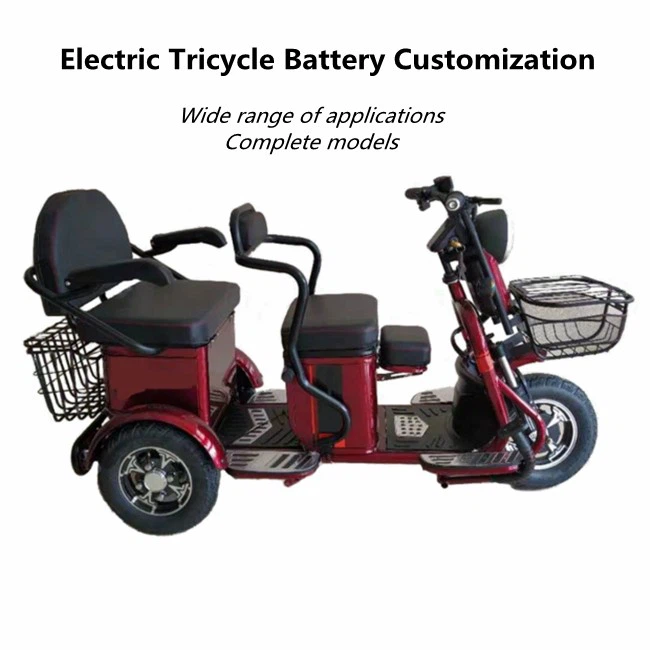
Our AGV Lithium Battery is tailored for Automated Guided Vehicles (AGVs), ensuring stable and long - lasting power for these industrial robots. And our Electric Trike Lithium Battery is optimized for electric trikes, providing high - performance power for a smooth and enjoyable ride.
Conclusion
In conclusion, the size of the drone has a significant impact on the type of lithium battery it needs. From power consumption and flight time to physical dimensions and weight, every aspect of the drone's operation is influenced by its size, which in turn dictates the battery requirements.
As a Drone Lithium Battery supplier, I understand the unique needs of different drone sizes and applications. We offer a wide range of lithium batteries, including Li - Po and Li - Ion batteries, to meet the diverse requirements of our customers. Whether you are a hobbyist flying a micro - drone or a professional using a large industrial drone, we can provide you with the right battery solution.
If you are in the market for drone lithium batteries or any of our other related battery products, we invite you to contact us for a procurement discussion. Our team of experts is ready to assist you in selecting the most suitable battery for your specific needs.
References
- [1] “Battery Technology for Unmanned Aerial Vehicles,” Journal of Power Sources, Volume 250, 2014.
- [2] “A Review of Lithium - Ion Battery Safety Issues,” Chemical Reviews, Volume 114, Issue 23, 2014.
- [3] “Advances in Lithium - Polymer Batteries for Aerospace Applications,” Aerospace Science and Technology, Volume 31, 2014.