

Do UPS backup lithium batteries generate heat during charging and discharging?
Oct 08, 2025
Do UPS backup lithium batteries generate heat during charging and discharging?
As a supplier of Ups Backup Lithium Batteries, I often encounter questions from customers about the performance and characteristics of these batteries. One of the most common queries is whether UPS backup lithium batteries generate heat during charging and discharging. In this blog post, I'll delve into this topic to provide you with a comprehensive understanding.
The Basics of Lithium - Ion Batteries in UPS Systems
Lithium - ion batteries have become the go - to choice for UPS (Uninterruptible Power Supply) systems due to their high energy density, long lifespan, and low self - discharge rate. In a UPS, these batteries serve as a critical power source during outages, ensuring that essential equipment continues to operate without interruption.
When it comes to the charging and discharging processes, it's important to understand the underlying electrochemical reactions. During charging, lithium ions move from the cathode to the anode through the electrolyte. When discharging, the reverse occurs, and lithium ions flow back to the cathode, releasing electrical energy. These ion movements are accompanied by chemical reactions that involve the transfer of electrons, which is what ultimately powers the connected devices.
Heat Generation During Charging
Yes, UPS backup lithium batteries do generate heat during charging. There are several reasons for this. Firstly, internal resistance plays a significant role. Every battery has an internal resistance, and when current flows through it during charging, according to Joule's law (Q = I²Rt, where Q is the heat generated, I is the current, R is the resistance, and t is the time), heat is produced. The higher the charging current and the internal resistance of the battery, the more heat will be generated.
Secondly, the electrochemical reactions themselves are not 100% efficient. Some of the electrical energy is converted into heat energy as a by - product of the chemical processes taking place inside the battery. For example, the intercalation and de - intercalation of lithium ions in the electrodes involve energy losses in the form of heat.
The amount of heat generated also depends on the charging rate. Fast - charging technologies, which are becoming more popular as they can significantly reduce charging times, often lead to more heat production. This is because a higher current is applied during fast charging, increasing the I²R losses and the intensity of the electrochemical reactions.
Heat Generation During Discharging
Similar to charging, heat is also generated during the discharging process. When the battery supplies power to the connected load, current flows through the internal resistance of the battery, resulting in heat generation according to Joule's law. The load characteristics also affect heat production. If the load has a high power demand, it will draw a large current from the battery, increasing the heat generated.
Moreover, as the battery discharges, the electrochemical reactions continue, and the inefficiencies in these reactions contribute to heat generation. For instance, the movement of lithium ions back to the cathode and the associated chemical reactions are not perfectly efficient, and some energy is lost as heat.
The Impact of Heat on Battery Performance and Safety
Excessive heat can have a negative impact on the performance and safety of UPS backup lithium batteries. High temperatures can accelerate the degradation of the battery's electrodes and electrolyte. This can lead to a reduced battery capacity over time, meaning that the battery will not be able to store as much energy as it could when it was new.
In terms of safety, overheating can pose a serious risk. Lithium - ion batteries are sensitive to high temperatures, and if the temperature rises too high, it can trigger thermal runaway. Thermal runaway is a self - sustaining reaction where the heat generated inside the battery causes further chemical reactions that produce even more heat, leading to a rapid increase in temperature and potentially resulting in a fire or explosion.
Managing Heat in UPS Backup Lithium Batteries
To mitigate the negative effects of heat, proper thermal management is essential. Many UPS systems are equipped with cooling mechanisms. These can include passive cooling methods such as heat sinks, which are designed to absorb and dissipate heat from the battery. Active cooling methods, such as fans or liquid cooling systems, are also used in more advanced UPS setups.
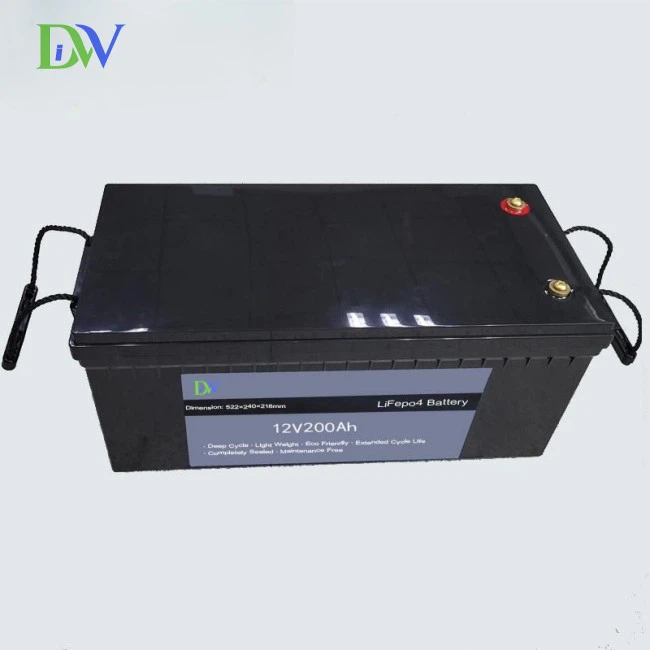

Another approach is to control the charging and discharging processes. By carefully regulating the charging current and voltage, the amount of heat generated can be minimized. For example, some UPS systems use a multi - stage charging algorithm that adjusts the charging parameters based on the battery's state of charge and temperature.
Applications and Considerations
UPS backup lithium batteries have a wide range of applications. For those who are looking for Battery Backup For RV, these batteries can provide reliable power during camping trips or when there is no access to the grid. In the context of RVs, heat management becomes even more crucial as the battery may be exposed to high ambient temperatures.
In data centers, Ups Backup Lithium Battery systems are used to protect critical IT infrastructure from power outages. Here, strict temperature control is necessary to ensure the long - term reliability and performance of the batteries.
Solar power systems often use Solar Backup Batteries to store excess energy generated during the day for use at night or during cloudy days. Heat management in these applications is also important, especially in regions with high solar irradiance where the batteries may be exposed to high temperatures.
How to Choose the Right UPS Backup Lithium Battery
When selecting a UPS backup lithium battery, it's important to consider the battery's thermal management capabilities. Look for batteries that have built - in temperature sensors and protection circuits. These features can help monitor the battery's temperature and prevent overheating.
Also, consider the battery's power rating and capacity in relation to your specific application. If you have a high - power load, you'll need a battery that can handle the current draw without overheating. Additionally, check the manufacturer's specifications regarding the operating temperature range of the battery. A battery with a wider operating temperature range will be more suitable for environments with fluctuating temperatures.
Conclusion
In conclusion, UPS backup lithium batteries do generate heat during charging and discharging due to internal resistance and the inefficiencies of electrochemical reactions. While this heat generation is a natural phenomenon, it can have a negative impact on battery performance and safety if not properly managed. By understanding the causes of heat generation and implementing effective thermal management strategies, we can ensure the long - term reliability and safety of these batteries.
If you are in the market for high - quality UPS backup lithium batteries, we are here to help. Our company offers a wide range of UPS backup lithium batteries that are designed with advanced thermal management features to ensure optimal performance and safety. Whether you need a battery for an RV, a data center, or a solar power system, we have the right solution for you. Contact us to discuss your specific requirements and start a procurement negotiation.
References
- "Lithium - Ion Batteries: Science and Technologies" by Y. - K. Sun, S. - T. Myung, and B. Scrosati.
- "Battery Management Systems: Design by Modelling" by J. Hu, G. Cao, and L. Xia.
- Research papers on lithium - ion battery thermal management published in journals such as Journal of Power Sources.