

Do Ebike Lithium Batteries require special storage conditions?
Jan 15, 2026
Yo, what's up, fellow e-bike enthusiasts and business peeps! I'm an e-bike lithium battery supplier, and I get a ton of questions about the best way to store these batteries. You might be thinking, "Do e-bike lithium batteries require special storage conditions?" Well, buckle up, 'cause I'm gonna dive deep into this topic and give you all the deets.
First off, let's talk about why proper storage is a big deal. E-bike lithium batteries are the heart and soul of your ride. Whether you're cruising around town on an electric trike or using a forklift for your business, these batteries power up your machines. But if you don't store them right, you could end up with reduced battery life, performance issues, or even safety hazards.
So, do they need special storage conditions? The short answer is yes. Lithium batteries are sensitive little things, and they need the right environment to stay in tip - top shape.
Temperature Matters
One of the most crucial factors in battery storage is temperature. Lithium batteries don't like extreme heat or cold. In high temperatures, the battery's internal chemical reactions speed up, which can cause the battery to degrade faster. On the flip side, cold temperatures can reduce the battery's capacity and make it harder for it to deliver power.
The ideal temperature range for storing e - bike lithium batteries is between 20°C and 25°C (68°F - 77°F). If you're living in a place with super hot summers or freezing winters, you might need to find a climate - controlled storage space. It could be a home basement, a storage unit with temperature control, or even a special cabinet in your office or garage.
Let's say you have a 36v 10ah Lifepo4 Battery. If you leave it in a hot shed during summer, the high temperature can cause the battery to lose its capacity over time. And if you try to use it after long - term exposure to heat, you might notice that it doesn't last as long as it used to.
State of Charge
Another important aspect is the state of charge (SOC) when storing the battery. You don't want to store a lithium battery fully charged or completely drained. A fully charged battery can be under stress during storage, which might lead to over - discharging in the long run. And a completely drained battery can have sulfation issues, which are bad news for its lifespan.
The recommended state of charge for long - term storage is around 50%. Before you put your battery away for a while, charge it to about half capacity. This gives the battery a good balance and reduces the stress on its cells.
For example, if you have an Electric Trike Lithium Battery that you're not going to use for a few months, make sure it's at 50% charge before storing it. When you're ready to use it again, you can charge it up fully, and it should perform just as well as before.
Humidity and Moisture
Humidity and moisture are also enemies of lithium batteries. High humidity can cause corrosion on the battery terminals, which can affect the battery's performance. And if moisture gets inside the battery pack, it can short - circuit the cells, leading to a damaged battery.
To protect your batteries from humidity and moisture, store them in a dry place. You can use a dehumidifier in your storage area if necessary. Also, make sure the battery is well - sealed. If you notice any signs of moisture on the battery, like water droplets or a foggy appearance, wipe it off immediately and inspect the battery for damage.

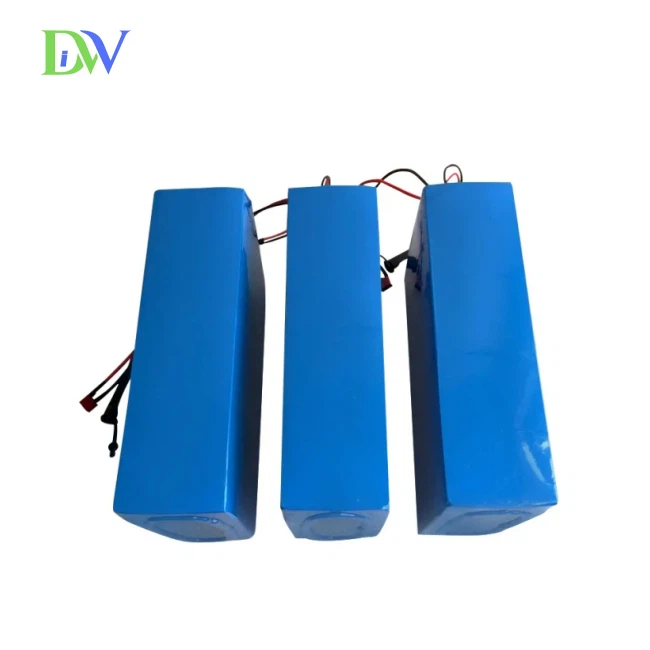
Let's think about a Forklift Lithium Battery used in a warehouse. Warehouses can sometimes be damp, especially in areas with poor ventilation. If you store the forklift battery in such a place, the humidity can take a toll on it. So, find a dry and well - ventilated corner to keep your battery safe.
Storage Containers and Protection
Investing in a good storage container for your e - bike lithium batteries is a smart move. A proper container can protect the battery from physical damage, dust, and other environmental factors. You can use plastic bins, metal cases, or even specialized battery storage cabinets.
Make sure the container is big enough to allow some air circulation around the battery. Don't overcrowd the container with other items, as this can lead to heat build - up. And if you're transporting the battery in the container, ensure it's well - padded to prevent it from moving around and getting damaged.
Regular Checks
Even when your batteries are in storage, you should do regular checks on them. Every few months, take a look at the battery's state of charge, check for any signs of damage like swelling or leaks, and make sure the terminals are clean.
If you find that the battery's charge has dropped significantly during storage, recharge it to the recommended 50% charge. And if you notice any signs of damage, it's best to contact a professional for advice.
Why Proper Storage is Crucial for Your Business
As a business owner or someone in the e - bike industry, proper battery storage is not just about keeping your batteries healthy. It's also about saving money. When you store your batteries correctly, you extend their lifespan, which means you don't have to replace them as often.
For example, if you're a forklift operator and you have a fleet of forklifts powered by lithium batteries, storing the batteries right can save you a ton of money on replacements. And if you're an e - bike rental business, well - stored batteries mean a better customer experience, as your bikes will have longer - lasting power.
Conclusion
So, to answer the question "Do e - bike lithium batteries require special storage conditions?" - absolutely! Temperature, state of charge, humidity, and physical protection all play important roles in keeping your batteries in good shape.
If you're in the market for high - quality e - bike lithium batteries or have questions about storage and maintenance, feel free to get in touch with us. We're here to help you make the most out of your batteries and keep your rides and operations running smoothly.
References
- Battery University: Lithium - Ion Basics
- National Renewable Energy Laboratory: Battery Storage Research Findings