

Can I use a UPS backup lithium battery for my server?
May 22, 2025
In the realm of server management, ensuring uninterrupted power supply is not just a luxury but a necessity. As a provider of UPS backup lithium batteries, I often encounter the question: Can I use a UPS backup lithium battery for my server? In this blog, I'll delve into the technical aspects, advantages, and considerations of using a UPS backup lithium battery for your server, offering you comprehensive insights to make an informed decision.
Technical Compatibility
To understand whether a UPS backup lithium battery can be used for a server, we first need to examine the technical compatibility between the two. Servers are high - end computing devices that demand stable and continuous power. A UPS (Uninterruptible Power Supply) serves as a buffer between the server and the main power source, providing emergency power when the main power fails.
Lithium batteries have distinct electrical characteristics compared to traditional lead - acid batteries. They offer a higher energy density, which means they can store more energy in a smaller space. This is particularly beneficial for server rooms where space is often at a premium. Most modern servers operate on a stable DC power supply after the AC - DC conversion in the power supply unit. UPS backup lithium batteries can be configured to output a stable DC voltage that is compatible with the server's power requirements.
However, it's crucial to ensure that the UPS system is designed to work with lithium batteries. Some older UPS models are specifically optimized for lead - acid batteries and may not be able to properly manage the charging and discharging processes of lithium batteries. Therefore, when considering using a UPS backup lithium battery for your server, check the compatibility specifications of your UPS system.
Advantages of Using UPS Backup Lithium Batteries for Servers
1. Longer Lifespan
Lithium batteries generally have a much longer lifespan compared to lead - acid batteries. A typical lead - acid battery used in a UPS may last for 3 - 5 years, while a well - maintained lithium battery can last up to 10 years or more. This extended lifespan reduces the frequency of battery replacements, which not only saves costs but also minimizes the downtime associated with battery changes in a server environment.

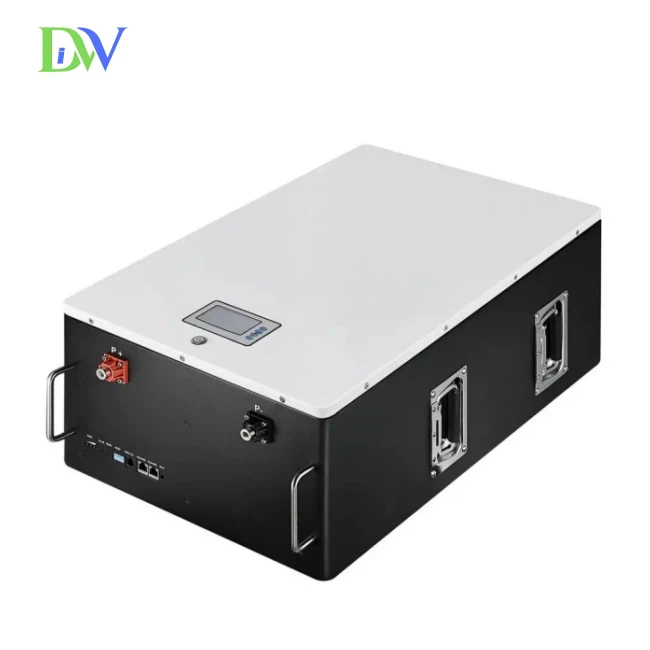
2. Faster Charging
In a server environment, time is of the essence. When the main power is restored after an outage, lithium batteries can recharge much faster than lead - acid batteries. This means that the UPS can be ready for the next power outage in a shorter period, providing continuous protection for your server.
3. High Energy Efficiency
Lithium batteries have a higher charge - discharge efficiency. They can convert a larger proportion of the stored energy into usable power for the server. This efficiency not only reduces energy waste but also helps to lower the overall operating costs of the server room.
4. Lightweight and Compact
As mentioned earlier, lithium batteries have a high energy density. They are significantly lighter and more compact than lead - acid batteries of the same capacity. This makes them easier to install and manage in a server rack, especially in data centers where space optimization is crucial.
Considerations Before Using a UPS Backup Lithium Battery for Your Server
1. Cost
The initial cost of lithium batteries is generally higher than that of lead - acid batteries. However, when factoring in the longer lifespan, faster charging, and higher energy efficiency, the total cost of ownership over the long term may be comparable or even lower. Before making a decision, conduct a detailed cost - benefit analysis based on your specific server usage and budget.
2. Temperature Sensitivity
Lithium batteries are more sensitive to temperature than lead - acid batteries. Extreme temperatures can affect their performance and lifespan. Therefore, it's essential to ensure that the server room has proper temperature control to maintain the optimal operating temperature range for the lithium batteries.
3. Safety
Although lithium batteries are generally safe when used correctly, they do pose some safety risks if mishandled. Overcharging, over - discharging, or physical damage can lead to thermal runaway and potentially cause fires or explosions. Make sure to choose a UPS system with advanced battery management and safety features to minimize these risks.
Other Applications of Our UPS Backup Lithium Batteries
Our UPS backup lithium batteries are not only suitable for servers but also have a wide range of other applications. For example, they can be used in [Elevator Backup Power](/energy - storage - battery/elevator - backup - power.html) systems. In case of a power outage, these batteries can ensure that elevators can safely reach the nearest floor and open their doors, providing a reliable safety measure for building occupants.
Another application is [Smart Home Lithium Battery](/energy - storage - battery/smart - home - lithium - battery.html) systems. In a smart home, various devices rely on continuous power supply. Our UPS backup lithium batteries can protect these devices from power outages, ensuring the normal operation of smart home functions such as security systems, lighting controls, and home automation.
We also offer a [3kwh Portable Power Station](/energy - storage - battery/gendome - home - 3000 - portable - power - station.html), which is an excellent choice for outdoor activities or as a backup power source for small - scale indoor equipment. It combines the advantages of lithium batteries, such as high energy density and fast charging, in a portable and easy - to - use form.
Conclusion
In conclusion, using a UPS backup lithium battery for your server is a viable and often advantageous option. With its technical compatibility, longer lifespan, faster charging, high energy efficiency, and compact design, it can provide reliable power protection for your server. However, you need to carefully consider factors such as cost, temperature sensitivity, and safety before making a decision.
If you are interested in our UPS backup lithium batteries for your server or other applications, we invite you to contact us for procurement and negotiation. Our team of experts will be happy to provide you with detailed product information, technical support, and customized solutions based on your specific needs.
References
- Battery University: A comprehensive resource for battery - related knowledge, including the characteristics and applications of lithium batteries.
- Server manufacturers' documentation: Provides information on the power requirements and compatibility of servers.
- Industry reports on energy storage solutions for data centers and other applications.