

Can I store a scooter lithium battery for a long time?
May 30, 2025
As a scooter lithium battery supplier, I often receive inquiries from customers about long - term storage of these batteries. It's a crucial question because improper storage can severely impact the battery's lifespan, performance, and safety. In this blog, I'll share some professional insights into whether scooters' lithium batteries can be stored for a long time and how to do it correctly.
The Feasibility of Long - Term Storage
The short answer is yes; you can store a scooter lithium battery for a long time. However, it's crucial to understand that lithium batteries continue to undergo chemical reactions even when not in use. These self - discharge reactions can gradually deplete the battery charge over time. If the charge level drops too low, it may lead to permanent damage to the battery cells.
Key Factors Affecting Long - Term Storage
1. State of Charge (SOC)
The initial state of charge of a lithium battery during storage is vital. Lithium batteries should neither be fully charged nor completely discharged when put into long - term storage. A recommended state of charge for long - term storage is around 50%.
When a lithium battery is fully charged and stored for an extended period, the high voltage can cause the electrolyte to break down, leading to the formation of solid electrolyte interphase (SEI) on the electrodes. This SEI layer can grow thicker over time, increasing internal resistance and reducing the battery's capacity.
Conversely, when a lithium battery is stored at a very low SOC, the chance of over - discharge is high. Over - discharge can cause a reverse current in the battery cells, which may lead to the plating of lithium metal on the electrodes. Lithium plating is a hazardous condition that can create short - circuits and pose a significant safety risk.
2. Temperature
Temperature is another critical factor in long - term battery storage. High temperatures accelerate the self - discharge rate of lithium batteries and exacerbate the chemical reactions that cause battery degradation. For example, storing a battery at a high temperature can cause the electrolyte to evaporate, leading to dry - out of the battery cells and reducing battery life.
On the other hand, low temperatures can slow down the chemical reactions but may also cause the electrolyte to freeze if the temperature drops too low. Frozen electrolyte can damage the battery structure and lead to irreversible capacity loss.
The ideal temperature range for long - term storage of lithium batteries is between 20 - 25°C. At these temperatures, the self - discharge rate is relatively low, and the battery degradation process is minimized.
3. Humidity
High humidity levels can also have a negative impact on lithium batteries during storage. Moisture can penetrate the battery casing and react with the electrolyte and electrodes. This reaction can lead to the corrosion of the battery terminals, the formation of metal oxides, and an increase in internal resistance.
To prevent humidity damage, it is advisable to store lithium batteries in a dry environment. You can use moisture - absorbing materials such as silica gel packets in the storage area to reduce humidity levels.
Specific Long - Term Storage Recommendations
1. Charge the Battery to the Right Level
Before storing your scooter lithium battery for a long time, you need to charge it to around 50% SOC. You can use a quality battery charger with a charge level indicator to ensure accurate charging.
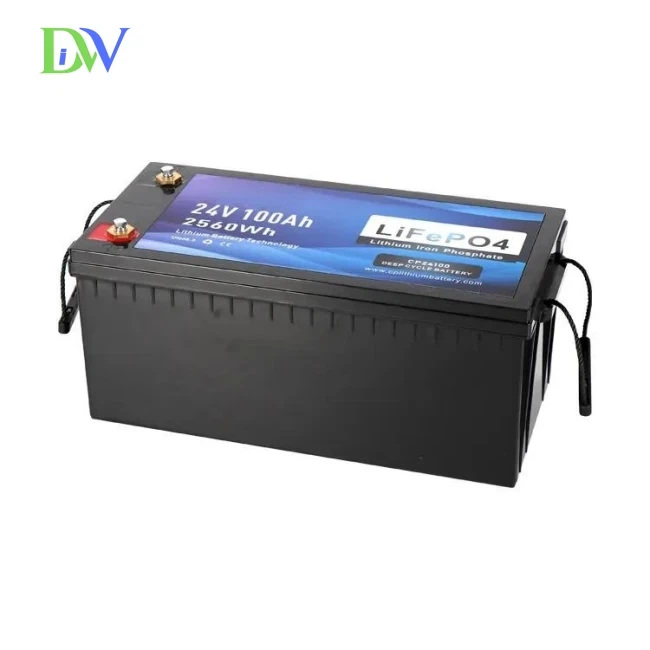
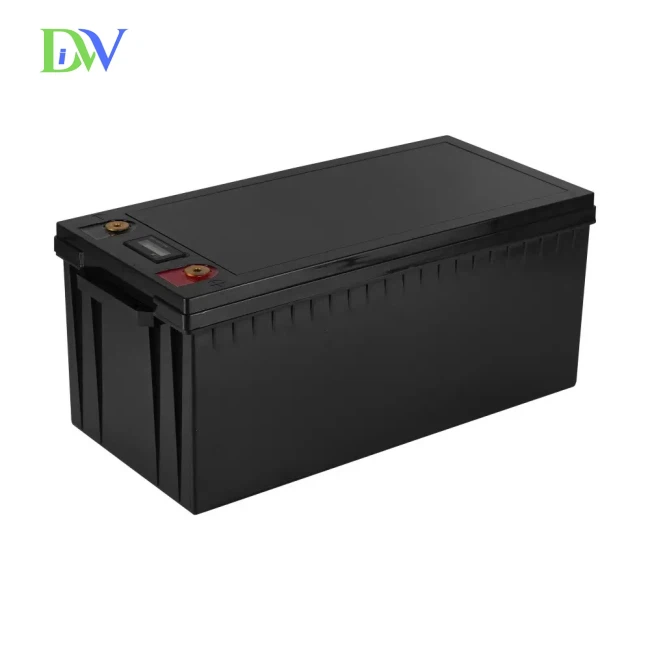
If you have a 24V Lithium Battery Pack, make sure to follow the manufacturer's instructions to charge it to the appropriate level. The same goes for other products like 48v 20ah Lifepo4 Battery and 24v 200ah Lifepo4 Battery.
2. Choose the Right Storage Location
Pick a storage location with a stable temperature within the 20 - 25°C range and low humidity. A climate - controlled storage facility or a cool, dry room in your house can be suitable options. Avoid storing the battery in places near heat sources, direct sunlight, or areas prone to flooding.
3. Periodic Check - ups
Even when in storage, it is important to check the battery's condition periodically. At least once every three months, check the battery's voltage level to ensure it hasn't dropped significantly. If the SOC drops below 40%, charge the battery back up to the 50% recommended level.
These periodic check - ups are essential because they allow you to detect any potential issues early on and take corrective actions before serious damage occurs.
Our Product Advantages for Long - Term Applications
As a supplier, we offer high - quality scooter lithium batteries designed to withstand long - term storage and usage. Our 24V Lithium Battery Pack is engineered with advanced battery management systems (BMS). The BMS helps maintain the battery's optimal SOC during storage by preventing over - charging and over - discharging.
Our 48v 20ah Lifepo4 Battery uses LiFePO4 chemistry, which has excellent thermal stability and a lower self - discharge rate compared to traditional lithium - ion batteries. This makes it an ideal choice for long - term storage applications.
The 24v 200ah Lifepo4 Battery is built with high - quality materials and reliable manufacturing processes. It has a long service life and high energy density, which means it can provide reliable power even after long - term storage.
Conclusion
In conclusion, you can store a scooter lithium battery for a long time. However, to ensure the battery remains in good condition, you must pay close attention to factors such as state of charge, temperature, and humidity. By following the recommended storage guidelines and using high - quality batteries like ours, you can extend the battery's service life and maintain its performance.
If you have any further questions about our products or need advice on battery storage, please feel free to contact us for procurement and negotiation. We are always eager to provide you with the best solutions for your battery needs.
References
- Linden, D., & Reddy, T. B. (2002). Handbook of Batteries (3rd ed.). McGraw - Hill.
- Dunn, B., Kamath, H., & Tarascon, J. M. (2011). Electrical energy storage for the grid: A battery of choices. Science, 334(6058), 928 - 935.
- Garche, J. (2010). Lithium - ion batteries. Wiley - VCH.