

Can an ups reserve battery pack be recycled?
Oct 31, 2025
As a supplier of UPS reserve battery packs, I've often been asked about the recyclability of these essential power backup components. This question is not only relevant from an environmental perspective but also in terms of resource management and cost - effectiveness. In this blog, I'll delve into the topic of whether UPS reserve battery packs can be recycled, exploring the types of batteries used, the recycling process, and the benefits associated with recycling.
Types of Batteries Used in UPS Reserve Battery Packs
UPS reserve battery packs typically use two main types of batteries: lead - acid batteries and lithium - ion batteries, each with its own characteristics and recyclability.
Lead - Acid Batteries
Lead - acid batteries have been the traditional choice for UPS systems for many years. They are known for their relatively low cost, high surge current capabilities, and reliability. These batteries consist of lead plates submerged in sulfuric acid electrolyte.
The lead and plastic components of lead - acid batteries are highly recyclable. In fact, lead - acid batteries have one of the highest recycling rates of any consumer product. The lead can be melted down and refined to be used in the production of new batteries or other lead - based products, while the plastic casings can be recycled into new plastic products.
Lithium - Ion Batteries
Lithium - ion batteries are becoming increasingly popular in UPS applications due to their high energy density, longer lifespan, and lighter weight compared to lead - acid batteries. There are different chemistries within the lithium - ion family, such as lithium cobalt oxide (LiCoO₂), lithium manganese oxide (LiMnO₂), and lithium iron phosphate (LiFePO₄).
Recycling lithium - ion batteries is more complex than lead - acid batteries. However, it is still possible and increasingly important as the use of these batteries continues to grow. The lithium, cobalt, nickel, and other valuable metals can be recovered and reused in the production of new batteries. For instance, the Powerwall Lithium Battery is a type of lithium - ion battery that can potentially be recycled to recover its valuable components.
The Recycling Process
The recycling process for UPS reserve battery packs varies depending on the type of battery.
Recycling Lead - Acid Batteries
The recycling of lead - acid batteries generally follows these steps:
- Collection: Used batteries are collected from various sources, such as UPS users, battery retailers, and recycling centers.
- Pre - treatment: The batteries are cleaned to remove any dirt or debris, and the plastic casings are separated from the lead plates and electrolyte.
- Smelting: The lead plates are melted in a furnace at high temperatures. During the smelting process, impurities are removed, and the lead is refined.
- Re - manufacturing: The refined lead is then used to produce new battery plates, and the recycled plastic is used to make new battery casings.
Recycling Lithium - Ion Batteries
Recycling lithium - ion batteries is a more technically challenging process:
- Collection and Sorting: Similar to lead - acid batteries, used lithium - ion batteries are collected and sorted by chemistry and size.
- Discharging: The batteries are safely discharged to prevent any potential fire or explosion hazards during the recycling process.
- Mechanical Processing: The batteries are shredded into small pieces, and the different components are separated using physical methods such as screening and magnetic separation.
- Chemical Processing: Chemical processes are used to extract the valuable metals from the shredded material. This may involve leaching, where the metals are dissolved in a chemical solution, followed by purification and recovery steps.
Benefits of Recycling UPS Reserve Battery Packs
The recycling of UPS reserve battery packs offers several significant benefits.
Environmental Benefits
Recycling reduces the environmental impact associated with battery disposal. Lead is a heavy metal that can be harmful to the environment and human health if released in large quantities. By recycling lead - acid batteries, we prevent lead from leaching into the soil and water sources.
In the case of lithium - ion batteries, recycling helps to reduce the demand for mining new lithium, cobalt, and other rare metals. Mining these metals can have significant environmental impacts, including deforestation, water pollution, and soil degradation.
Economic Benefits
Recycling can also be economically beneficial. Recovering valuable metals from used batteries reduces the cost of raw materials for battery manufacturers. For example, the recovered lead from lead - acid batteries can be used to produce new batteries at a lower cost compared to using newly mined lead.
Moreover, the recycling industry creates jobs in the collection, processing, and re - manufacturing sectors.
Resource Conservation
Battery recycling helps to conserve natural resources. As the demand for UPS systems and other battery - powered devices continues to grow, the availability of raw materials such as lead, lithium, and cobalt may become limited. Recycling allows us to reuse these materials, ensuring a more sustainable supply for future generations.
Challenges in Recycling UPS Reserve Battery Packs
Despite the many benefits of recycling, there are also some challenges.
Complexity of Lithium - Ion Battery Recycling
As mentioned earlier, the recycling of lithium - ion batteries is more complex than lead - acid batteries. Different chemistries within the lithium - ion family require different recycling processes, and the technology for efficient and cost - effective recycling is still evolving.
Collection and Logistics
Collecting used UPS reserve battery packs from a wide range of users can be challenging. There needs to be an efficient collection system in place to ensure that a large percentage of used batteries are recycled. Additionally, transporting these batteries safely can be a logistical challenge, especially for lithium - ion batteries, which may pose a fire risk if not handled properly.
Regulatory and Policy Issues
There are various regulations and policies regarding battery recycling in different regions. Complying with these regulations can be costly and time - consuming for battery recyclers and suppliers.
Encouraging Recycling
As a UPS reserve battery pack supplier, I believe it is our responsibility to encourage recycling. We can work with recycling partners to ensure that our customers have easy access to recycling services.
We can also educate our customers about the importance of recycling and provide them with information on how to properly dispose of their used batteries. For example, we can offer brochures or online resources that explain the recycling process and the environmental and economic benefits.
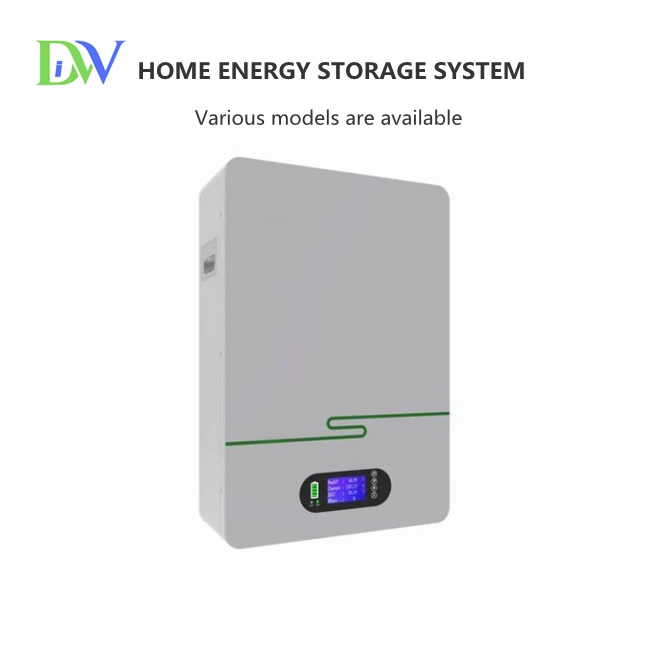
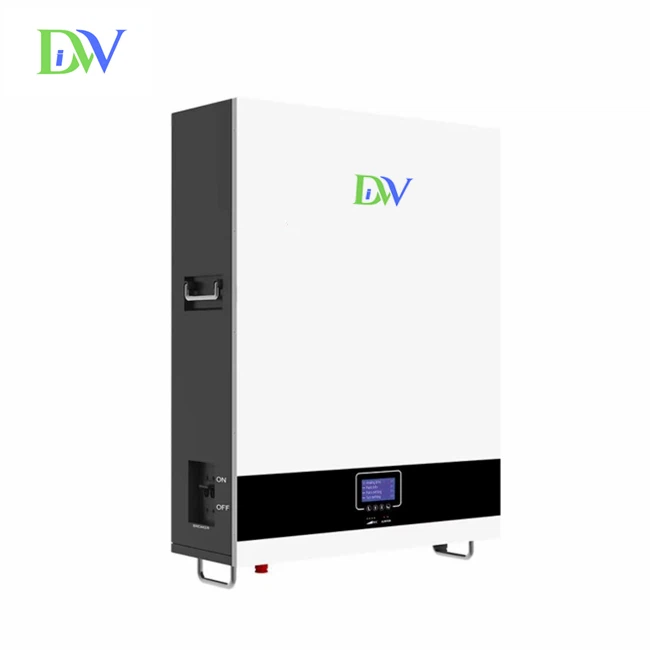
Moreover, we can promote the use of more sustainable battery technologies, such as the Home Energy Storage Battery and Low Temperature Lithium Battery, which are not only more efficient but also easier to recycle in some cases.
Conclusion
In conclusion, UPS reserve battery packs can be recycled, whether they are lead - acid or lithium - ion batteries. Recycling offers significant environmental, economic, and resource - conservation benefits. However, there are also challenges that need to be addressed, such as the complexity of lithium - ion battery recycling and the collection and logistics issues.
As a supplier, I am committed to promoting the recycling of our products and working towards a more sustainable future. If you are interested in purchasing UPS reserve battery packs or have any questions about recycling, please feel free to contact us for further information and to start a procurement discussion.
References
- "Battery Recycling: A Global Perspective," Journal of Power Sources.
- "Recycling of Lithium - Ion Batteries: Current Status and Future Prospects," Energy Storage Materials.
- "The Environmental Impact of Lead - Acid Battery Recycling," Environmental Science and Technology.