

Can an RV lithium battery be used in a marine environment?
Dec 23, 2025
Hey there! As a supplier of RV lithium batteries, I often get asked if these batteries can be used in a marine environment. It's a valid question, and today, I'm gonna break it down for you.
First off, let's talk about what makes RV lithium batteries so great. They're lightweight, have a high energy density, and a long lifespan compared to traditional lead - acid batteries. These features make them a top choice for RV owners looking to power their adventures. But when it comes to the marine world, things get a bit more complicated.
The Basics of Marine Environments
Marine environments are harsh. There's saltwater, which is highly corrosive. The constant exposure to salt can eat away at the battery's components over time. Also, the humidity levels are usually high, and there are often vibrations from the boat's engine and movement on the water. All these factors can take a toll on a battery.
Compatibility of RV Lithium Batteries in Marine Settings
Advantages
One of the biggest advantages of using an RV lithium battery in a marine environment is its energy efficiency. Lithium batteries can charge and discharge at a much higher rate than lead - acid batteries. This means that you can power your boat's electrical systems more effectively. For example, if you have a lot of electronics on board, like fish finders, GPS systems, and lights, an RV lithium battery can handle the load better.

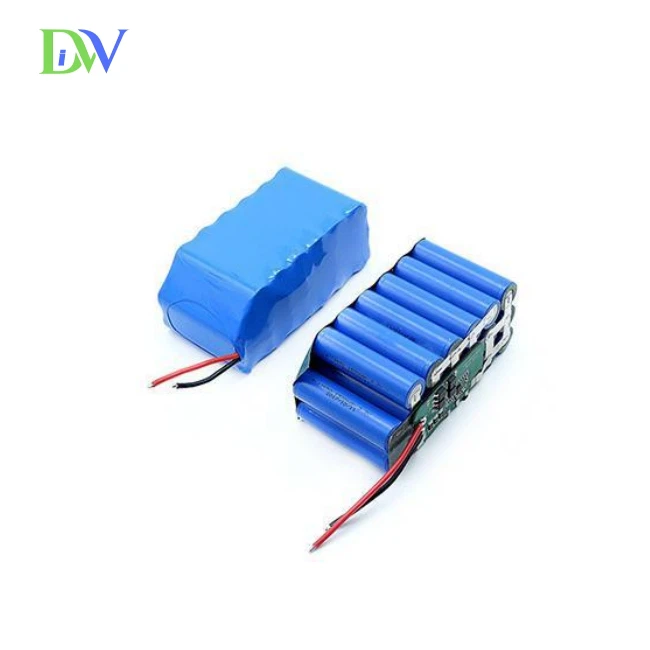
Another plus is the long lifespan. Marine trips can be expensive, and you don't want to be constantly replacing your batteries. RV lithium batteries can last up to 10 years or more with proper care, which is a huge cost - saver in the long run.
Challenges
However, there are some challenges. As I mentioned earlier, the saltwater and humidity can cause corrosion. Most RV lithium batteries aren't designed with the same level of protection as marine - specific batteries. The battery's casing might not be as resistant to saltwater spray, and the internal components could be at risk of damage.
Vibrations are also a concern. Boats can be quite bumpy, especially in rough seas. The constant shaking can loosen the internal connections in the battery, leading to poor performance or even failure.
Modifications and Precautions
If you're determined to use an RV lithium battery in a marine environment, there are some modifications and precautions you can take.
- Enclosure: You can invest in a high - quality, waterproof and corrosion - resistant enclosure for the battery. This will protect it from saltwater and humidity. Make sure the enclosure is well - sealed and has proper ventilation to prevent overheating.
- Vibration Dampening: Use vibration - dampening mounts to secure the battery. These mounts can absorb the shocks and vibrations, reducing the risk of internal damage.
- Regular Maintenance: Keep a close eye on the battery's condition. Check the connections regularly for signs of corrosion and tighten them if necessary. Also, make sure to follow the manufacturer's charging and discharging guidelines.
Other Battery Options for Comparison
If you're still not sure about using an RV lithium battery in a marine environment, there are other options available.
- Portable Storage Battery: These batteries are designed for a variety of applications, including marine use. They're often more rugged and better protected against the elements. You can check out more about Portable Storage Battery here.
- Low Temperature Lithium Battery: If you're planning to use your boat in colder waters, a Low Temperature Lithium Battery might be a better choice. These batteries can perform well in low - temperature conditions, which is important for marine applications.
- Server Rack LiFePO4 Battery: Although primarily used in server racks, Server Rack LiFePO4 Battery can also be adapted for marine use. They have a high energy density and are relatively stable.
Making the Decision
So, can an RV lithium battery be used in a marine environment? The answer is yes, but with some caveats. If you're willing to make the necessary modifications and take the proper precautions, it can be a viable option. However, if you want a hassle - free experience, you might want to consider a marine - specific battery.
If you're interested in learning more about our RV lithium batteries or have any questions about using them in a marine environment, don't hesitate to reach out. We're here to help you make the best decision for your boating needs. Whether you're a weekend warrior or a seasoned sailor, we've got the knowledge and products to power your adventures. So, let's start a conversation and see how we can work together to meet your energy storage requirements.
References
- Battery University: A comprehensive resource on battery technology and usage.
- Marine Electronics Magazine: Articles on marine electrical systems and battery options.