

Can a home emergency battery be used to power a microwave?
Jun 06, 2025
Can a home emergency battery be used to power a microwave? This is a question that many homeowners and emergency - preparedness enthusiasts often ask. As a supplier of home emergency batteries, I'm here to delve into this topic in detail and provide you with comprehensive insights.
Understanding Home Emergency Batteries
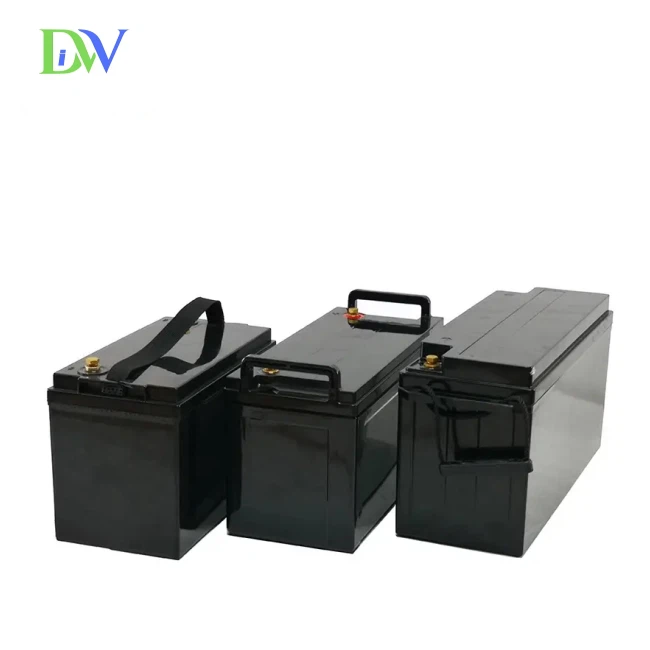
Home emergency batteries are designed to offer a reliable source of power during unexpected outages or in off - grid situations. These batteries come in various types, including lead - acid, lithium - ion, and nickel - metal hydride. Among them, lithium - ion batteries have gained significant popularity due to their high energy density, long lifespan, and relatively low self - discharge rate. For example, our Lithium Battery For Camper is a great option for those looking for a portable and efficient energy storage solution, which can also be used in home emergency scenarios.
The capacity of home emergency batteries is typically measured in ampere - hours (Ah) or watt - hours (Wh). A higher capacity means the battery can store more energy and power devices for a longer time. Additionally, the output voltage of these batteries is an important factor. Most household appliances in the United States operate on 120V AC, while home emergency batteries usually provide DC power. Therefore, an inverter is required to convert the DC power from the battery into AC power suitable for household appliances.
Microwave Power Requirements
Microwaves are a common household appliance used for heating and cooking food. The power consumption of a microwave varies depending on its size, features, and brand. Generally, the power rating of a standard household microwave ranges from 600 to 1200 watts. When a microwave is turned on, it draws a significant amount of power instantaneously, especially during the initial start - up phase.
This high - power demand is a crucial consideration when trying to power a microwave with a home emergency battery. The battery must be able to supply the necessary power without overloading or experiencing a significant drop in voltage, which could cause the microwave to malfunction or damage the battery.
Compatibility Analysis
To determine whether a home emergency battery can power a microwave, we need to consider several factors. First, we need to match the power output of the battery (after conversion by the inverter) with the power requirements of the microwave. For example, if you have a 1000 - watt microwave, the battery - inverter system must be able to provide at least 1000 watts of continuous power.
Let's assume we have a home emergency battery with a capacity of 100Ah and a voltage of 12V DC. The total energy stored in the battery is calculated as (E = V\times Ah=12V\times100Ah = 1200Wh). However, when using an inverter to convert DC to AC, there are energy losses. A typical inverter has an efficiency of around 80 - 90%. So, the available AC power from the battery is reduced.
If we use an inverter with an 80% efficiency, the available power from our 1200Wh battery is (1200Wh\times0.8 = 960Wh). If our microwave has a power rating of 1000 watts, this battery may not be sufficient to power the microwave continuously for an extended period.
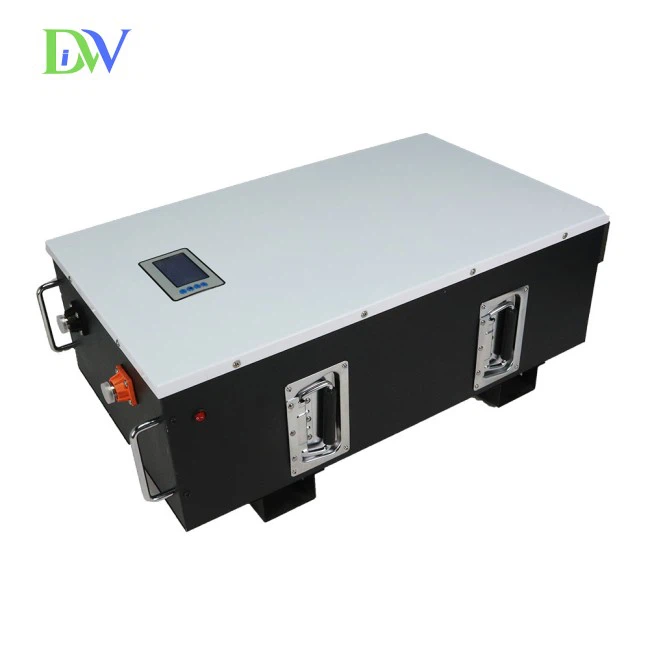
In addition to the power output, the battery's ability to handle the high - inrush current of the microwave is also important. Some high - quality home emergency batteries, such as our Powerwall Home Battery, are designed to handle large inrush currents. These batteries are equipped with advanced battery management systems that can protect the battery from over - current and over - voltage situations.
Practical Considerations
When attempting to power a microwave with a home emergency battery, there are some practical aspects to keep in mind. Firstly, the runtime of the microwave is limited by the battery's capacity. Even if the battery - inverter system can initially power the microwave, the battery will gradually discharge. Once the battery's charge level drops below a certain threshold, the power output may become unstable, and the microwave may stop working.
Secondly, the size and portability of the battery - inverter system are important, especially in emergency situations. If you need to move the system during a power outage, a large and heavy battery may not be convenient. Some home emergency batteries, like the Solar Street Light Lithium Battery, are relatively lightweight and portable, which can be an advantage in such cases.
Case Studies
There have been some real - world cases where people have tried to power a microwave with home emergency batteries. In one case, a homeowner used a high - capacity lithium - ion home emergency battery with a powerful inverter to power a 800 - watt microwave. The battery was able to power the microwave for a short period, but after several uses, the battery's charge level dropped significantly, and the microwave's performance became unstable.
Another case involved a camping enthusiast who tried to use a portable home emergency battery to power a small 600 - watt microwave while on a camping trip. With a properly sized inverter and a well - maintained battery, the microwave was able to operate successfully for a few minutes at a time. However, the battery needed to be recharged frequently using a solar panel or a generator.
Solutions and Recommendations
If you want to power a microwave with a home emergency battery, here are some solutions and recommendations. Firstly, choose a high - capacity battery. A battery with a capacity of at least 200Ah or more and a high - quality inverter with a sufficient power rating is recommended. Our Powerwall Home Battery is a good option as it has a large capacity and can handle high - power demands.
Secondly, consider using multiple batteries in parallel or series to increase the overall capacity and voltage. Connecting batteries in parallel increases the capacity, while connecting them in series increases the voltage. However, proper battery management is required to ensure the safety and efficiency of the battery system.
Finally, it's advisable to test the battery - inverter - microwave system before an actual emergency. This can help you identify any potential issues and make necessary adjustments to ensure the system works properly when you need it most.
Conclusion
In conclusion, it is possible to power a microwave with a home emergency battery, but it requires careful planning and consideration. The power output, capacity, and ability to handle high - inrush currents of the battery are crucial factors. By choosing the right battery - inverter system and following the recommendations mentioned above, you can use a home emergency battery to power your microwave during a power outage or in off - grid situations.
If you are interested in our home emergency battery products or have any questions about powering household appliances with batteries, we welcome you to contact us for further discussion and procurement. Our team of experts is ready to provide you with professional advice and customized solutions to meet your specific needs.
References
- "Battery Basics" - Energy Storage Association
- "Microwave Oven Power Consumption" - Consumer Reports
- "Inverter Efficiency and Performance" - Electrical Engineering Handbook