

Can a drone lithium battery be used in a magnetic field?
Dec 02, 2025
As a drone lithium battery supplier, I often encounter various questions from customers, and one question that frequently comes up is whether a drone lithium battery can be used in a magnetic field. This is a crucial question because drones are increasingly being used in diverse environments, some of which may have magnetic fields. In this blog post, I'll delve into the science behind this issue, explore the potential effects of magnetic fields on drone lithium batteries, and provide some practical advice for our customers.
Understanding Drone Lithium Batteries
Before we discuss the impact of magnetic fields, let's briefly understand the basic structure and working principle of drone lithium batteries. Lithium batteries are the powerhouses of modern drones, offering high energy density, long cycle life, and relatively low self - discharge rates. These batteries typically consist of one or more lithium - ion or lithium - polymer cells, along with a battery management system (BMS). The BMS is responsible for monitoring and controlling the charging and discharging processes, ensuring the safety and performance of the battery.
How Magnetic Fields Work
Magnetic fields are regions where magnetic forces are exerted. They can be generated by permanent magnets, electromagnets, or electrical currents. The strength of a magnetic field is measured in teslas (T) or gauss (G), where 1 T = 10,000 G. Different environments can have varying magnetic field strengths. For example, the Earth's magnetic field has an average strength of about 0.5 G, while strong industrial magnets can generate fields of several teslas.
The Impact of Magnetic Fields on Drone Lithium Batteries
Effects on the Battery Cells
The lithium - ion or lithium - polymer cells in a drone battery are essentially electrochemical devices. When a battery is exposed to a magnetic field, several things can happen at the cell level.
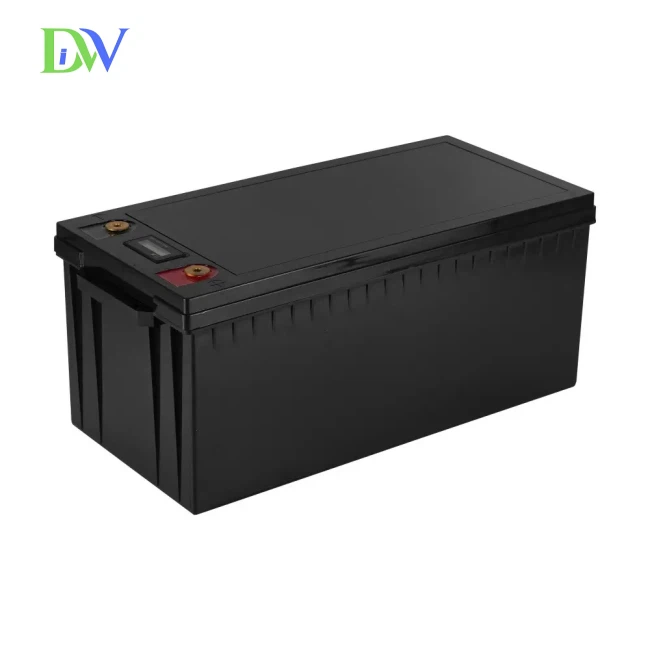

- Electron Movement Disruption: Inside a battery cell, electrons flow through the electrolyte and electrodes during charging and discharging. A strong magnetic field can exert a force on these moving electrons, according to the Lorentz force law ((F = qvB\sin\theta), where (F) is the force, (q) is the charge of the electron, (v) is its velocity, (B) is the magnetic field strength, and (\theta) is the angle between the velocity and the magnetic field). This force can disrupt the normal flow of electrons, leading to uneven current distribution within the cell. As a result, some parts of the electrode may experience over - charging or under - charging, which can reduce the battery's overall performance and lifespan.
- Electrolyte Instability: The electrolyte in a lithium battery is a conductive medium that allows lithium ions to move between the electrodes. A magnetic field can potentially affect the physical and chemical properties of the electrolyte. For example, it may cause the electrolyte to become more viscous or change its ionic conductivity. This can impede the movement of lithium ions, increasing the internal resistance of the battery and reducing its efficiency.
Effects on the Battery Management System (BMS)
The BMS of a drone lithium battery contains electronic components such as sensors, microcontrollers, and integrated circuits. These components are sensitive to magnetic fields.
- Sensor Malfunction: The BMS uses sensors to measure parameters such as battery voltage, current, and temperature. A magnetic field can interfere with the operation of these sensors, causing inaccurate readings. For example, a magnetic field can induce a voltage in a current sensor, leading to false current measurements. This can result in the BMS making incorrect decisions about charging and discharging, which may damage the battery or even pose a safety risk.
- Microcontroller and Circuit Failure: The microcontroller and other electronic circuits in the BMS rely on the proper flow of electrical signals. A strong magnetic field can induce electromagnetic interference (EMI) in these circuits, causing glitches, malfunctions, or even permanent damage. This can disrupt the normal operation of the BMS and render the battery inoperable.
Safe Magnetic Field Levels for Drone Lithium Batteries
Determining the safe magnetic field levels for drone lithium batteries is a complex task, as it depends on various factors such as the battery design, cell chemistry, and the duration of exposure. However, in general, most drone lithium batteries are designed to operate safely in the Earth's magnetic field (about 0.5 G). For industrial or high - strength magnetic fields, the safe limit is typically much lower.
Manufacturers usually specify the maximum allowable magnetic field strength in the battery's datasheet. As a general rule of thumb, magnetic fields below 10 G are usually considered safe for short - term exposure, while fields above 100 G can pose significant risks to the battery's performance and safety.
Practical Advice for Using Drone Lithium Batteries in Magnetic Fields
If you need to use a drone in an environment with a magnetic field, here are some practical tips:
- Check the Magnetic Field Strength: Before flying your drone, use a magnetic field meter to measure the strength of the magnetic field in the area. If the field strength exceeds the safe limit specified by the battery manufacturer, avoid using the drone in that area.
- Keep a Safe Distance: If you cannot avoid flying near a magnetic source, try to keep the drone as far away as possible from the source to minimize the impact of the magnetic field.
- Monitor Battery Performance: During and after the flight, closely monitor the battery's performance. Look for signs of abnormal behavior such as reduced flight time, overheating, or sudden voltage drops. If you notice any issues, stop using the battery immediately and have it inspected by a professional.
Related Products
In addition to drone lithium batteries, our company also offers a range of other high - quality lithium batteries, such as Sightseeing Car Lithium Battery, 12v 50ah Lifepo4 Battery, and 24v 60ah Lifepo4 Battery. These batteries are designed for different applications and offer excellent performance and reliability.
Conclusion
In conclusion, while drone lithium batteries can generally tolerate the Earth's magnetic field, they are sensitive to stronger magnetic fields. Exposure to high - strength magnetic fields can disrupt the normal operation of the battery cells and the BMS, leading to reduced performance, shortened lifespan, and potential safety risks. As a drone lithium battery supplier, we recommend that our customers be aware of the magnetic field environment when using their drones and take appropriate precautions to ensure the safe and efficient operation of their batteries.
If you have any questions about our drone lithium batteries or other related products, or if you are interested in purchasing our batteries, please feel free to contact us for further discussion. We are committed to providing you with the best products and services.
References
- Linden, D., & Reddy, T. B. (2002). Handbook of Batteries (3rd ed.). McGraw - Hill.
- Tarascon, J. M., & Armand, M. (2001). Issues and challenges facing rechargeable lithium batteries. Nature, 414(6861), 359 - 367.
- Wang, C., & Zhang, J. (2014). Fundamentals of Electrochemical Energy Processes. Wiley.