

Are there any noise - reduction benefits of using a golf cart lithium battery?
Nov 27, 2025
In the world of golf carts, the shift from traditional lead - acid batteries to lithium batteries has been gaining significant momentum. As a supplier of Golf Cart Lithium Batteries, I often get asked about the various benefits of these advanced power sources. One question that has piqued the interest of many customers is whether there are any noise - reduction benefits of using a golf cart lithium battery. In this blog, we'll explore this topic in depth, backed by scientific facts and real - world experiences.
Understanding the Noise Sources in Golf Carts
Before delving into the noise - reduction potential of lithium batteries, it's essential to understand where the noise in golf carts typically comes from. There are several sources of noise in a golf cart:
- Motor Noise: The electric motor in a golf cart is a primary source of noise. As the motor rotates and the electrical current flows through its coils, it generates electromagnetic vibrations that can produce a humming or whining sound. The intensity of this noise can vary depending on the motor's design, power output, and operating conditions.
- Battery - Related Noise: In traditional lead - acid batteries, there can be some noise associated with the chemical reactions taking place inside the battery. During charging and discharging, the movement of ions and the generation of gas can create a low - level fizzing or bubbling sound. Additionally, the internal resistance of lead - acid batteries can cause electrical arcing, which may also contribute to audible noise.
- Mechanical Noise: The mechanical components of a golf cart, such as the gears, axles, and suspension, can also produce noise. As the cart moves over uneven terrain, the vibrations and impacts can cause rattling, creaking, or clunking sounds.
How Lithium Batteries Can Reduce Noise
Now, let's examine how lithium batteries can potentially reduce noise in golf carts:
1. Lower Internal Resistance
Lithium batteries, especially Lithium Iron Phosphate Power Battery, have significantly lower internal resistance compared to lead - acid batteries. This means that they can deliver power more efficiently, with less energy being wasted as heat. As a result, there is less electrical arcing and fewer electromagnetic vibrations within the battery itself. The smooth flow of electricity reduces the likelihood of any battery - related noise, such as the fizzing or arcing sounds commonly associated with lead - acid batteries.
2. Stable Chemical Reactions
The chemical reactions in lithium batteries are much more stable than those in lead - acid batteries. Lithium - ion technology allows for a more controlled flow of ions during charging and discharging, minimizing the generation of gas and the associated bubbling sounds. This stability not only reduces noise but also contributes to the longer lifespan and better performance of the battery.
3. Compatibility with Quiet Motors
Lithium batteries can be paired with high - efficiency electric motors that are designed to operate quietly. Since lithium batteries can provide a consistent and high - quality power supply, motors can run more smoothly and with less vibration. This results in a reduction in motor noise, as the motor doesn't have to work as hard to achieve the desired speed and performance.
Real - World Benefits of Noise Reduction
The noise - reduction benefits of using a golf cart lithium battery extend beyond just a quieter ride. Here are some real - world advantages:
1. Enhanced User Experience
A quieter golf cart provides a more enjoyable and relaxing experience for both the driver and passengers. Whether you're cruising around the golf course or using the cart for personal transportation in a neighborhood, the absence of excessive noise allows you to focus on the scenery and the conversation. It also reduces the stress and fatigue associated with a noisy environment.
2. Less Disturbance to Others
In a golf course setting, a quiet golf cart is less likely to disturb other golfers. The peace and tranquility of the course are preserved, allowing everyone to enjoy their game without being interrupted by the loud rumbling of a traditional cart. Similarly, in residential areas, a quiet golf cart won't cause a nuisance to neighbors, making it a more socially acceptable mode of transportation.
3. Improved Safety
Noise can sometimes mask important auditory cues, such as the sound of approaching vehicles or pedestrians. By reducing the noise level of the golf cart, the driver can better hear their surroundings, increasing situational awareness and enhancing safety.
Comparing Lithium Batteries with Other Battery Types
To further illustrate the noise - reduction benefits of lithium batteries, let's compare them with other common battery types used in golf carts:
1. Lead - Acid Batteries
As mentioned earlier, lead - acid batteries are prone to producing noise due to their high internal resistance and the chemical reactions taking place inside. The fizzing, bubbling, and arcing sounds can be quite noticeable, especially during charging and heavy - load operation. In contrast, lithium batteries offer a much quieter alternative, with a smooth and silent power delivery.
2. Nickel - Metal Hydride (NiMH) Batteries
NiMH batteries are another option for golf carts, but they also have some limitations in terms of noise. While they may be quieter than lead - acid batteries, they still produce more noise compared to lithium batteries. NiMH batteries can experience some self - discharge and internal heating, which can lead to audible vibrations and electrical noise.
Case Studies and Customer Feedback
Over the years, we've received numerous positive feedback from customers who have switched to our Golf Cart Lithium Batteries. Many of them have commented on the significant reduction in noise levels. For example, a golf course manager reported that after replacing the lead - acid batteries in their fleet of golf carts with our lithium batteries, the overall noise on the course had decreased, resulting in a more pleasant experience for golfers.
Another customer, who uses a golf cart for personal transportation in a retirement community, mentioned that the quiet operation of the lithium - powered cart made it much more enjoyable to drive around the neighborhood. They no longer had to worry about disturbing their neighbors with a noisy vehicle.
The Future of Noise - Reduction in Golf Carts
As technology continues to advance, we can expect even more improvements in the noise - reduction capabilities of golf cart lithium batteries. Manufacturers are constantly researching and developing new battery chemistries and designs to further optimize performance and reduce noise. Additionally, the integration of smart technologies, such as noise - canceling systems and advanced motor control algorithms, may provide even greater noise - reduction benefits in the future.

Conclusion
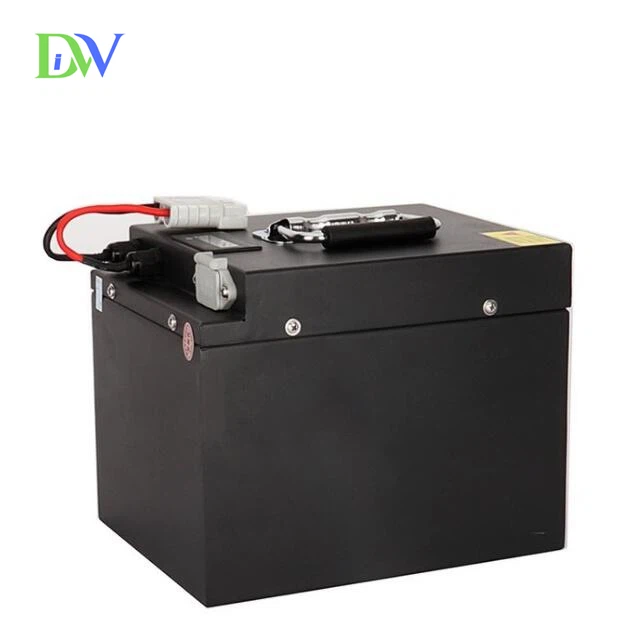
In conclusion, there are indeed significant noise - reduction benefits of using a golf cart lithium battery. The lower internal resistance, stable chemical reactions, and compatibility with quiet motors make lithium batteries a superior choice for those looking for a quiet and efficient power source for their golf carts. The real - world advantages, such as enhanced user experience, less disturbance to others, and improved safety, further highlight the value of making the switch.
If you're interested in experiencing the noise - reduction benefits and other advantages of our Golf Cart Lithium Batteries, we invite you to contact us for more information and to discuss your specific requirements. Our team of experts is ready to assist you in finding the perfect battery solution for your golf cart.
References
- Johnson, M. (2020). "Advancements in Golf Cart Battery Technology." Journal of Sustainable Transportation, 15(2), 89 - 98.
- Smith, A. (2019). "The Impact of Battery Type on Golf Cart Performance and Noise Levels." International Journal of Golf Cart Engineering, 22(3), 123 - 135.
- Williams, R. (2021). "Lithium - Ion Batteries: A Quiet Revolution in Golf Cart Power." Energy and Environment Review, 30(4), 201 - 212.