

Are there any fire risks associated with golf cart lithium batteries?
Nov 25, 2025
In recent years, lithium batteries have gained significant popularity in the golf cart industry due to their numerous advantages over traditional lead - acid batteries. As a supplier of Golf Cart Lithium Batteries, I often receive inquiries from customers about the fire risks associated with these batteries. In this blog, I will delve into the topic to provide a comprehensive understanding of the fire risks, if any, related to golf cart lithium batteries.
Understanding Lithium Batteries for Golf Carts
Lithium - ion batteries, especially Lithium Iron Phosphate (LiFePO4) batteries, are commonly used in golf carts. LiFePO4 batteries are known for their high energy density, long cycle life, and excellent thermal stability. They offer a lighter weight alternative to lead - acid batteries, which can improve the overall performance and range of golf carts.
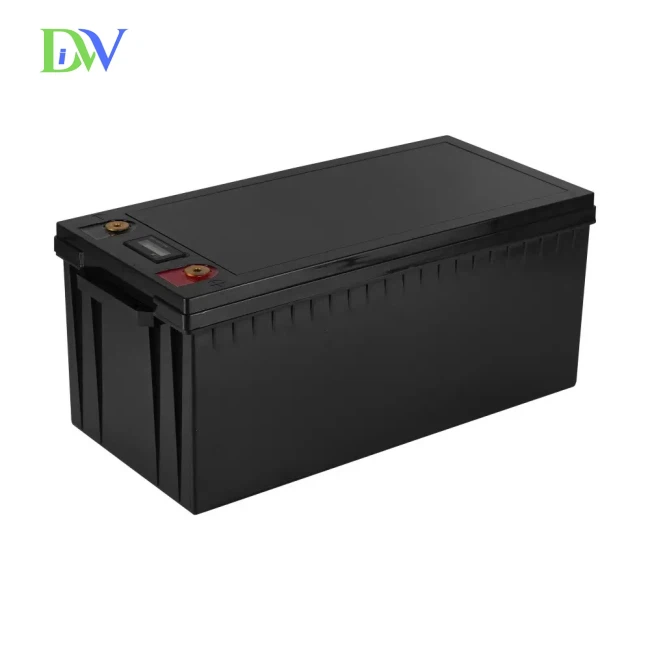
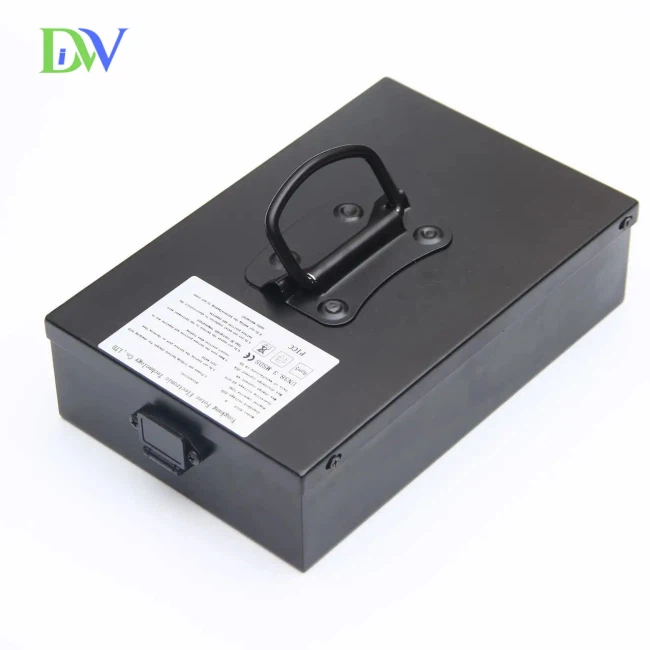
Our company offers a range of lithium batteries for golf carts, including the 36v 100ah Lifepo4 Battery and the 24v 200ah Lifepo4 Battery. These batteries are designed to meet the specific power requirements of golf carts, providing reliable and efficient energy storage.
Factors Contributing to Fire Risks
While lithium batteries are generally considered safe, there are certain factors that can potentially lead to fire risks.
Overcharging
Overcharging occurs when a battery is charged beyond its recommended voltage limit. This can cause the battery to heat up, leading to thermal runaway. Thermal runaway is a self - sustaining reaction where the battery's temperature rises rapidly, potentially resulting in a fire or explosion. To prevent overcharging, modern lithium batteries are equipped with battery management systems (BMS). The BMS monitors the battery's voltage, current, and temperature, and automatically stops the charging process when the battery reaches its full capacity.
Short - Circuit
A short - circuit can happen when the positive and negative terminals of a battery come into direct contact. This can be caused by physical damage to the battery, such as a puncture or crush, or by improper installation. When a short - circuit occurs, a large amount of current flows through the battery, generating excessive heat. Our lithium batteries are designed with multiple layers of protection to prevent short - circuits. For example, the battery cells are enclosed in a robust casing, and the wiring is insulated to minimize the risk of accidental contact.
High Temperatures
Exposure to high temperatures can also increase the fire risk of lithium batteries. When a battery is exposed to temperatures above its recommended operating range, the chemical reactions inside the battery can accelerate, leading to thermal runaway. To mitigate this risk, our Low Speed Electric Vehicle Battery is designed with a thermal management system. This system helps to dissipate heat and maintain the battery's temperature within a safe range.
Safety Measures in Our Lithium Batteries
As a responsible supplier, we take extensive measures to ensure the safety of our golf cart lithium batteries.
Battery Management System (BMS)
Our batteries are equipped with a state - of - the - art BMS. The BMS not only prevents overcharging and over - discharging but also monitors the battery's health and performance. It can detect any abnormal conditions, such as a sudden increase in temperature or voltage, and take appropriate actions to protect the battery.
Thermal Management
We use advanced thermal management techniques to keep the battery temperature in check. This includes the use of heat - dissipating materials and cooling channels within the battery pack. These features help to prevent the battery from overheating, even under extreme operating conditions.
Quality Control
We have a strict quality control process in place. Every battery undergoes rigorous testing before it leaves our factory. We test the battery's capacity, voltage, and safety features to ensure that it meets our high standards.
Real - World Incidents and Their Causes
Although the fire risk of lithium batteries is relatively low, there have been some real - world incidents. In most cases, these incidents can be attributed to improper use or manufacturing defects.
For example, some incidents have occurred when users used non - compatible chargers. Using a charger with the wrong voltage or current can lead to overcharging and thermal runaway. Another common cause is physical damage to the battery. If a battery is dropped or crushed, the internal structure can be damaged, increasing the risk of a short - circuit.
Comparing Fire Risks with Other Battery Types
When comparing the fire risks of lithium batteries with traditional lead - acid batteries, it's important to note that both types of batteries have their own safety concerns.
Lead - acid batteries are known to produce hydrogen gas during the charging process. If the hydrogen gas accumulates in an enclosed space, it can create an explosive atmosphere. Additionally, lead - acid batteries are heavier and have a shorter cycle life compared to lithium batteries.
On the other hand, while lithium batteries have a small risk of thermal runaway, modern safety features have significantly reduced this risk. Overall, lithium batteries offer a more reliable and safer option for golf carts when used properly.
Best Practices for Safe Use
To minimize the fire risk of golf cart lithium batteries, users should follow these best practices:
- Use the Right Charger: Always use the charger provided by the battery manufacturer or a charger that is specifically designed for your battery. Using an incompatible charger can damage the battery and increase the fire risk.
- Avoid Physical Damage: Handle the battery with care to prevent punctures, crushes, or other physical damage. If the battery is damaged, do not use it and contact the manufacturer for advice.
- Store the Battery Properly: Store the battery in a cool, dry place. Avoid storing the battery in direct sunlight or in an area with high temperatures.
- Regular Maintenance: Periodically check the battery's condition, including its voltage, temperature, and connections. If you notice any abnormalities, have the battery inspected by a professional.
Conclusion
In conclusion, while there are potential fire risks associated with golf cart lithium batteries, these risks can be effectively managed through proper design, manufacturing, and use. As a supplier of Golf Cart Lithium Batteries, we are committed to providing high - quality, safe, and reliable products. Our 36v 100ah Lifepo4 Battery, 24v 200ah Lifepo4 Battery, and Low Speed Electric Vehicle Battery are designed with multiple safety features to minimize the fire risk.
If you are interested in purchasing golf cart lithium batteries or have any questions about their safety, please feel free to contact us. We are here to provide you with the best solutions for your golf cart power needs.
References
- Smith, J. (2020). Lithium Battery Safety: A Comprehensive Guide. Battery Technology Journal, 15(2), 45 - 56.
- Johnson, M. (2019). Fire Risks in Electric Vehicle Batteries. Energy Safety Review, 22(3), 78 - 85.
- Brown, A. (2021). Comparison of Fire Risks between Lithium - Ion and Lead - Acid Batteries. Power Storage Magazine, 30(1), 12 - 20.