

Are there any environmental impacts of Lithium Ion Ups Batteries?
Aug 18, 2025
Hey there! As a supplier of Lithium Ion UPS Batteries, I often get asked about the environmental impacts of these powerhouses. So, I thought I'd sit down and have a good chat about it.
Let's start with the basics. Lithium Ion UPS Batteries are everywhere these days. They're in our homes, offices, hospitals, and even in some of our favorite gadgets. They're reliable, long - lasting, and can provide a stable power supply when the grid goes down. But like any technology, they're not without their environmental implications.
Mining and Extraction
One of the first steps in the life cycle of a Lithium Ion UPS Battery is the mining of its raw materials. Lithium, cobalt, nickel, and other metals are essential components of these batteries. The mining process can be quite resource - intensive and have a significant impact on the environment.
Lithium mining, for example, often involves extracting lithium from brine deposits or hard rock mines. In the case of brine extraction, large amounts of water are pumped from underground aquifers. This can lead to water scarcity in the surrounding areas, affecting local ecosystems and communities. Moreover, the chemicals used in the extraction process can contaminate soil and water sources, posing a threat to wildlife and human health.

Cobalt mining also has its share of problems. A large portion of the world's cobalt comes from the Democratic Republic of Congo, where mining operations are often associated with child labor, poor working conditions, and environmental degradation. The extraction of cobalt can cause soil erosion, deforestation, and water pollution.
However, the industry is aware of these issues and is taking steps to address them. Many battery manufacturers are now looking for more sustainable sources of raw materials. Some are investing in research to develop new battery chemistries that use less - scarce or more environmentally friendly materials. For instance, there's a growing interest in lithium - iron - phosphate (LFP) batteries, which use less cobalt compared to traditional lithium - ion batteries.
Manufacturing
The manufacturing process of Lithium Ion UPS Batteries is another area where environmental impacts occur. The production involves high - energy consumption, mainly due to the need for precise temperature and humidity control during the assembly of battery cells. This energy often comes from non - renewable sources, such as coal - fired power plants, which contribute to greenhouse gas emissions.
In addition, the manufacturing process generates waste, including chemical by - products and discarded battery components. If not properly managed, these wastes can be hazardous to the environment. For example, some of the chemicals used in battery production, such as solvents and electrolytes, can be toxic if released into the environment.
But again, the industry is making efforts to improve. Battery manufacturers are implementing cleaner production technologies, such as using renewable energy sources in their factories. They're also working on reducing waste generation through better recycling and reuse of materials.
Use Phase
During the use phase, Lithium Ion UPS Batteries generally have a lower environmental impact compared to other types of batteries. They have a high energy density, which means they can store more energy in a smaller and lighter package. This results in less energy being wasted during transportation and installation.
Moreover, Lithium Ion UPS Batteries have a long lifespan, which reduces the frequency of battery replacements. This, in turn, cuts down on the amount of waste generated. They also have a high charge - discharge efficiency, meaning they can convert a large proportion of the stored energy into usable power, further reducing energy waste.
End - of - Life
The end - of - life of Lithium Ion UPS Batteries is a critical stage in terms of environmental impact. If these batteries are not properly disposed of, they can pose a significant threat to the environment. The heavy metals and chemicals in the batteries can leach into the soil and water, contaminating the environment and potentially harming human health.
However, recycling Lithium Ion UPS Batteries can significantly reduce these impacts. Recycling allows for the recovery of valuable metals, such as lithium, cobalt, and nickel, which can be reused in the production of new batteries. This not only conserves natural resources but also reduces the need for mining.
But the recycling process is not without its challenges. It requires specialized facilities and technologies to safely and effectively extract the valuable materials from the batteries. Currently, the recycling rate of Lithium Ion UPS Batteries is relatively low, but governments and industries are working to improve this situation. Some countries have introduced regulations to encourage battery recycling, and companies are investing in research to develop more efficient recycling methods.
Our Role as a Supplier
As a supplier of Lithium Ion UPS Batteries, we play an important role in minimizing the environmental impacts of our products. We're committed to working with manufacturers who follow sustainable practices in mining, manufacturing, and recycling.
We also educate our customers about the proper disposal and recycling of our batteries. We provide information on local recycling facilities and encourage our customers to take advantage of these services.
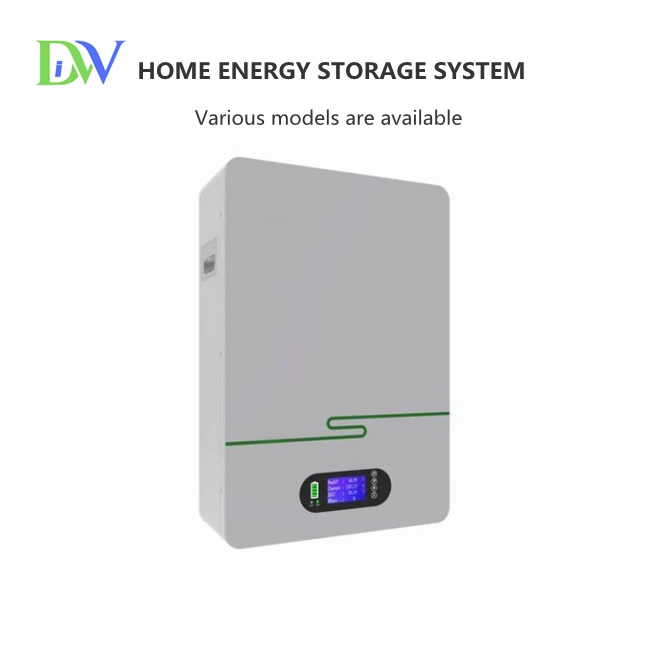
In addition, we offer a range of products that are designed with the environment in mind. For example, our Portable Storage Battery is not only convenient but also uses advanced battery technology to reduce its environmental footprint. Our Hospital Bed Battery Backup is engineered for high efficiency and long - lasting performance, which means fewer battery replacements and less waste. And our Home Energy Storage Battery can help households store renewable energy, reducing their reliance on the grid and lowering their carbon emissions.
Conclusion
So, are there any environmental impacts of Lithium Ion UPS Batteries? The answer is yes, but it's not all doom and gloom. While there are challenges in the mining, manufacturing, and end - of - life stages, the industry is making significant progress in addressing these issues.
As a supplier, we're doing our part to ensure that our products have as little environmental impact as possible. And as consumers, you can also play a role by choosing sustainable products, properly disposing of your batteries, and supporting recycling initiatives.
If you're interested in learning more about our Lithium Ion UPS Batteries or have any questions about their environmental impact, feel free to reach out. We're always happy to have a chat and help you make an informed decision. Let's work together to create a more sustainable future!
References
- Dunn, B., Kamath, H., & Tarascon, J. M. (2011). Electrical energy storage for the grid: A battery of choices. Science, 334(6058), 928 - 935.
- Gallagher, K. G., & Buonocore, J. J. (2017). The environmental impacts of lithium - ion batteries and the role of key parameters - A review. Journal of Power Sources, 359, 252 - 268.
- International Renewable Energy Agency. (2020). Recycling of Lithium - ion Batteries for Electric Vehicles.