

Are forklift lithium batteries more powerful than lead - acid batteries?
Aug 26, 2025
As a leading supplier of forklift lithium batteries, I often encounter a question from customers: Are forklift lithium batteries more powerful than lead - acid batteries? Today, I'd like to delve into this topic and share some in - depth insights.
Energy Density
One of the most significant differences between forklift lithium batteries and lead - acid batteries lies in their energy density. Energy density refers to the amount of energy stored in a given volume or mass. Lithium batteries, especially LiFePO4 (Lithium Iron Phosphate) batteries, have a much higher energy density compared to lead - acid batteries.
For instance, a 48v 200ah Lifepo4 Battery can store a large amount of energy in a relatively small and lightweight package. This high energy density allows forklifts equipped with lithium batteries to operate for longer periods without the need for frequent recharging. In contrast, lead - acid batteries are bulkier and heavier for the same amount of stored energy. A forklift powered by a lead - acid battery may need to be taken out of service more often for recharging, which can reduce overall productivity.
Charge and Discharge Efficiency
Lithium batteries also outperform lead - acid batteries in terms of charge and discharge efficiency. When charging a lithium battery, a higher percentage of the electrical energy supplied is actually stored in the battery. This means less energy is wasted as heat during the charging process. The charge efficiency of lithium batteries can be as high as 95% or more, while lead - acid batteries typically have a charge efficiency of around 80 - 85%.
During discharge, lithium batteries can provide a more stable voltage output. This stable voltage ensures that the forklift's motor and other electrical components receive a consistent power supply, resulting in smoother operation. Lead - acid batteries, on the other hand, experience a more significant voltage drop as they discharge, which can lead to reduced performance of the forklift over time.
Cycle Life
Cycle life is another crucial factor when comparing the two types of batteries. A cycle is defined as one complete charge and discharge of the battery. Lithium batteries, particularly LiFePO4 Deep Cycle Battery, have a much longer cycle life than lead - acid batteries.
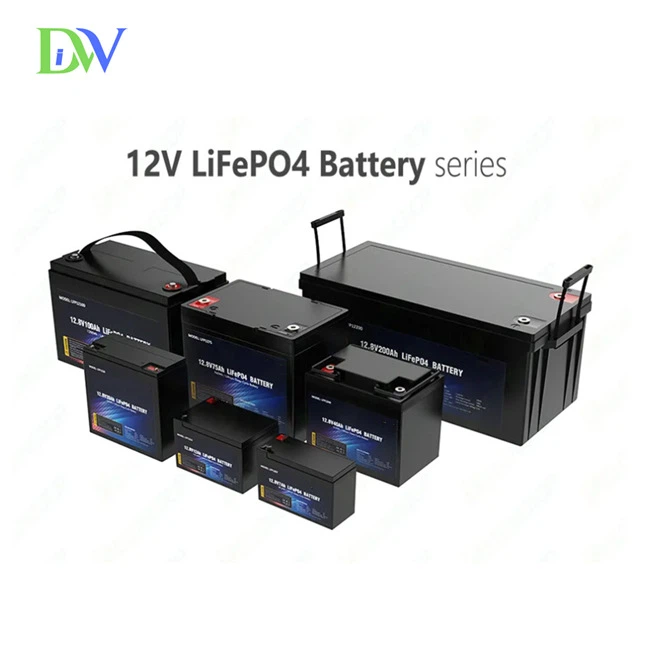

A high - quality LiFePO4 battery can withstand 2000 - 5000 charge - discharge cycles, depending on the usage conditions. In contrast, lead - acid batteries usually have a cycle life of around 500 - 1000 cycles. This means that a forklift with a lithium battery will not need its battery replaced as often as one with a lead - acid battery. Over the long term, this can result in significant cost savings for the forklift operator, as they won't have to purchase new batteries as frequently.
Maintenance Requirements
Maintenance is a major consideration for forklift battery users. Lead - acid batteries require regular maintenance, such as checking the electrolyte levels, adding distilled water, and equalizing charges. If these maintenance tasks are not performed correctly, the performance and lifespan of the lead - acid battery can be severely affected.
Lithium batteries, on the other hand, are virtually maintenance - free. They do not require checking of electrolyte levels or adding water. This not only saves time and labor but also reduces the risk of human error in battery maintenance. Forklift operators can focus more on their work rather than spending time on battery upkeep.
Environmental Impact
In today's environmentally - conscious world, the environmental impact of batteries is an important aspect. Lead - acid batteries contain lead and sulfuric acid, which are hazardous materials. Improper disposal of lead - acid batteries can lead to soil and water pollution. Recycling lead - acid batteries also requires specialized facilities and processes to ensure the safe handling of these toxic substances.
Lithium batteries, especially LiFePO4 batteries, are more environmentally friendly. They do not contain heavy metals like lead or toxic chemicals like sulfuric acid. Additionally, lithium batteries can be recycled more easily, and the recycling process is less harmful to the environment.
Cold - Weather Performance
Cold weather can have a significant impact on battery performance. Lead - acid batteries suffer from a decrease in capacity and charge acceptance at low temperatures. In cold environments, the chemical reactions inside lead - acid batteries slow down, which can lead to reduced power output and longer charging times.
Lithium batteries, however, have better cold - weather performance. They can maintain a relatively high capacity and charge acceptance even in cold conditions. For forklifts operating in cold storage facilities or outdoor environments during winter, a lithium battery can provide more reliable performance.
Cost Considerations
It's true that the upfront cost of a forklift lithium battery is generally higher than that of a lead - acid battery. However, when considering the total cost of ownership, lithium batteries often prove to be more cost - effective. As mentioned earlier, their longer cycle life means fewer battery replacements over time. Their higher charge and discharge efficiency also result in lower energy consumption, which can lead to savings on electricity bills. Additionally, the reduced maintenance requirements save on labor and maintenance costs.
Application - Specific Advantages
In some applications, the advantages of lithium batteries are even more pronounced. For example, in high - throughput warehouses where forklifts are in continuous operation, the longer run time and shorter charging times of lithium batteries can significantly increase productivity. Forklifts used in automated guided vehicle (AGV) systems also benefit from the stable voltage output and high - efficiency charging of lithium batteries.
In conclusion, forklift lithium batteries are indeed more powerful than lead - acid batteries in many aspects. Their higher energy density, better charge and discharge efficiency, longer cycle life, lower maintenance requirements, and superior environmental friendliness make them a superior choice for modern forklift operations.
If you're in the market for a forklift battery and want to experience the benefits of lithium technology, we invite you to reach out to us. We offer a wide range of high - quality forklift lithium batteries, including 12v Lithium Battery Pack. Our team of experts is ready to assist you in selecting the right battery for your specific needs. Contact us today to start a procurement discussion and take your forklift operations to the next level.
References
- Linden, D., & Reddy, T. B. (2002). Handbook of Batteries. McGraw - Hill.
- Vetter, J., Novák, P., Wagner, M. R., Veit, C., Möller, K. C., & Besenhard, J. O. (2005). Ageing mechanisms in lithium - ion batteries. Journal of Power Sources, 147(1 - 2), 269 - 281.
- Rand, D. A. J., Garche, J., & Moseley, P. T. (2004). Valve - Regulated Lead - Acid Batteries. Elsevier.