

Are Ebike Lithium Batteries safe?
Aug 15, 2025
As a supplier of Ebike Lithium Batteries, I've encountered numerous inquiries regarding the safety of these power sources. It's a topic that understandably concerns many potential buyers, as the safety of any battery system is of utmost importance, especially when it comes to personal transportation. In this blog post, I'll delve into the safety aspects of Ebike Lithium Batteries, addressing common concerns and providing insights based on scientific knowledge and industry experience.
Understanding Lithium Batteries
Lithium batteries have become the go-to choice for electric bikes (ebikes) due to their high energy density, long lifespan, and relatively lightweight. These batteries use lithium ions to store and release electrical energy, making them more efficient than traditional lead-acid batteries. However, the same properties that make lithium batteries so appealing also raise questions about their safety.
One of the main concerns associated with lithium batteries is the risk of thermal runaway. Thermal runaway occurs when a battery overheats, causing a chain reaction that can lead to a fire or explosion. This can happen if the battery is overcharged, short-circuited, or physically damaged. While thermal runaway is a serious concern, it's important to note that modern lithium batteries are designed with multiple safety features to prevent this from happening.
Safety Features of Ebike Lithium Batteries
Most Ebike Lithium Batteries are equipped with a battery management system (BMS). The BMS is a crucial component that monitors and controls the charging and discharging process of the battery. It ensures that the battery operates within safe voltage and temperature ranges, preventing overcharging, over-discharging, and short-circuiting. Additionally, the BMS can detect any abnormal conditions and automatically shut down the battery to prevent further damage.
Another safety feature commonly found in Ebike Lithium Batteries is a thermal protection system. This system uses sensors to monitor the temperature of the battery and activates a cooling mechanism if the temperature exceeds a safe level. Some batteries also have a built-in fuse or circuit breaker that will disconnect the battery in the event of a short circuit or excessive current flow.
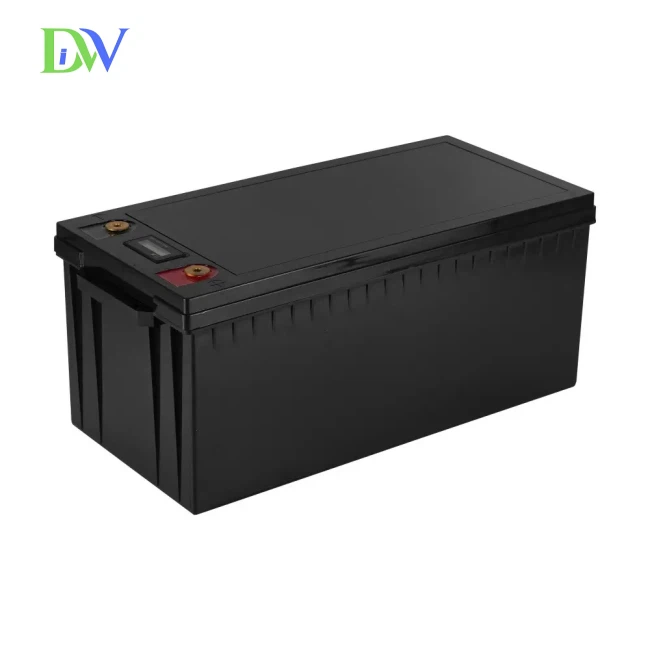

In addition to these built-in safety features, reputable Ebike Lithium Battery manufacturers also conduct rigorous testing to ensure the safety and reliability of their products. These tests include overcharge, over-discharge, short-circuit, and thermal abuse tests, among others. By subjecting their batteries to these tests, manufacturers can identify and address any potential safety issues before the batteries are released to the market.
Industry Standards and Regulations
The safety of Ebike Lithium Batteries is also regulated by various industry standards and regulations. For example, the International Electrotechnical Commission (IEC) has developed a set of standards for lithium batteries, including IEC 62133, which specifies the safety requirements for portable lithium batteries and battery packs. In addition, many countries have their own regulations regarding the use and transportation of lithium batteries.
As a supplier, I ensure that all of our Ebike Lithium Batteries comply with these industry standards and regulations. This not only ensures the safety of our products but also gives our customers peace of mind knowing that they are using a reliable and safe power source for their ebikes.
Common Misconceptions about Ebike Lithium Battery Safety
Despite the numerous safety features and regulations in place, there are still some common misconceptions about the safety of Ebike Lithium Batteries. One of the most common misconceptions is that all lithium batteries are prone to catching fire or exploding. While it's true that there have been some high-profile cases of lithium battery fires, these incidents are relatively rare and are often the result of improper use or handling of the battery.
Another misconception is that lithium batteries are more dangerous than other types of batteries. In fact, when used and maintained properly, Ebike Lithium Batteries are just as safe, if not safer, than traditional lead-acid batteries. Lead-acid batteries, for example, can release toxic gases and acid if they are overcharged or damaged, which can pose a serious health risk.
Tips for Safe Use of Ebike Lithium Batteries
To ensure the safety of your Ebike Lithium Battery, it's important to follow some basic guidelines for proper use and maintenance. Here are some tips to keep in mind:
- Use the Right Charger: Always use the charger that is specifically designed for your battery. Using an incompatible charger can damage the battery and increase the risk of a fire or explosion.
- Avoid Overcharging: Overcharging can cause the battery to overheat and increase the risk of thermal runaway. Make sure to follow the manufacturer's instructions regarding charging time and avoid leaving the battery on the charger for extended periods of time.
- Store the Battery Properly: When not in use, store the battery in a cool, dry place. Avoid exposing the battery to extreme temperatures or direct sunlight, as this can damage the battery and reduce its lifespan.
- Inspect the Battery Regularly: Check the battery for any signs of damage, such as cracks, bulges, or leaks. If you notice any damage, stop using the battery immediately and contact the manufacturer for further instructions.
- Handle the Battery with Care: Avoid dropping, crushing, or puncturing the battery, as this can cause internal damage and increase the risk of a fire or explosion.
Our Commitment to Safety
As a supplier of Ebike Lithium Batteries, safety is our top priority. We only source our batteries from reputable manufacturers who adhere to strict quality and safety standards. In addition, we conduct our own quality control checks to ensure that all of our batteries meet or exceed these standards.
We also provide our customers with detailed instructions on how to use and maintain their Ebike Lithium Batteries safely. Our customer support team is always available to answer any questions or concerns that our customers may have regarding the safety of our products.
Conclusion
In conclusion, Ebike Lithium Batteries are generally safe when used and maintained properly. Modern lithium batteries are equipped with multiple safety features, and the industry is regulated by strict standards and regulations to ensure the safety of these products. While there are some risks associated with lithium batteries, these risks can be minimized by following the basic guidelines for proper use and maintenance.
If you're in the market for an Ebike Lithium Battery, I encourage you to do your research and choose a reputable supplier. Look for batteries that are certified to meet industry standards and come with a warranty. And if you have any questions or concerns about the safety of our Ebike Lithium Batteries, please don't hesitate to [contact us for a purchase consultation].
We also offer a range of other high-quality battery products, such as Lithium Car Starting Battery, Lifepo4 Power Battery, and 12v 50ah Lifepo4 Battery. These batteries are designed to provide reliable and efficient power for a variety of applications.
References
- International Electrotechnical Commission (IEC). (2017). IEC 62133: Safety requirements for portable lithium secondary cells and batteries for use in portable electronic equipment.
- U.S. Department of Transportation. (2023). Hazardous Materials Regulations (HMR) for Lithium Batteries.
- Battery University. (2023). Lithium-ion Battery Safety.