What are the differences and application scenarios between power lithium batteries and energy storage lithium batteries?
Jul 28, 2023
The main difference between power lithium batteries and energy storage lithium batteries is their different designs and uses.
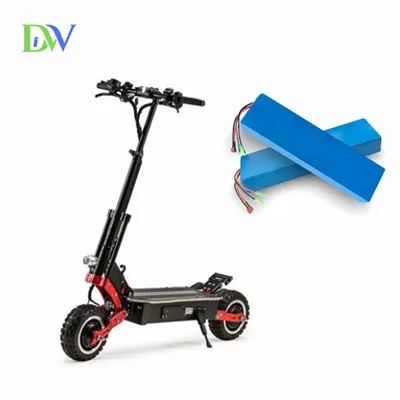
Power lithium batteries are generally used to provide high power output, such as electric vehicles, hybrid vehicles, etc. This type of battery needs to have characteristics such as high energy density, high discharge rate, and long life to accommodate intensive charge-discharge cycles.
Energy storage lithium batteries are used for long-term energy storage, such as solar power generation systems, wind power generation systems, etc. This type of battery requires higher energy density and lower cost to meet the needs of energy storage systems, and generally needs to have a long life and low self-discharge rate.
Therefore, although both types of lithium batteries use lithium ions as electrolytes, their design and performance indicators are different to suit different application scenarios.
Power lithium batteries are generally used in scenarios that require high power output, such as:
1. Driving energy for vehicles such as electric vehicles and hybrid vehicles;
2. The power source of portable equipment such as electric tools and drones.
Energy storage lithium batteries are used in scenarios that require long-term energy storage, such as:
1. Energy storage equipment for distributed energy systems such as solar photovoltaic power generation systems and wind power generation systems;
2. Energy storage equipment in industrial and civil fields such as power grid peak-shaving energy storage, emergency backup power supply, etc.
In addition, with the continuous advancement of technology and the continuous expansion of application scenarios, power lithium batteries have also begun to be used in some low-power scenarios, such as smart homes, Internet of Things and other fields, and energy storage lithium batteries are also gradually expanding their applications. Scope, such as the secondary utilization of electric vehicles, the application of new materials such as graphene-enhanced lithium-ion batteries, etc.