Ternary Lithium Battery vs Lithium Iron Phosphate Battery: A Comparative Analysis
May 09, 2023
The rapid advancement of battery technologies has given rise to a wide range of lithium-ion batteries. Within this landscape, the ternary lithium battery and the lithium iron phosphate battery have emerged as two popular options. These battery variants offer unique advantages and cater to different use scenarios. To make informed decisions based on specific requirements, it is crucial to understand the key differences between these batteries. In this article, we will conduct a comprehensive analysis of the ternary lithium battery and the lithium iron phosphate battery, exploring their dissimilarities, discussing their use scenarios, and providing a detailed examination of their respective disadvantages. By acquiring a thorough understanding of these battery types, individuals can effectively select the optimal power storage solution for their applications.
I. Ternary Lithium Battery:
The ternary lithium battery, also known as a lithium nickel manganese cobalt oxide (NMC) battery, combines nickel, manganese, and cobalt in its cathode composition. This type of battery offers several advantages but also comes with specific limitations.
1. Use Scenarios:
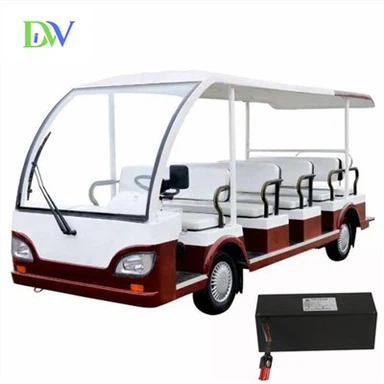
Ternary lithium batteries are commonly used in electric vehicles (EVs) and portable electronics due to their high energy density and excellent power performance. They provide a balance between capacity, voltage, and lifespan, making them suitable for applications that require a high level of energy output.
2. Disadvantages:
a) Limited Lifespan: Ternary lithium batteries tend to have a shorter lifespan compared to lithium iron phosphate batteries. The repeated charge-discharge cycles can lead to capacity degradation over time, reducing their overall durability.
b) Safety Concerns: The presence of cobalt in ternary lithium batteries makes them susceptible to thermal runaway and potential safety hazards, such as overheating and fire risks. This necessitates the implementation of stringent safety measures during their manufacturing and usage.
II. Lithium Iron Phosphate Battery:
The lithium iron phosphate (LiFePO4) battery, also known as LFP battery, utilizes an iron phosphate compound as its cathode material. This type of battery offers distinct advantages and addresses some of the limitations of ternary lithium batteries.
1. Use Scenarios:
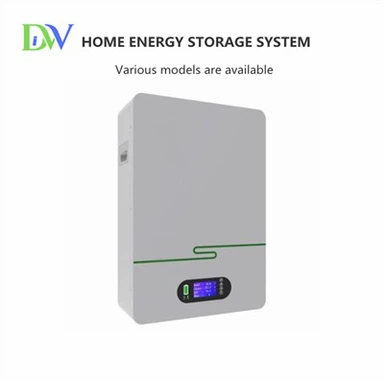
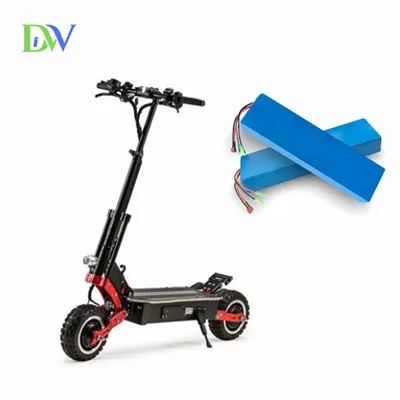
Lithium iron phosphate batteries are widely adopted in energy storage systems (ESS), solar energy storage batterys, and electric two wheeler batterys that prioritize safety and longevity over high energy density. They are preferred for applications where safety, stability, and extended lifespan are crucial factors.
2. Disadvantages:
a) Lower Energy Density: Compared to ternary lithium batteries, lithium iron phosphate batteries have a lower energy density. This means they have a lower capacity to store energy, resulting in a reduced range for electric vehicles and limited power output for portable electronics.
b) Reduced Voltage: Lithium iron phosphate batteries typically have a lower nominal voltage than ternary lithium batteries. This can affect compatibility with certain devices or require additional circuitry to achieve the desired voltage levels.
Conclusion:
In summary, the choice between ternary lithium batteries and lithium iron phosphate batteries depends on the specific requirements of the intended application. Ternary lithium batteries offer high energy density and power performance but have a limited lifespan and safety concerns. On the other hand, lithium iron phosphate batteries prioritize safety, longevity, and stability, but sacrifice some energy density and voltage. By understanding the differences and disadvantages of these battery types, one can make an informed decision based on their particular needs.