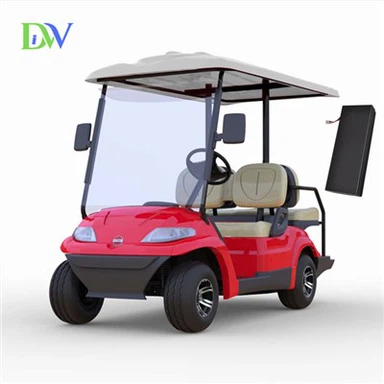
Safety Guide For Electric Vehicle Lithium Battery Replacement
Dec 22, 2025
▷ Strict Matching of Basic Parameters
(1) Voltage Consistency
The voltage of the new lithium battery must be completely consistent with the original lead-acid battery (60V). Mismatched voltage (e.g., 48V or 72V) will directly impair the vehicle's performance (sluggish acceleration, reduced maximum speed), cause line overload, and may even burn the circuit board or trigger fires-this is no trivial matter!
(2) Battery Compartment Size Adaptation
Measure the minimum available space (length × width × height) of the battery compartment when selecting a battery, not the maximum space. Forcing a larger lithium battery into the compartment will hinder heat dissipation, leading to battery deformation or damage. Never modify the frame if space is insufficient-vehicle structural safety cannot be compromised!
(3) Charger Specialization
Chargers for lead-acid batteries and lithium batteries are not interchangeable; a dedicated 60V lithium battery charger must be used. Additionally, distinguish between chargers for ternary lithium batteries and lithium iron phosphate batteries (with different voltage parameters). Incorrect use can cause overcharging, undercharging, shortened battery life, or even safety accidents-who can afford such risks?
▷ Core Safety Configuration Requirements
(1) Necessity of BMS
Lithium batteries must be equipped with a Battery Management System (BMS). This system monitors voltage, current, and temperature in real time to prevent overcharging, over-discharging, short circuits, and thermal runaway. Batteries without BMS may be damaged irreparably by a single overcharge or over-discharge, and could even burn or explode. Such batteries fail safety certifications-this is not an area to cut costs!
(2) Preferred Battery Type
Prioritize lithium iron phosphate batteries. They offer far superior thermal stability compared to ternary lithium batteries (lower risk of spontaneous combustion) and a longer lifespan (3-4 times that of lead-acid batteries), making them ideal for daily use. While ternary lithium batteries have higher energy density and faster charging speeds, they carry greater thermal runaway risks and require stricter safety management. There is no need to take unnecessary risks for marginal advantages.
▷ Procurement and Usage Specifications
(1) Brand and Quality Control
Select batteries from reputable brands or those with 3C certification. Avoid low-quality products from unlicensed workshops (prone to swelling, short range, and fire hazards). Although high-quality batteries come with a higher upfront cost, they offer better safety and longer service life, resulting in greater long-term value-this investment is well worth it!
(2) Daily Usage Details
Charging: Charge the battery regularly; do not let the power drop below 20%. Maintain 50% charge if the vehicle is unused for an extended period. Always use a compatible charger, prefer slow charging (for longer battery life), while fast charging can be used for high-intensity applications such as food delivery.
Maintenance: Regularly inspect battery connectors for oxidation. Avoid severe vibrations (fill the battery compartment with EVA foam for shock absorption). Never disassemble or modify the battery yourself-short circuits or explosions are serious risks!